From the Future of NATO to Political Polarisation: Czech Security Forum 2026 Connected Today’s Key Security Challenges
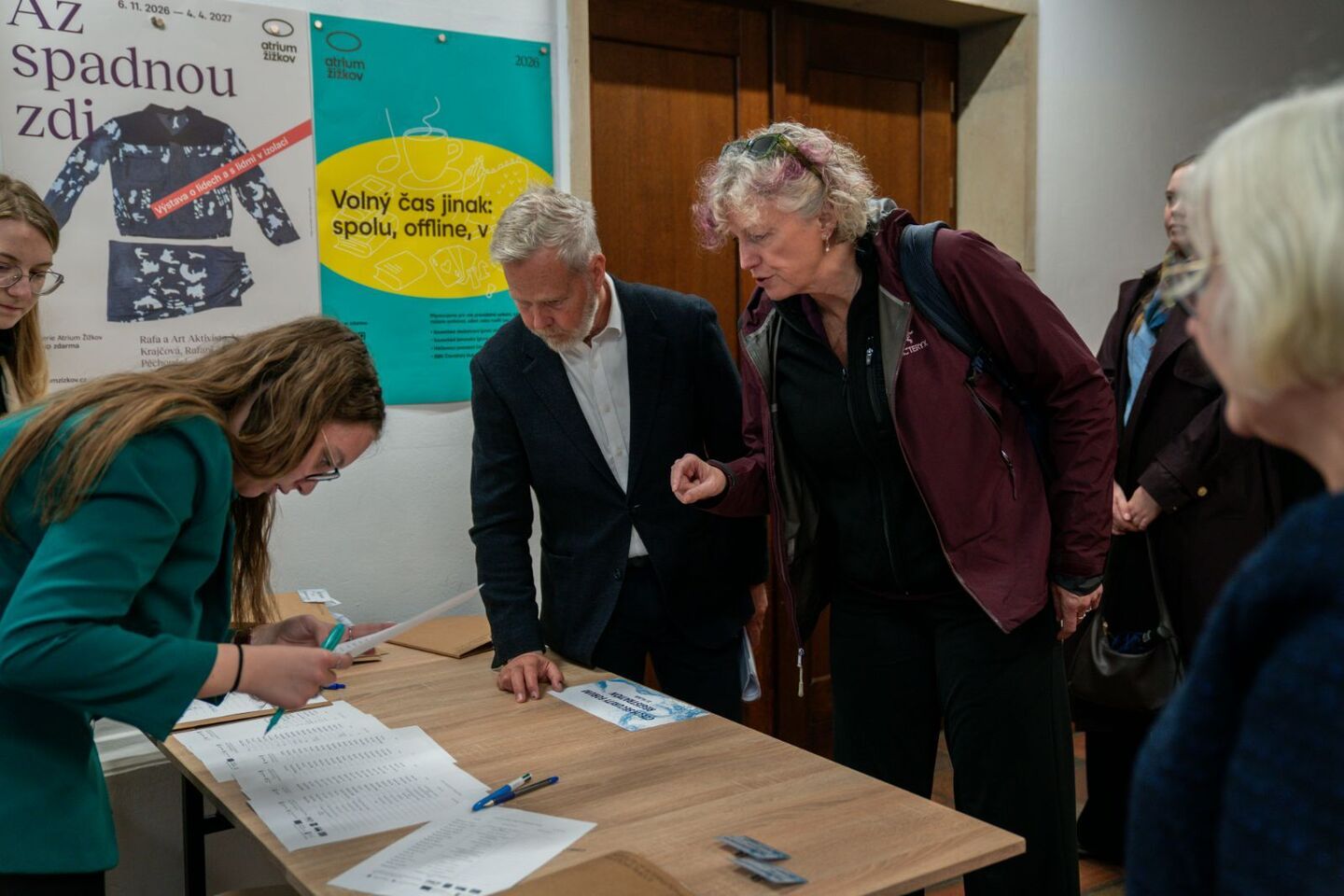
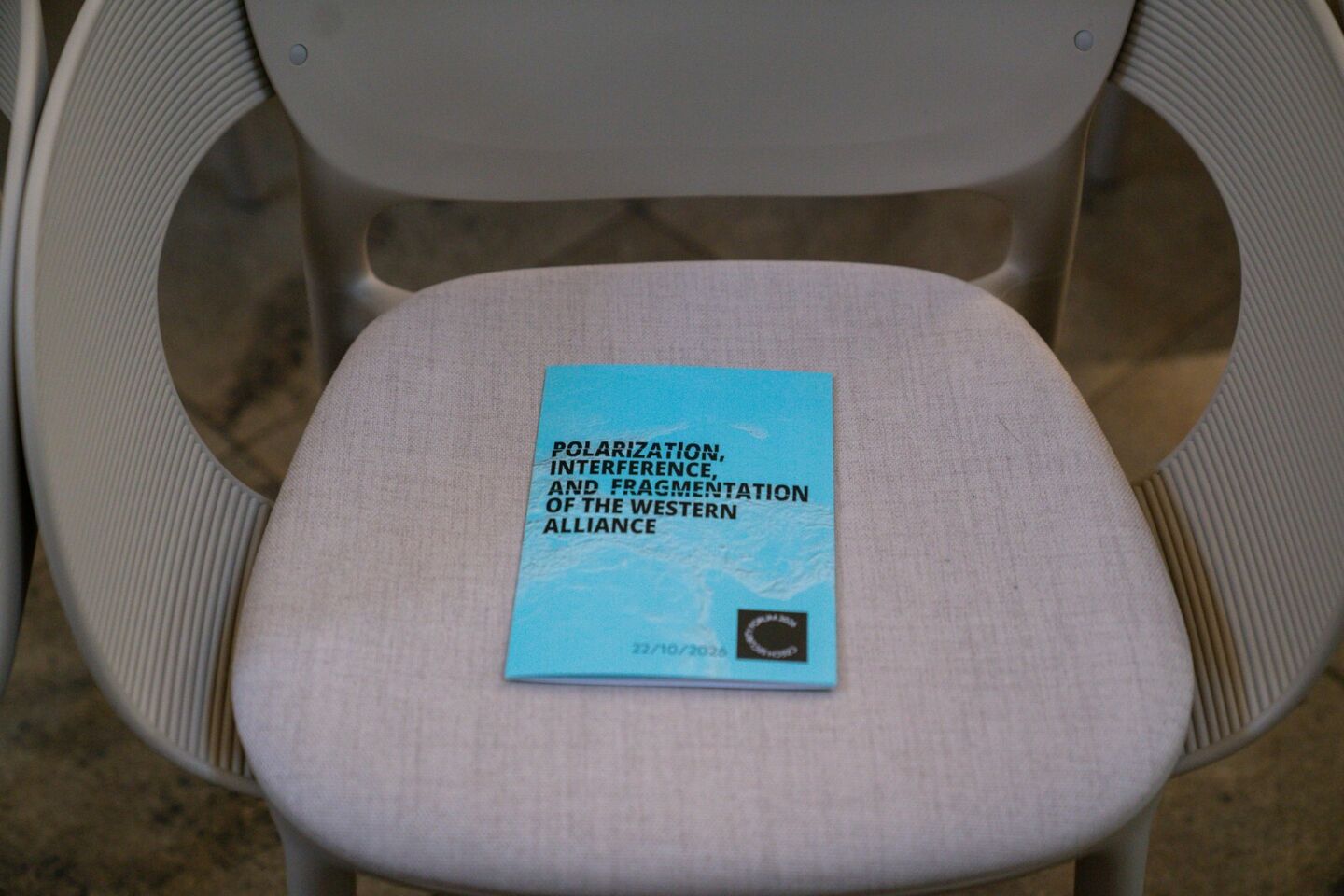
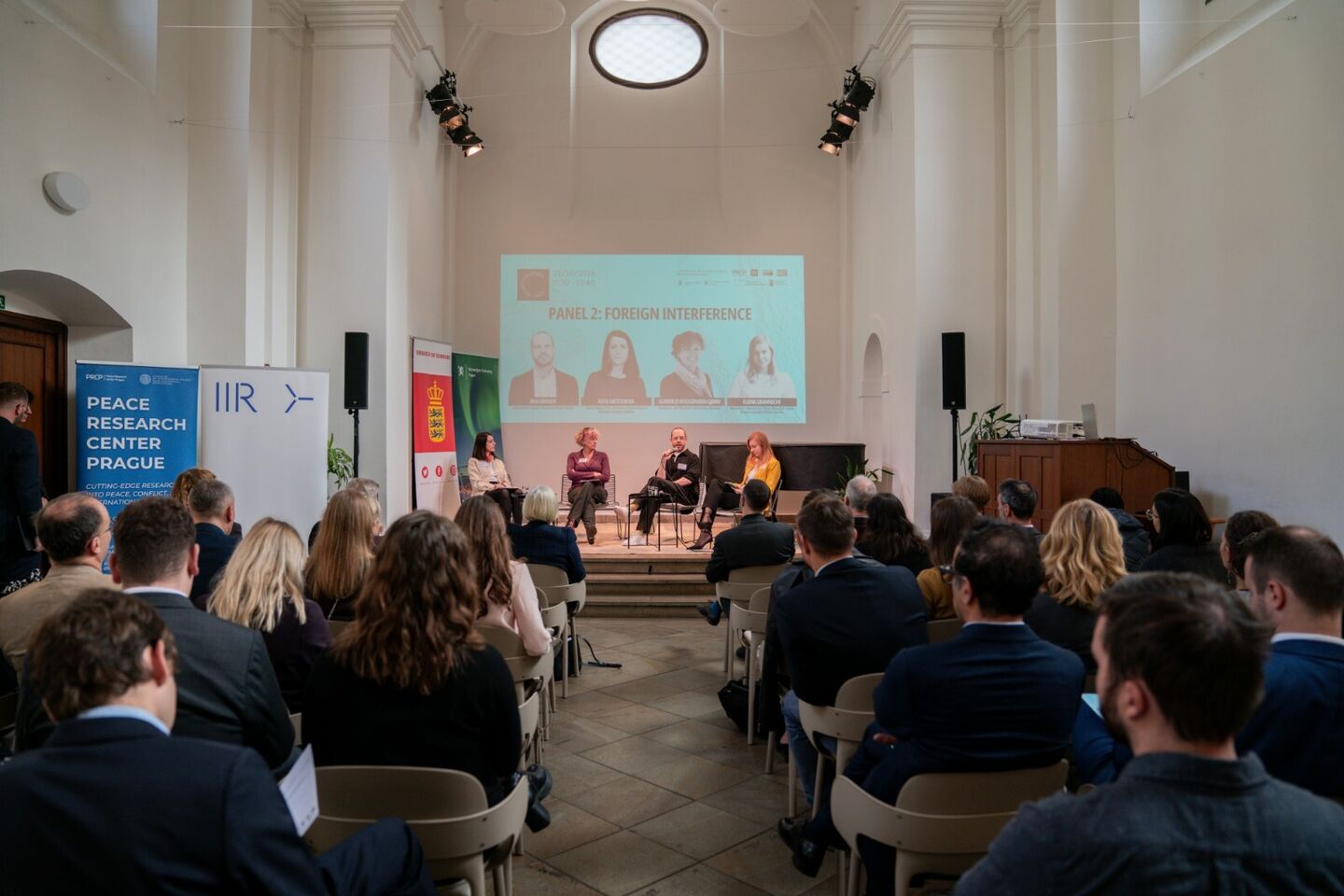
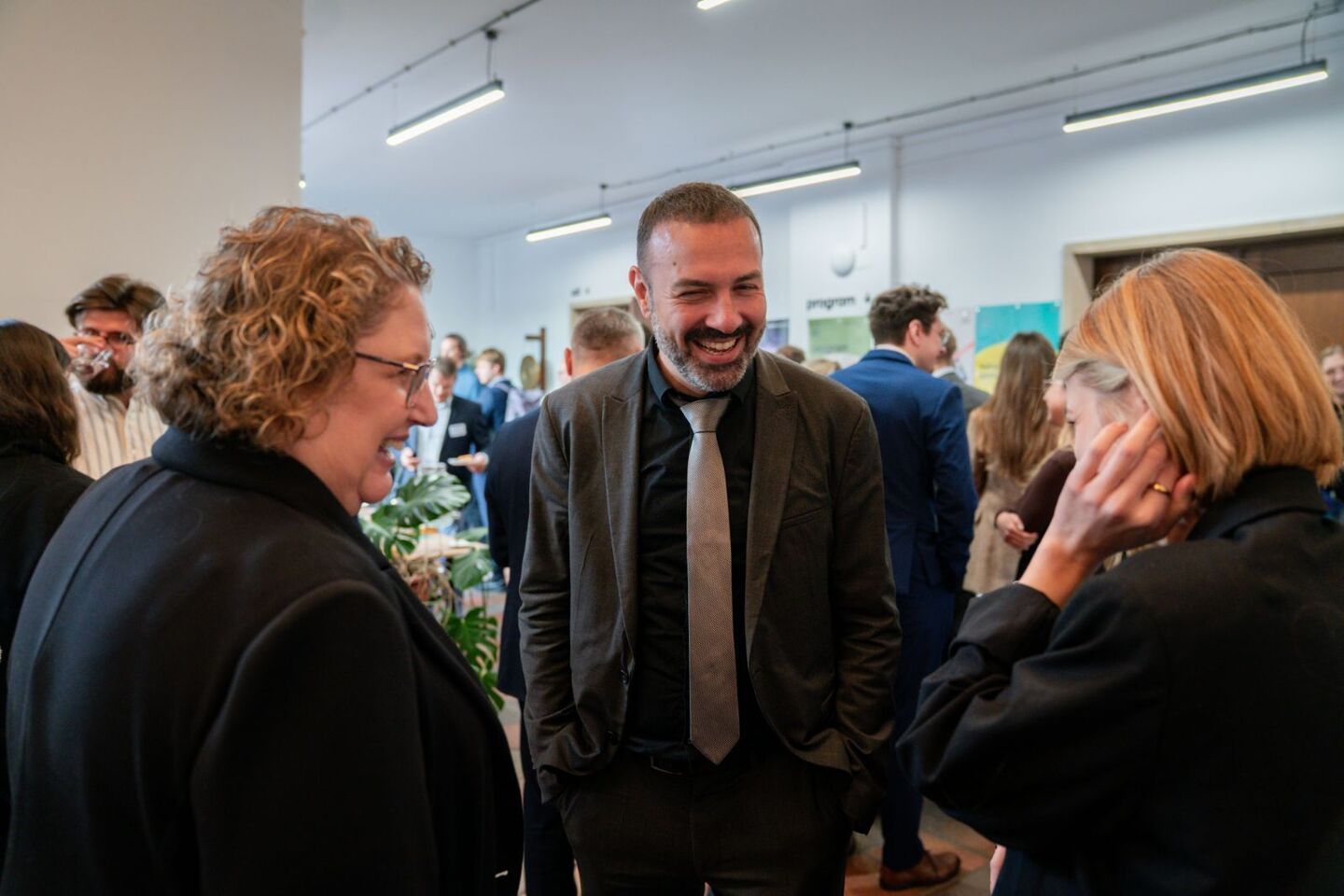
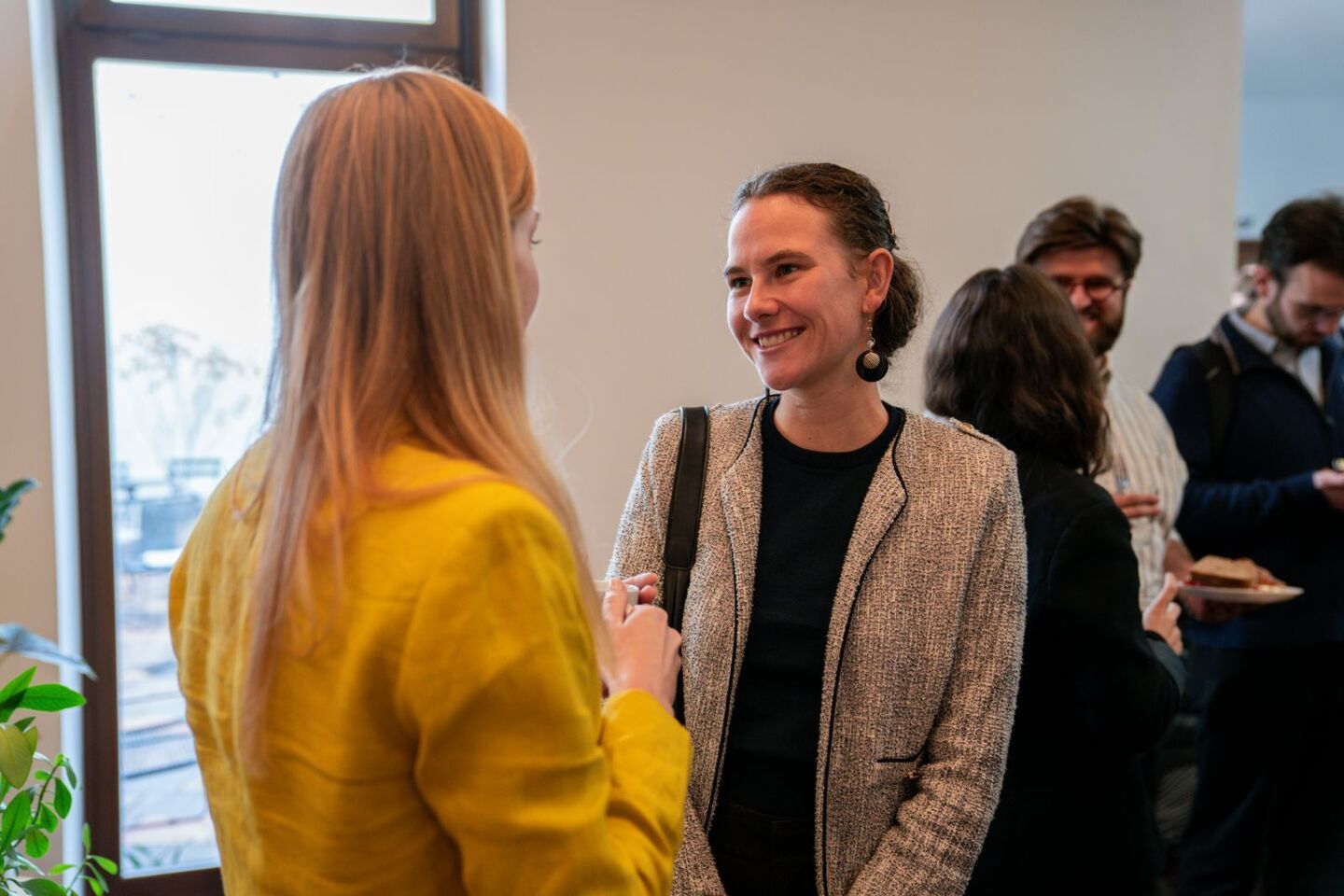
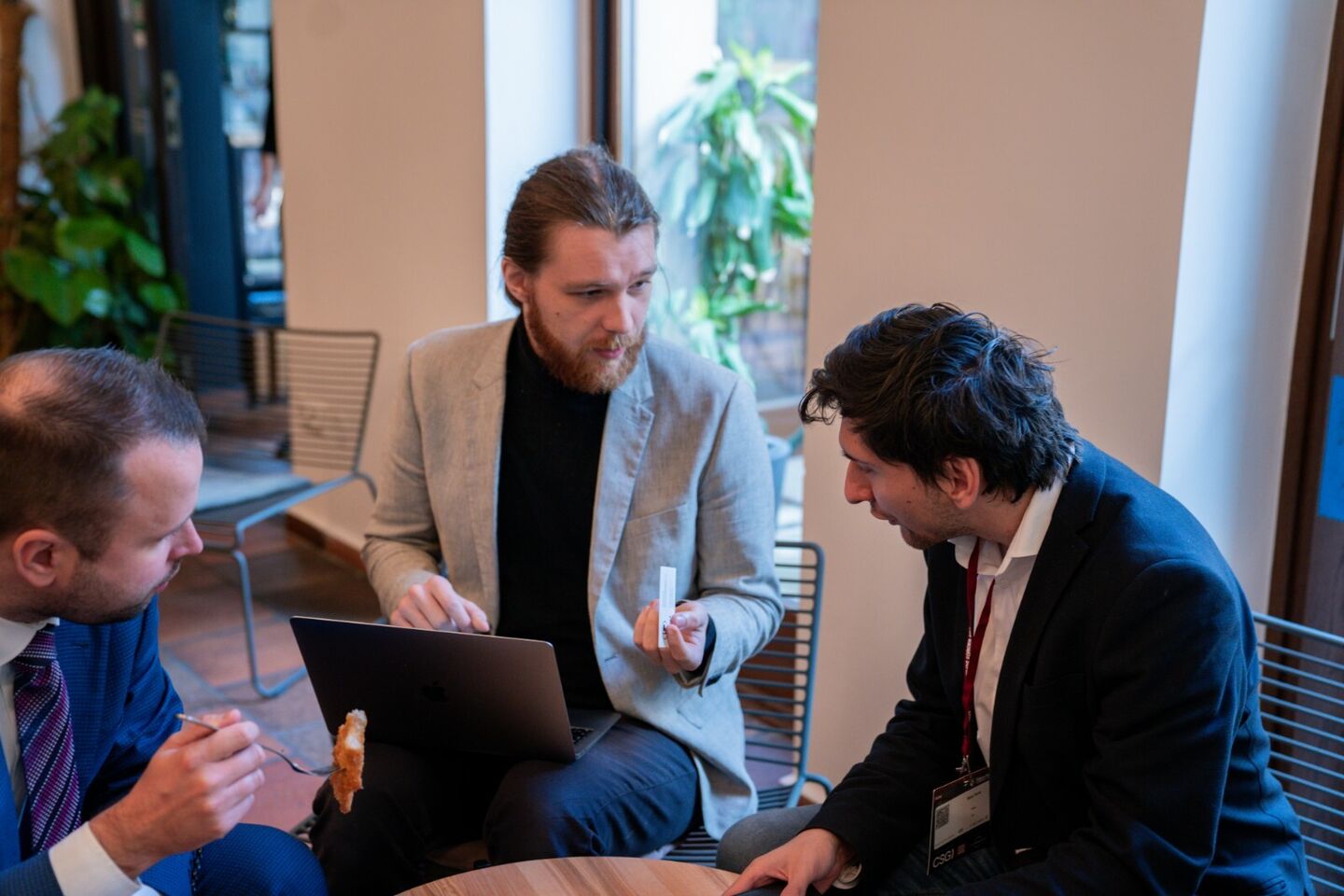
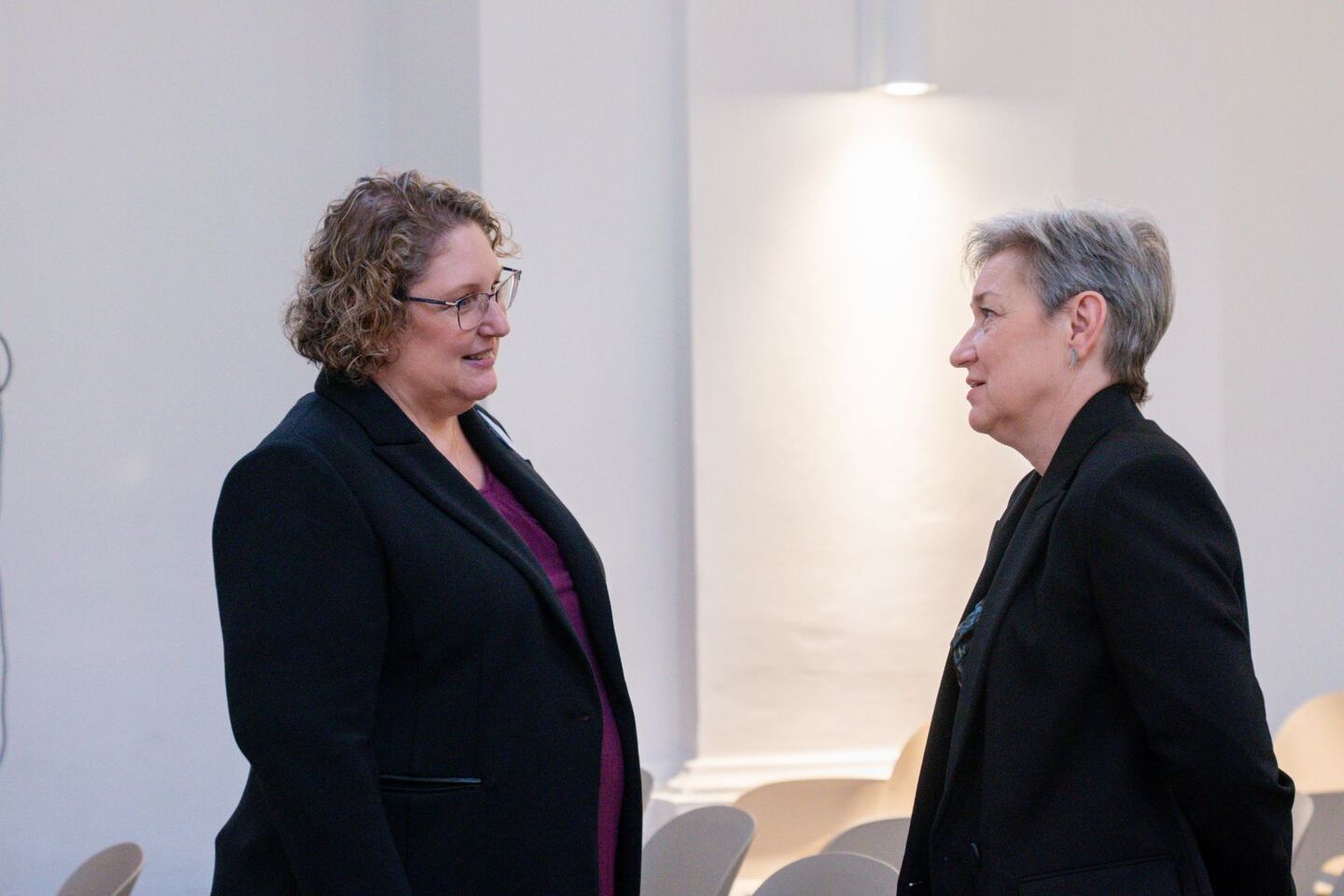
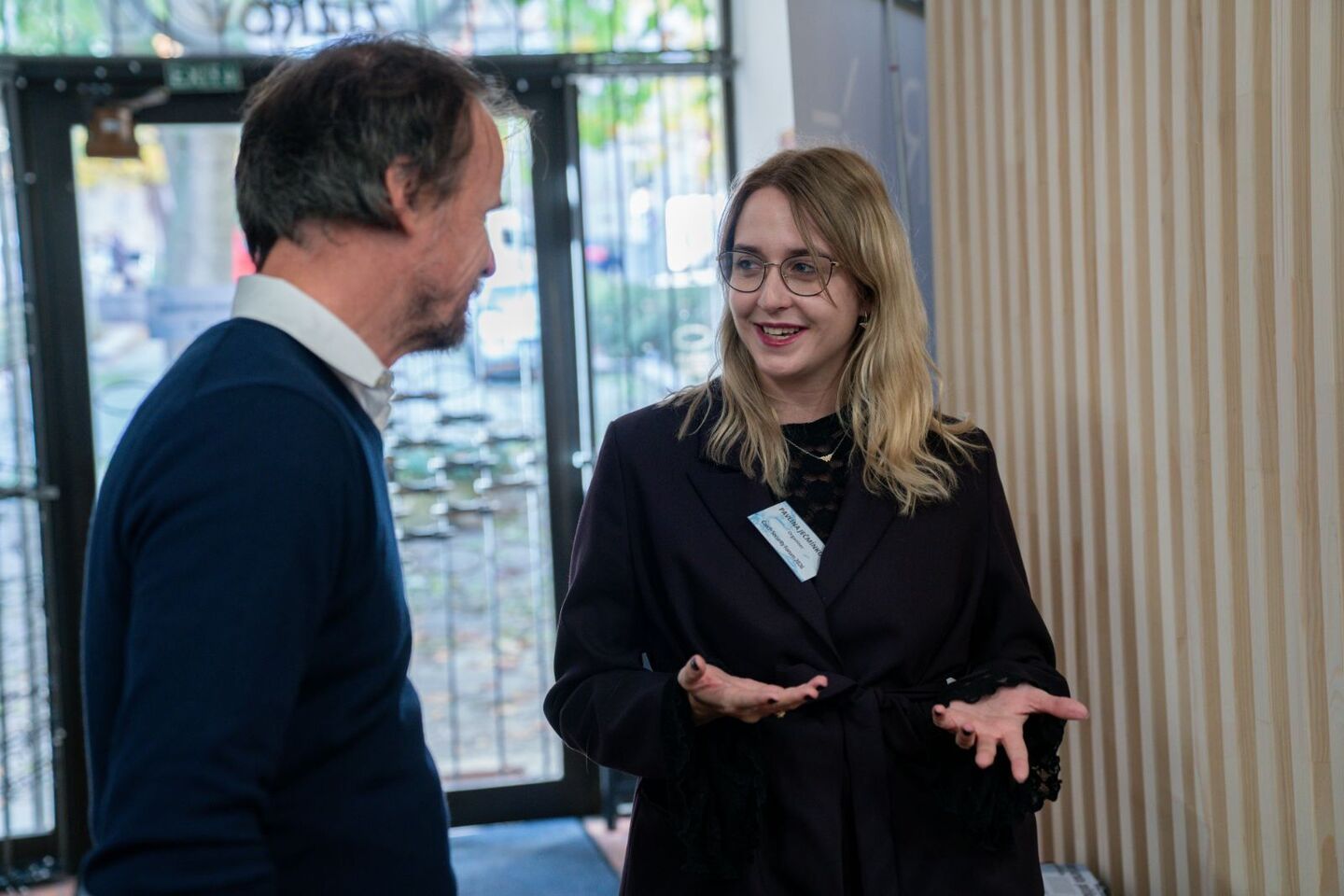
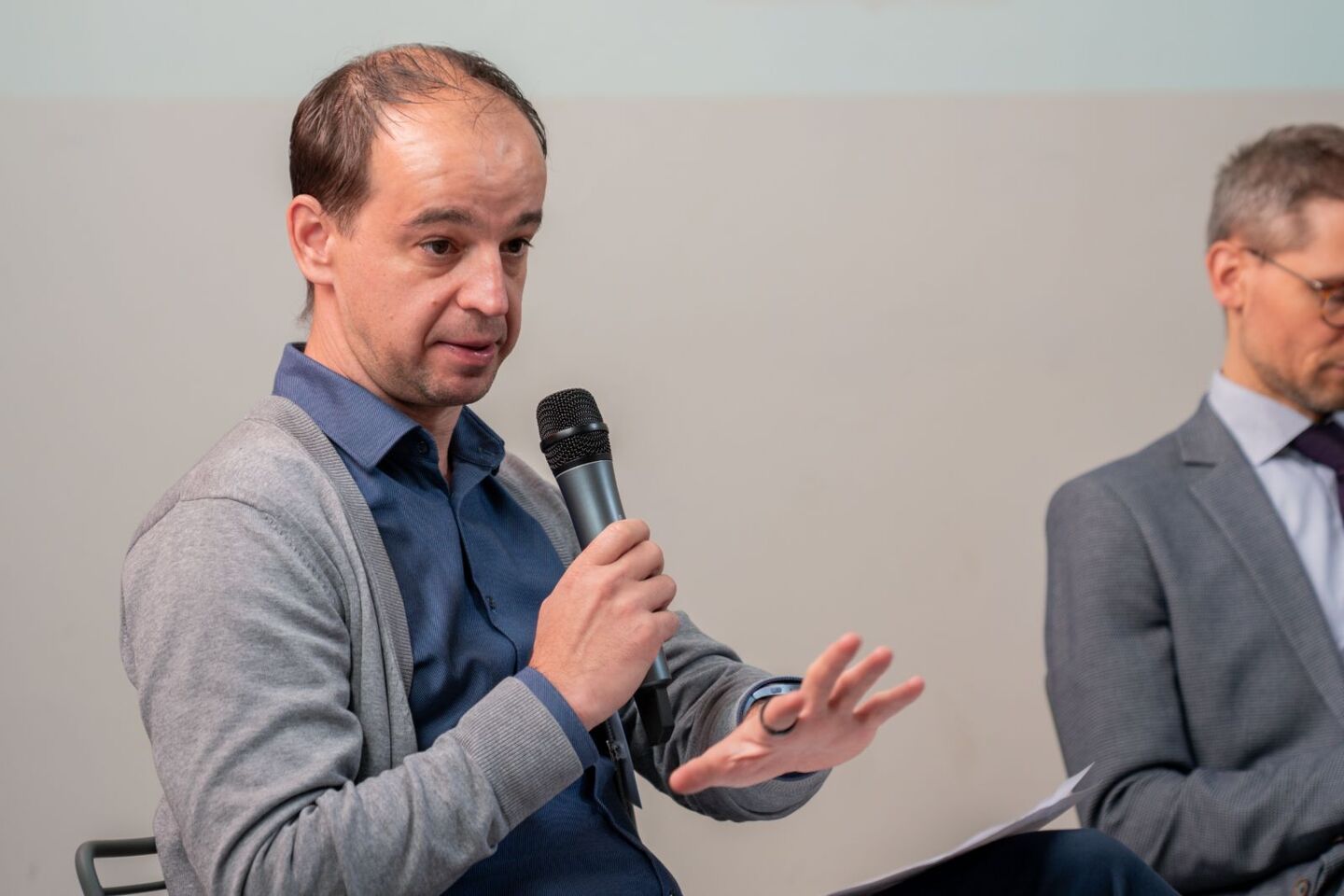
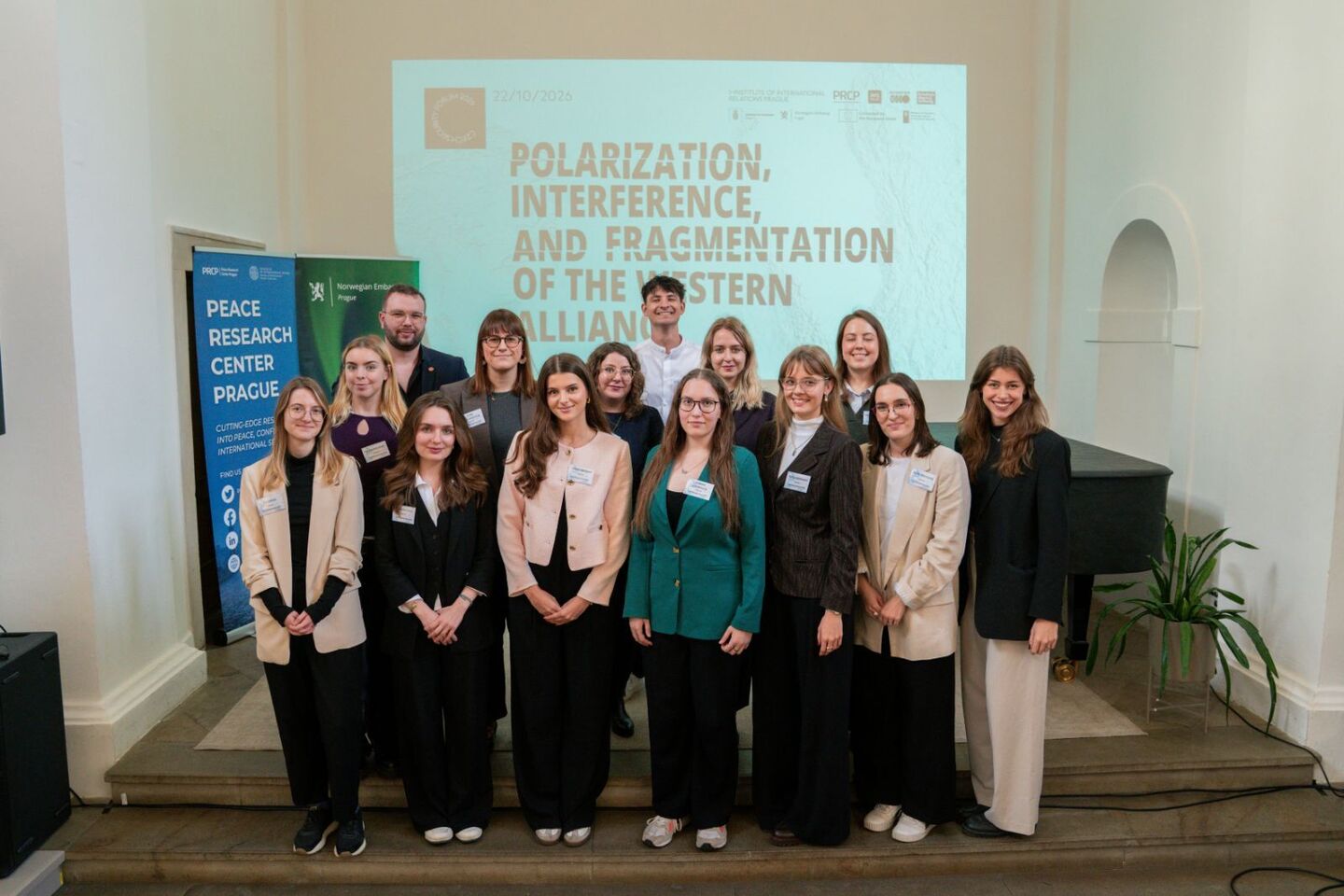
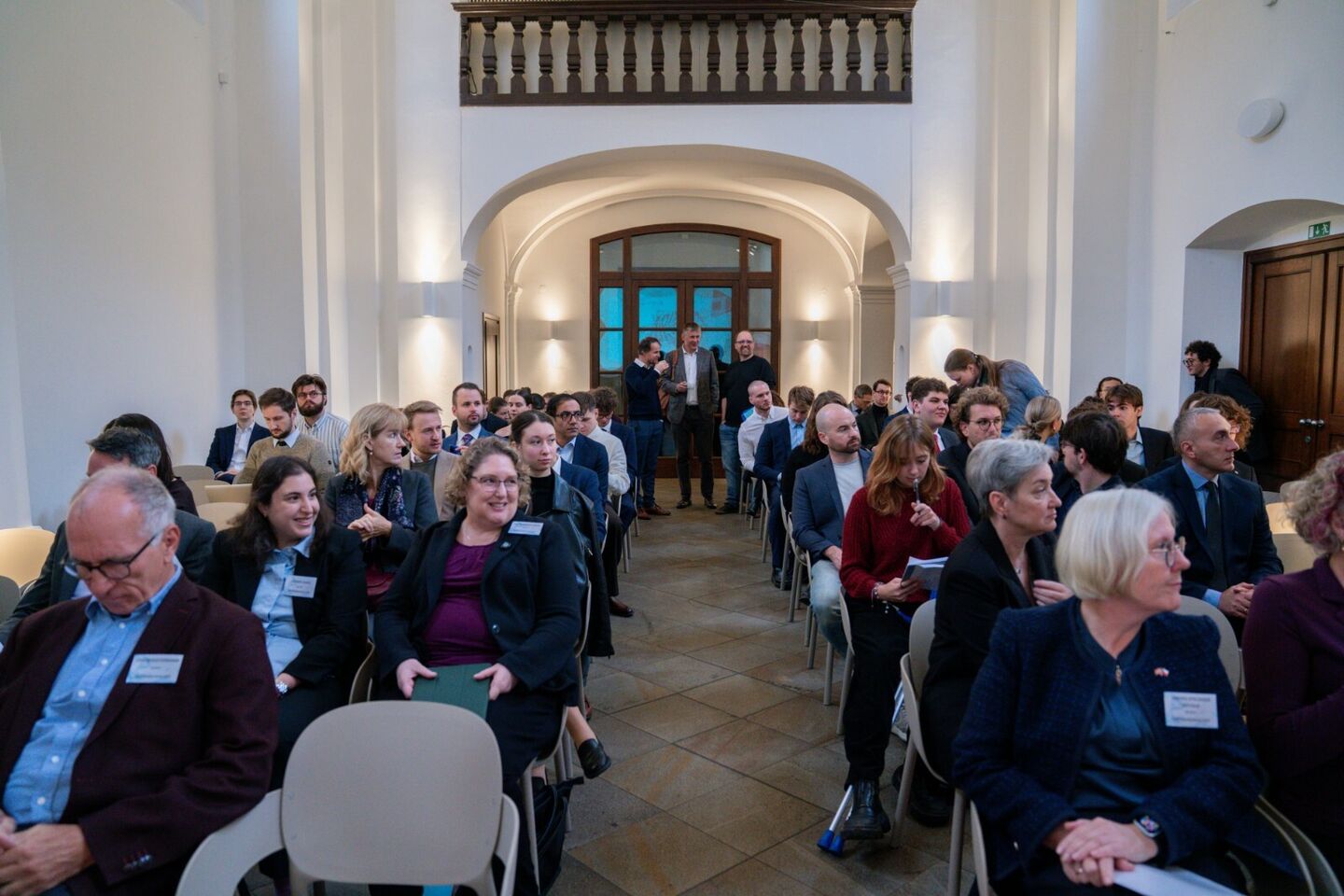
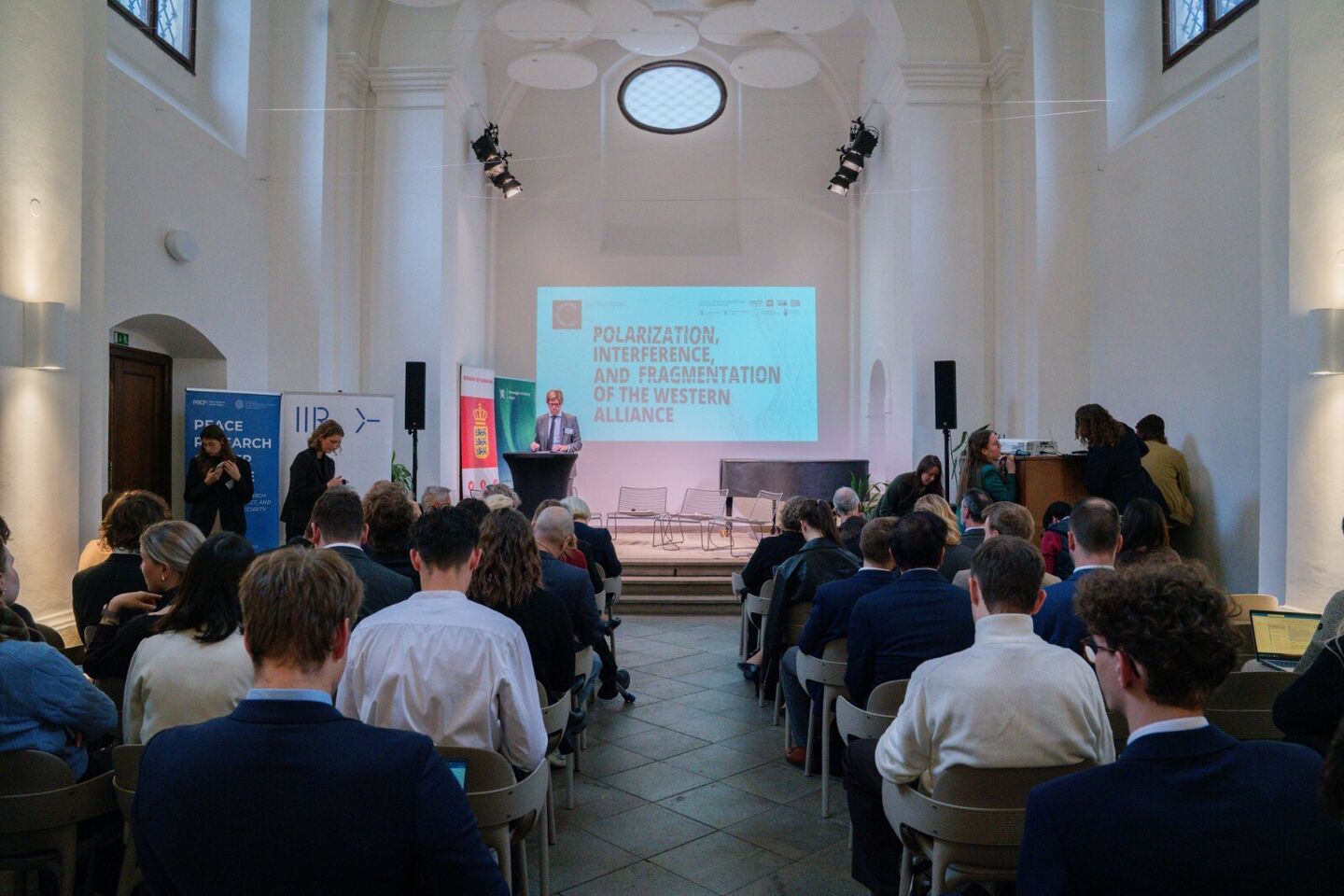
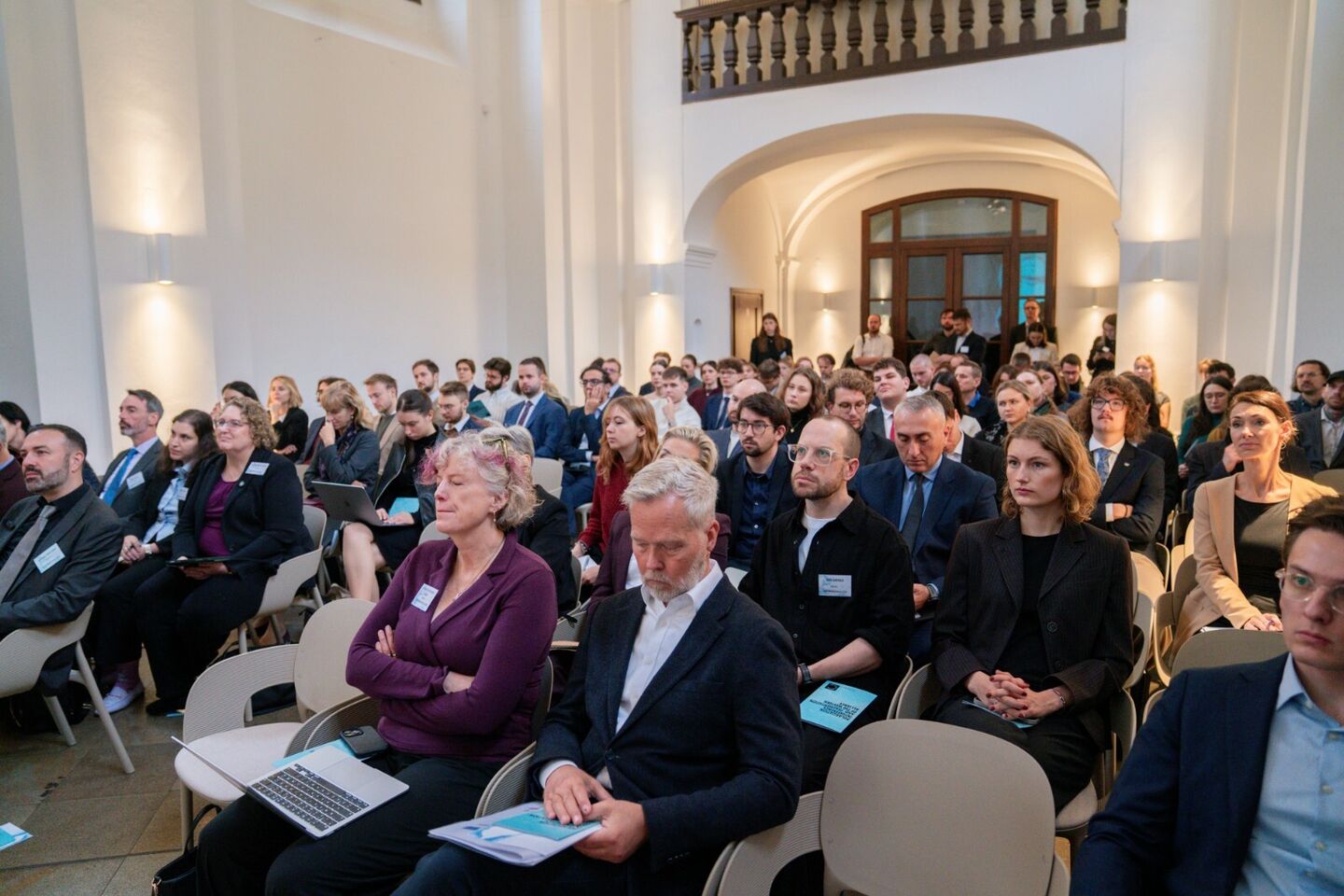
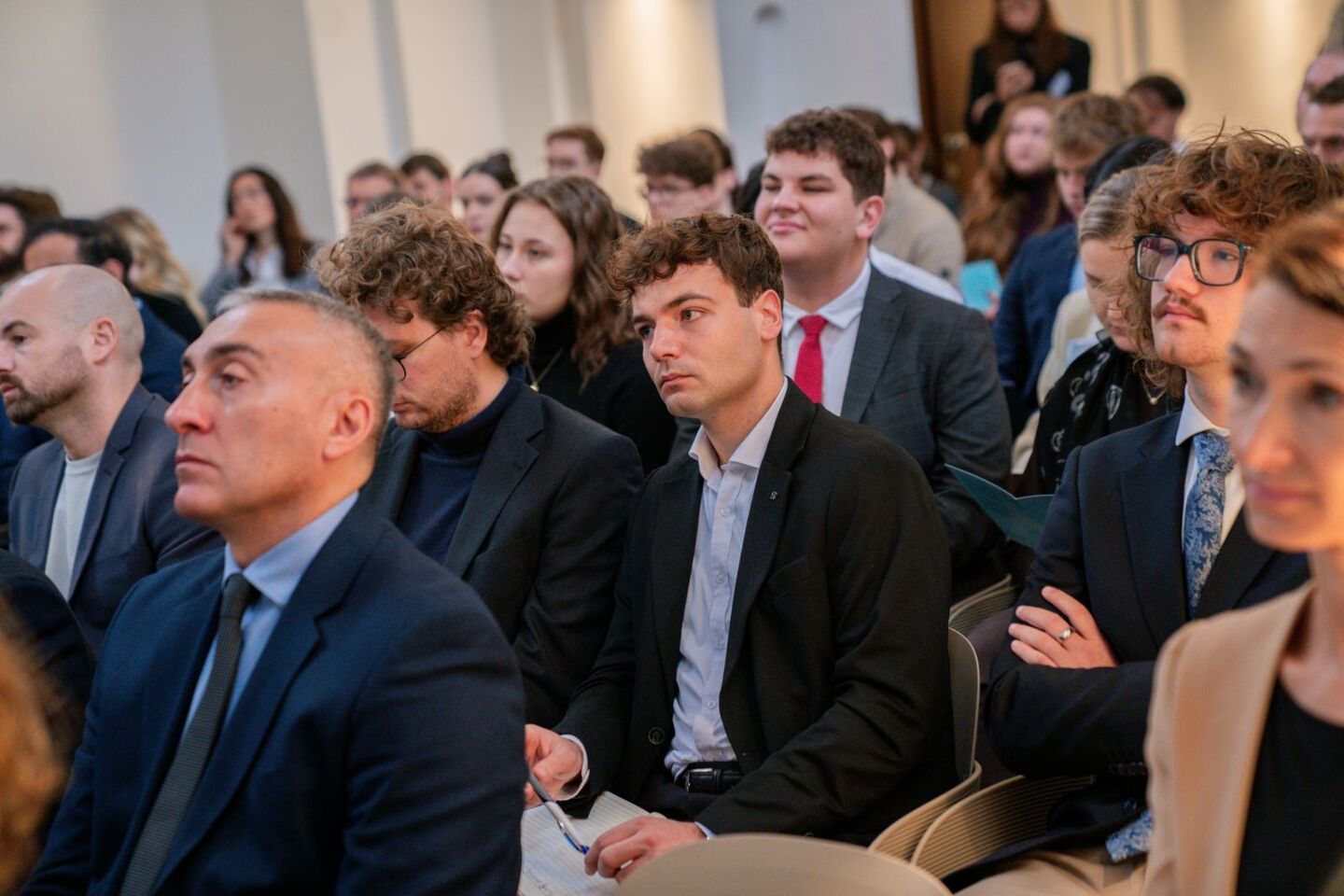
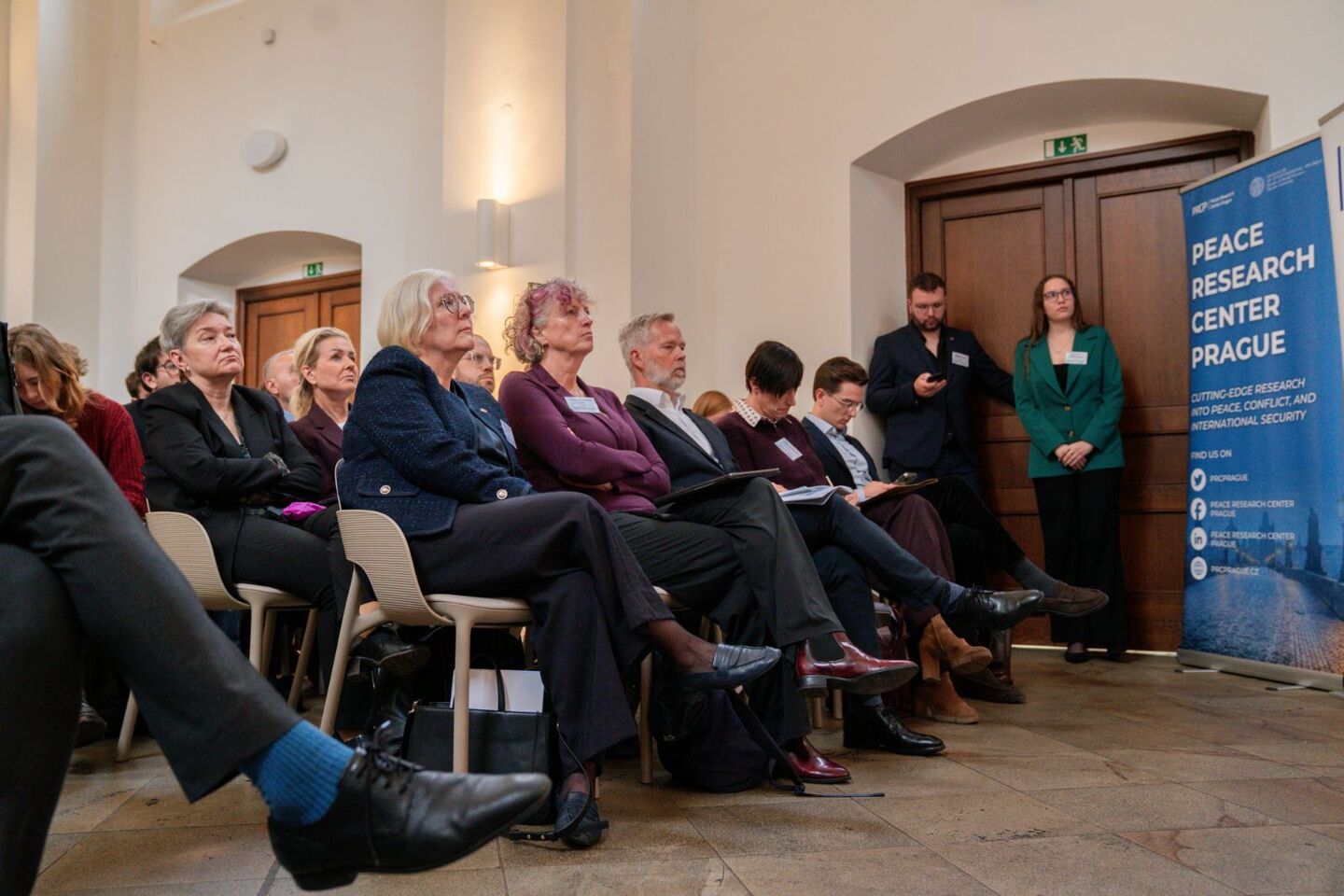
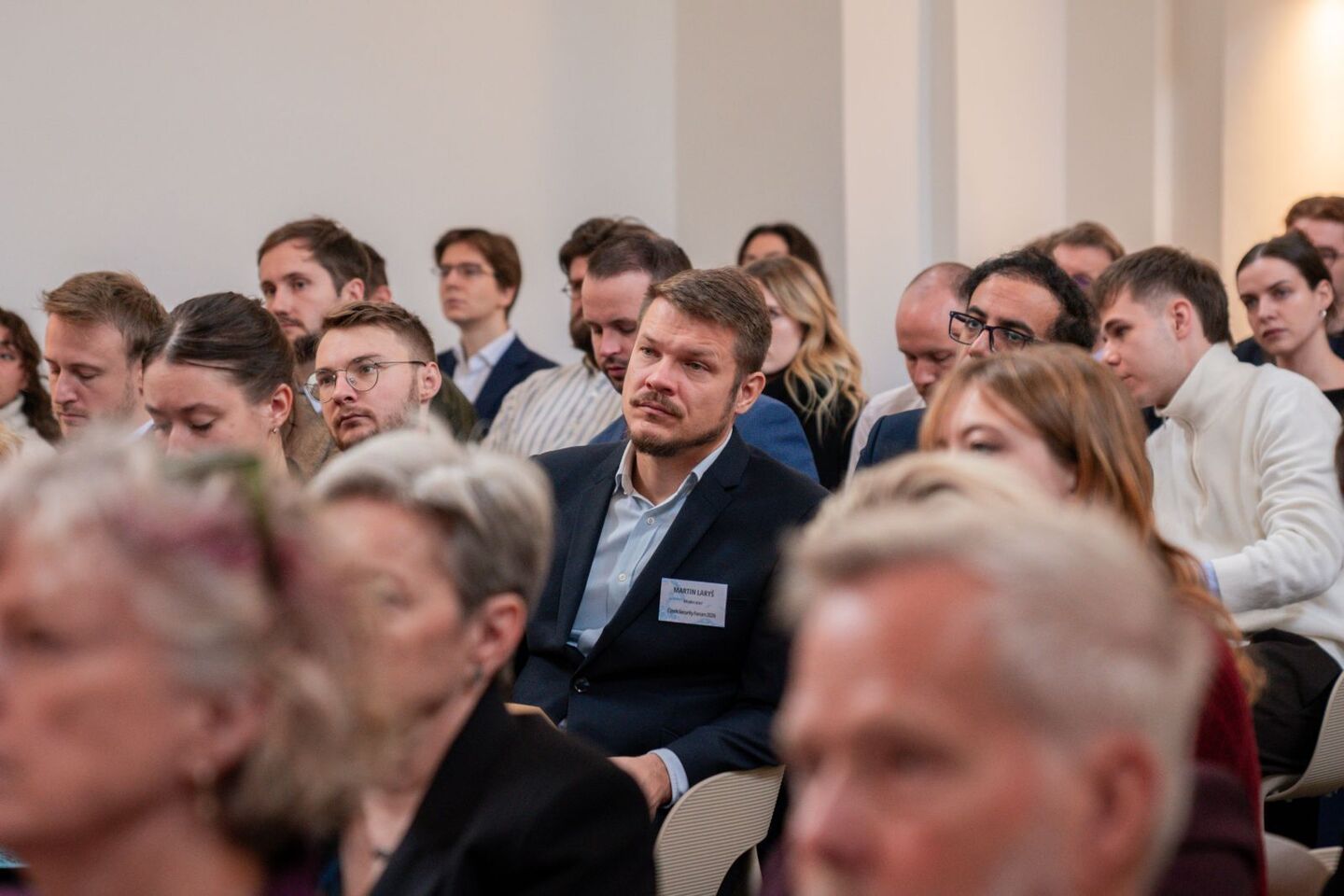
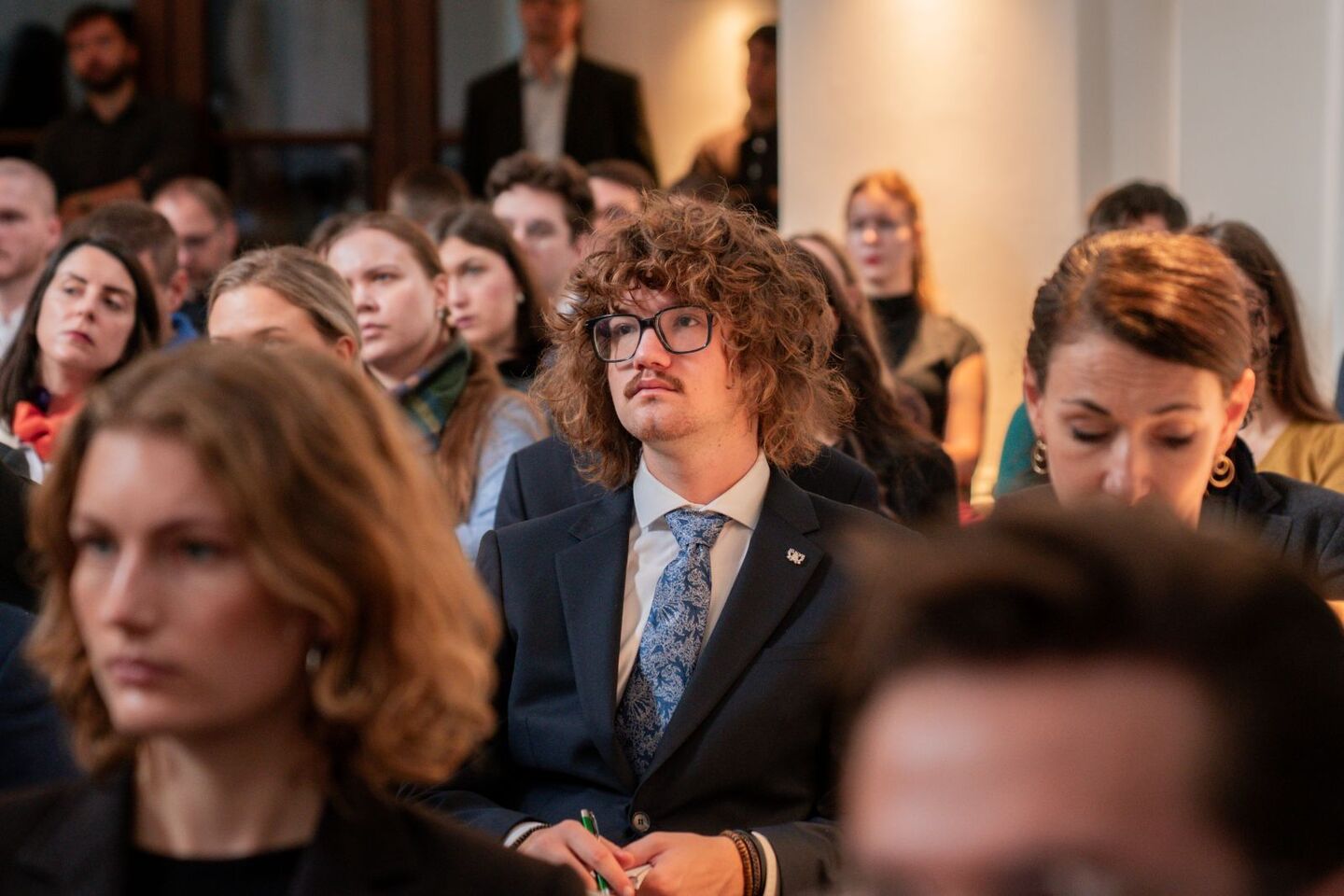
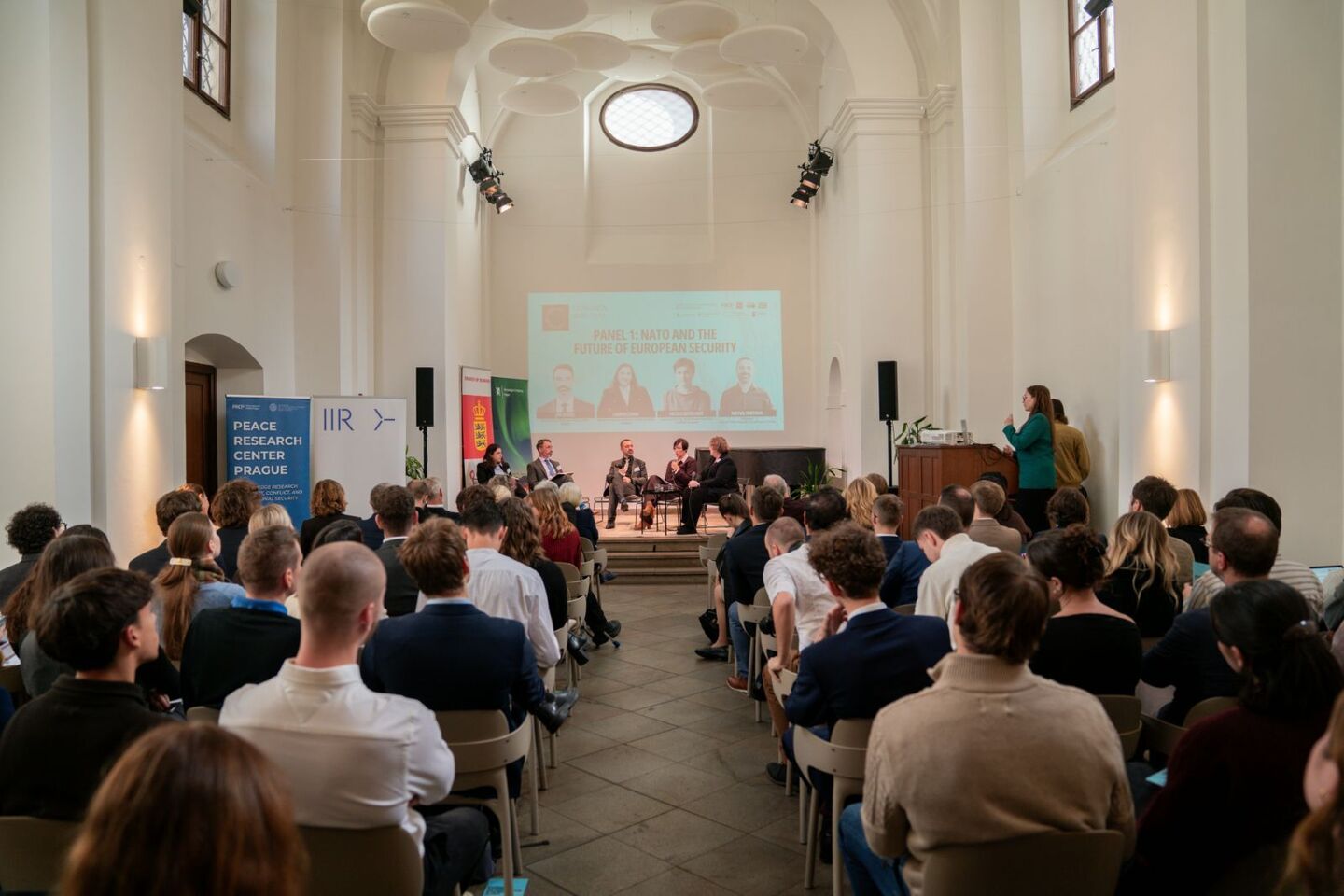
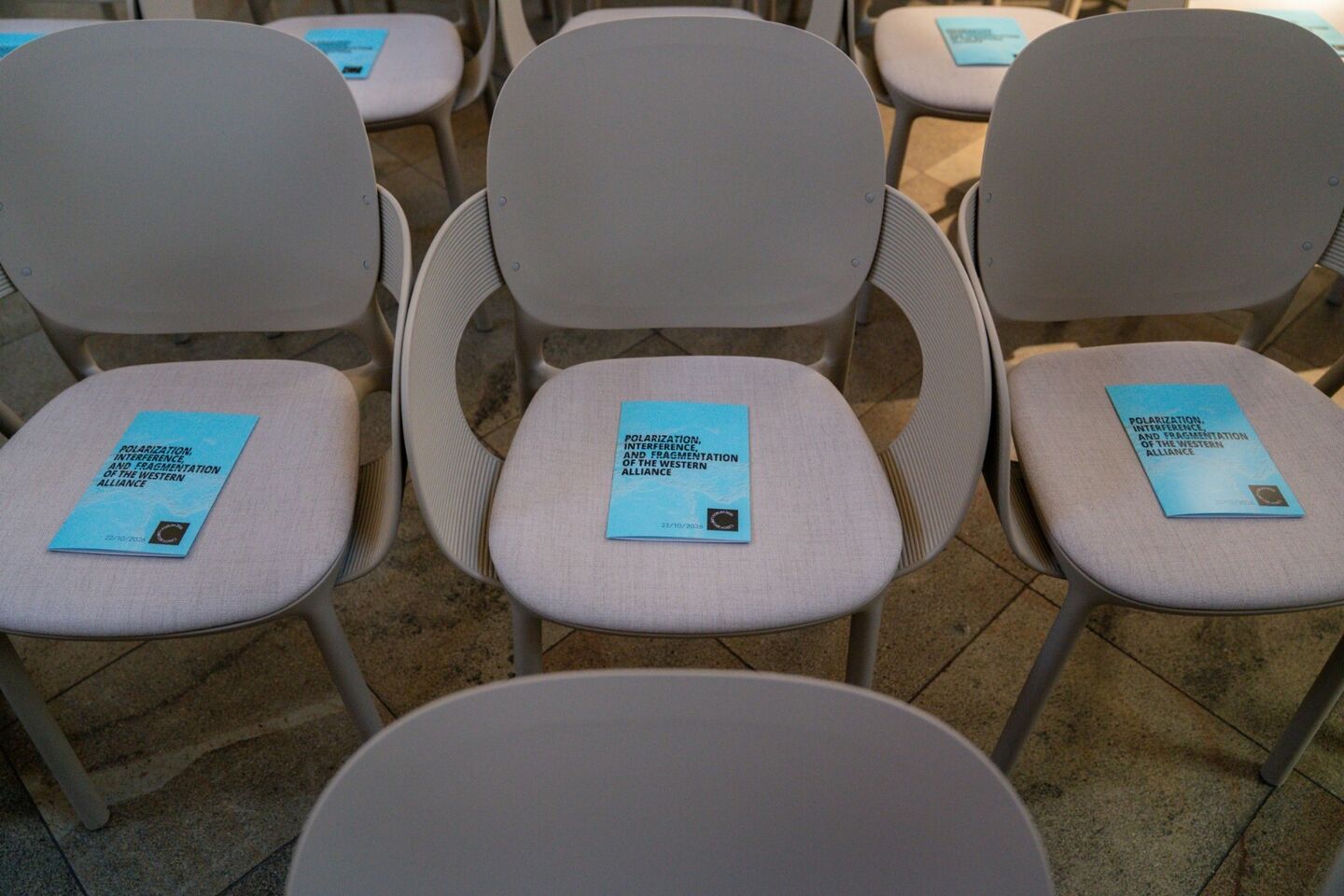
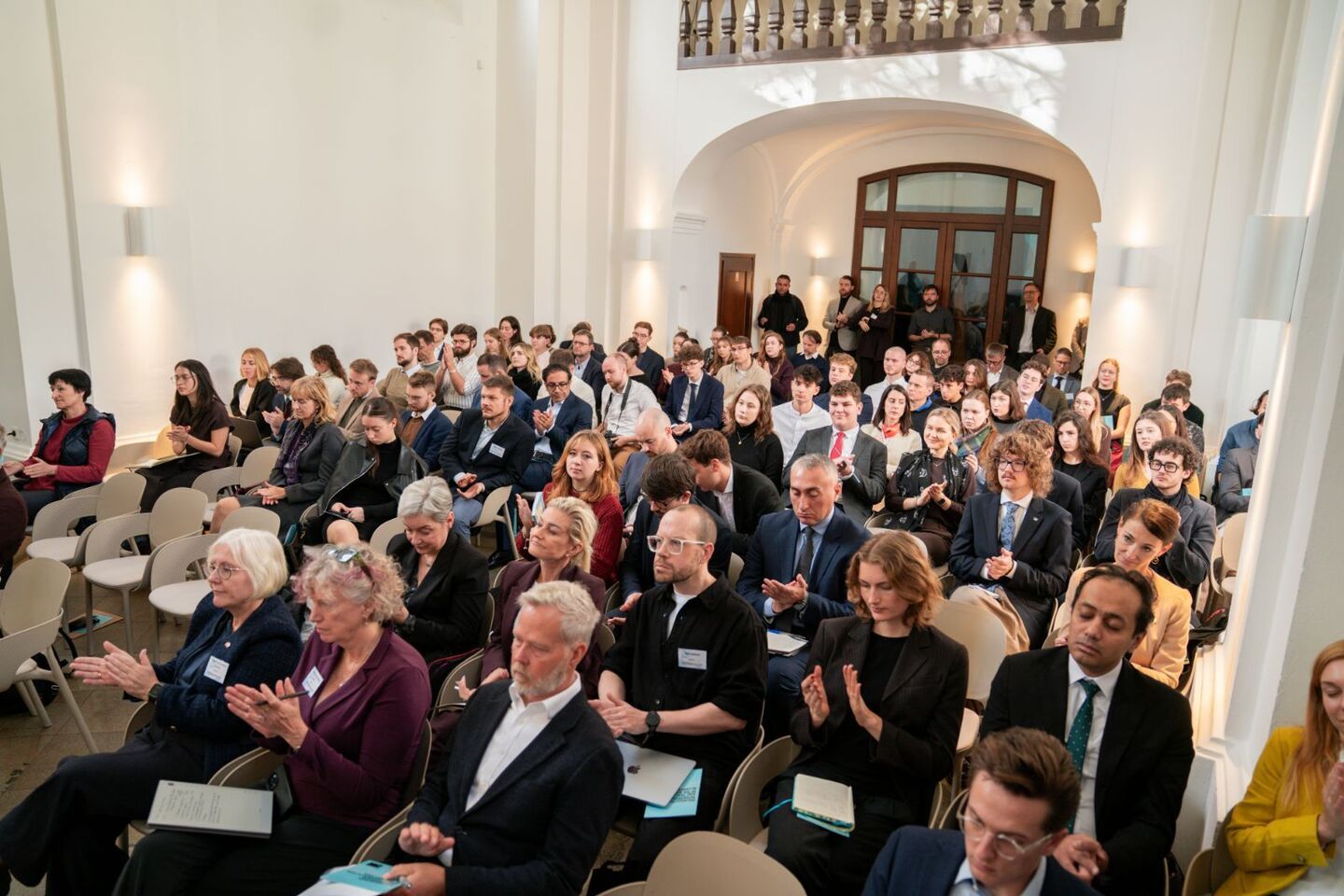
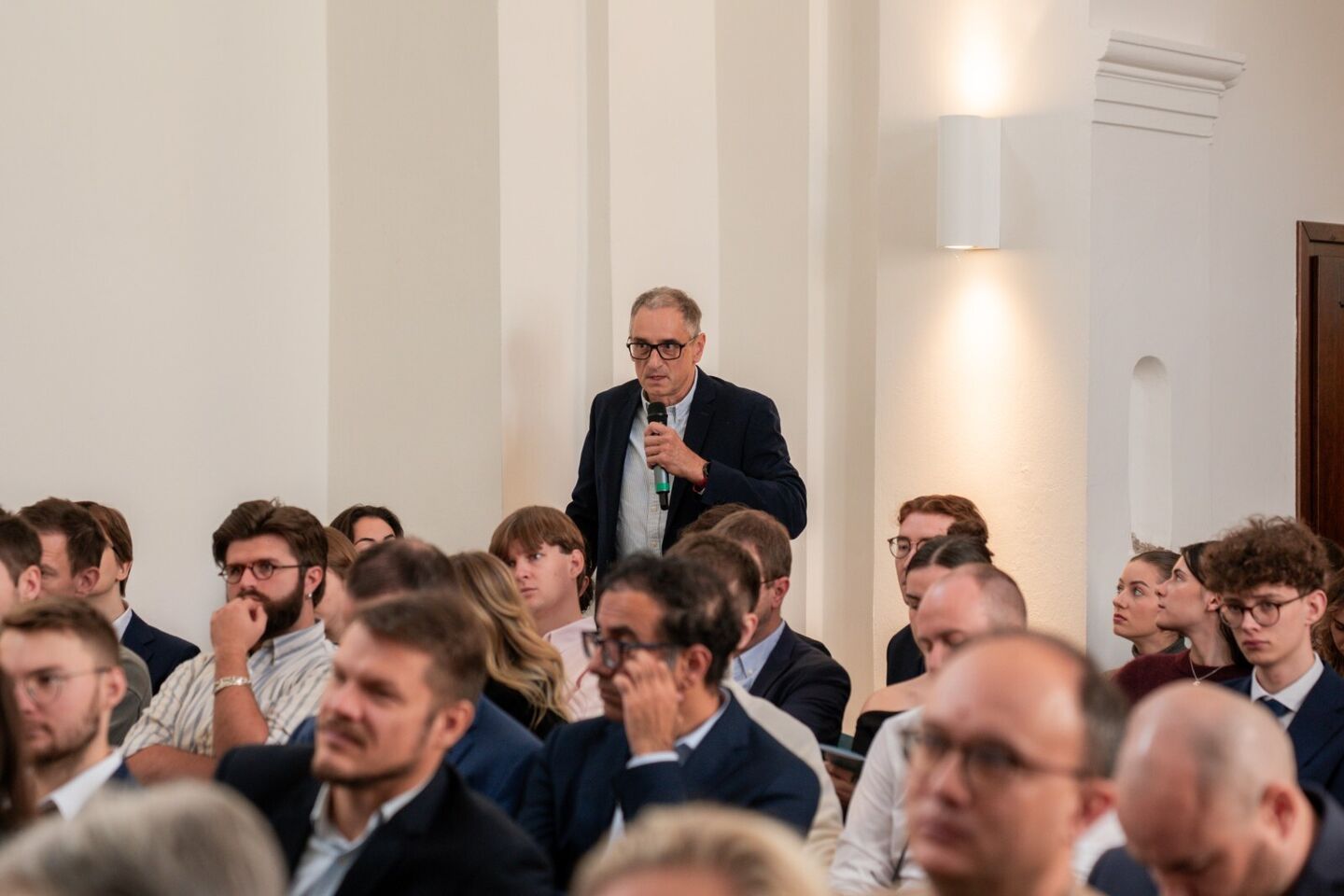
How is the Western security architecture changing at a time of growing political polarization and declining trust among allies? On 22 October, Czech Security Forum 2026 brought leading Czech and international experts to Atrium Žižkov in Prague to explore questions surrounding the future of NATO, European security, the resilience of democratic institutions and the transformation of the West itself.
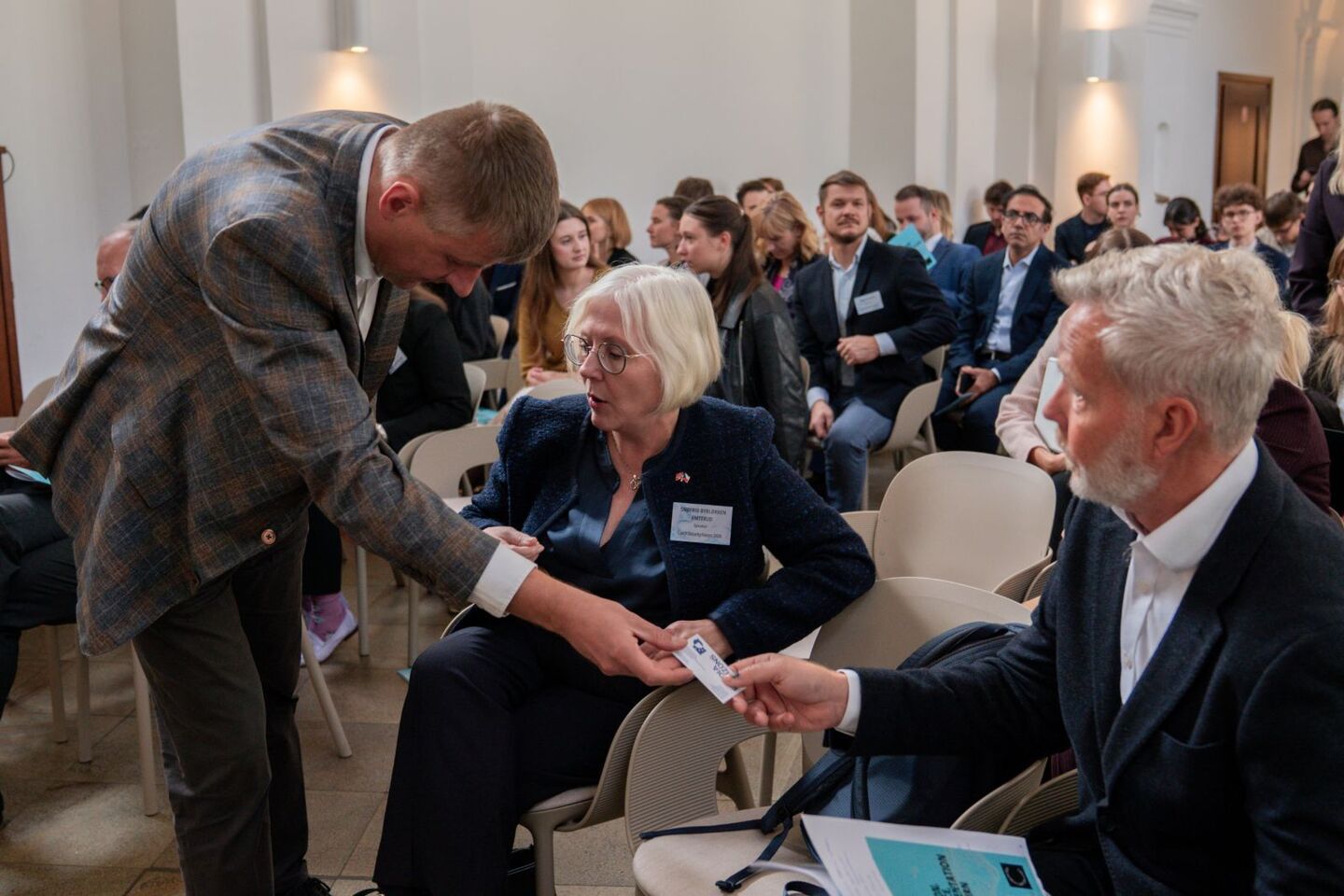
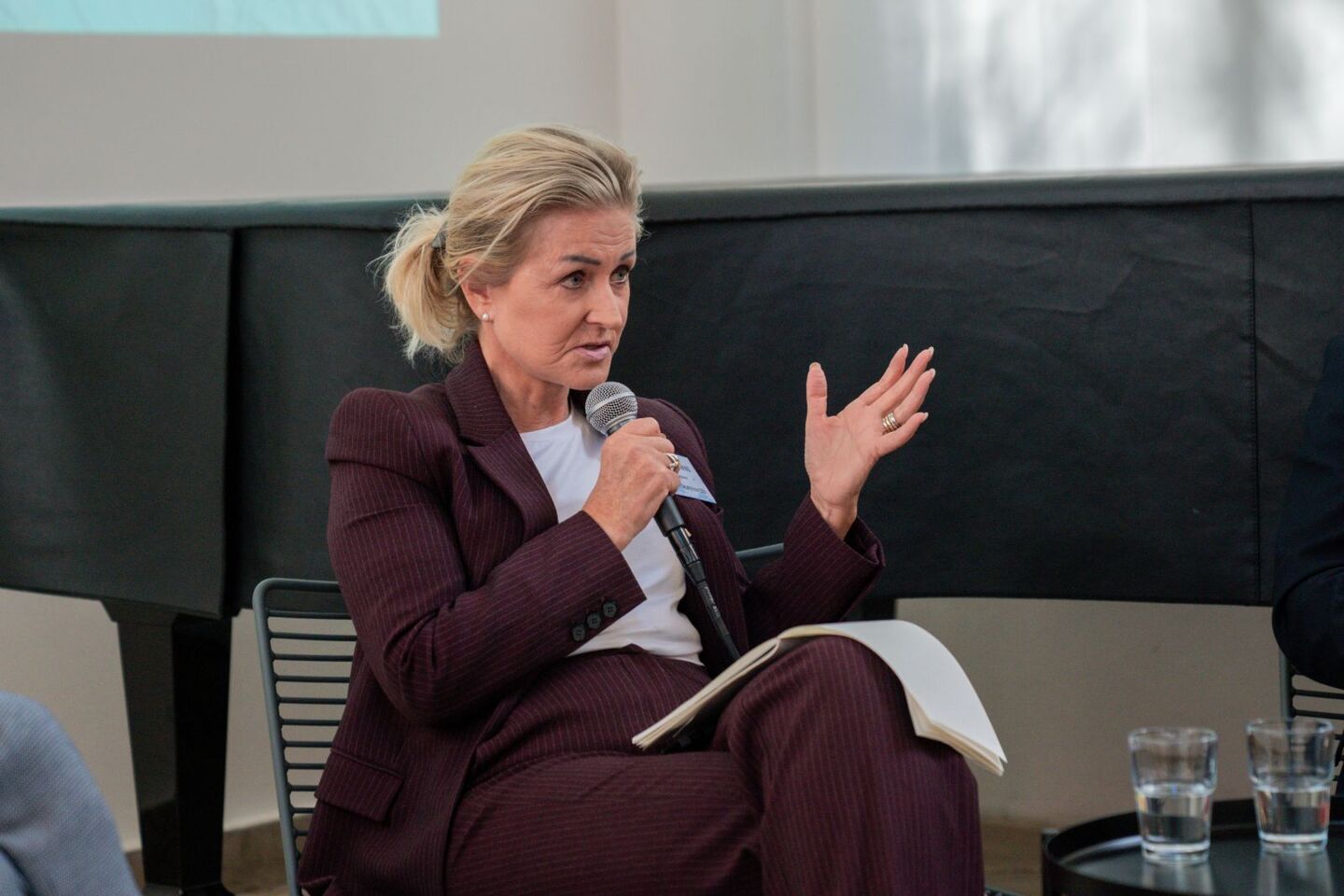
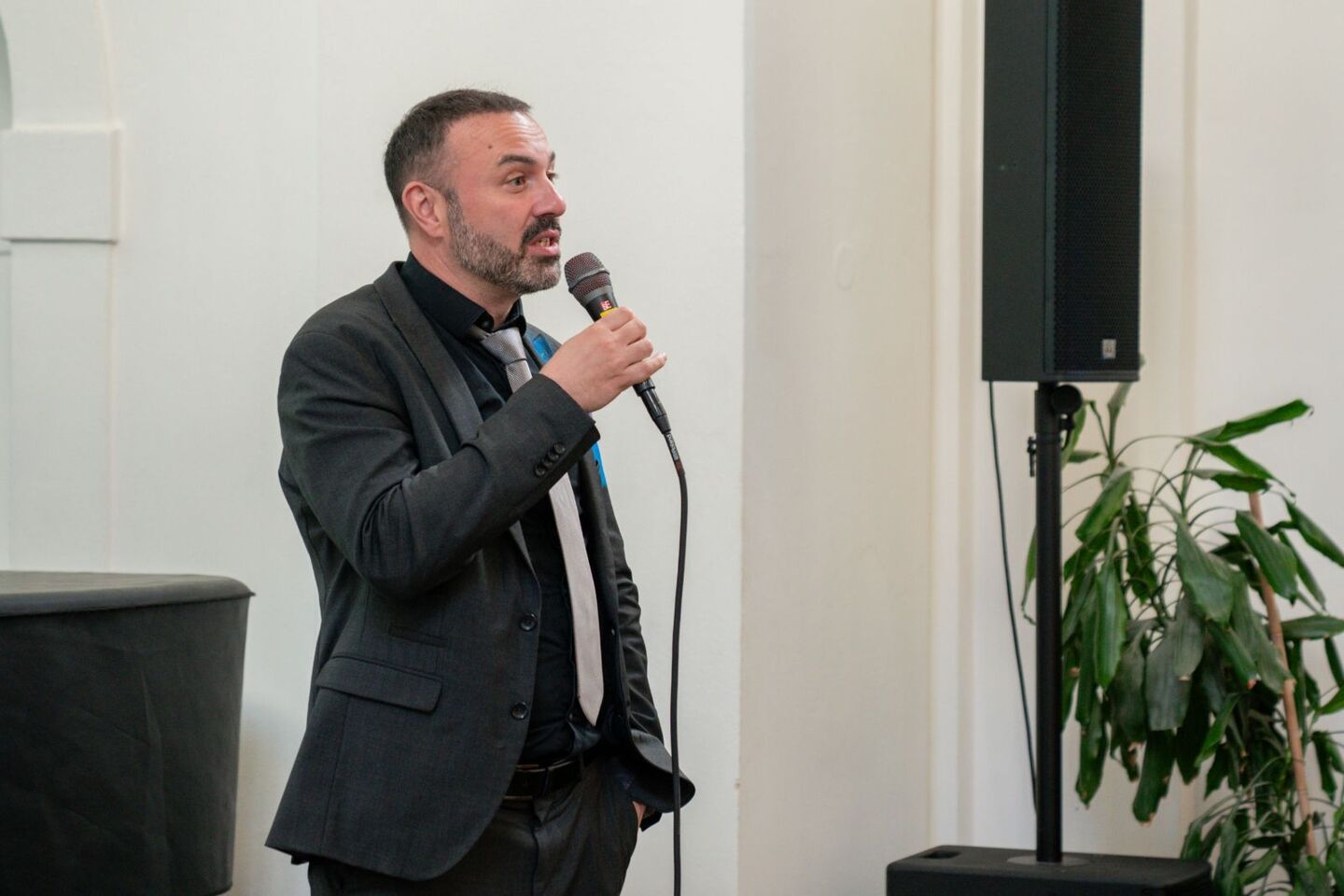
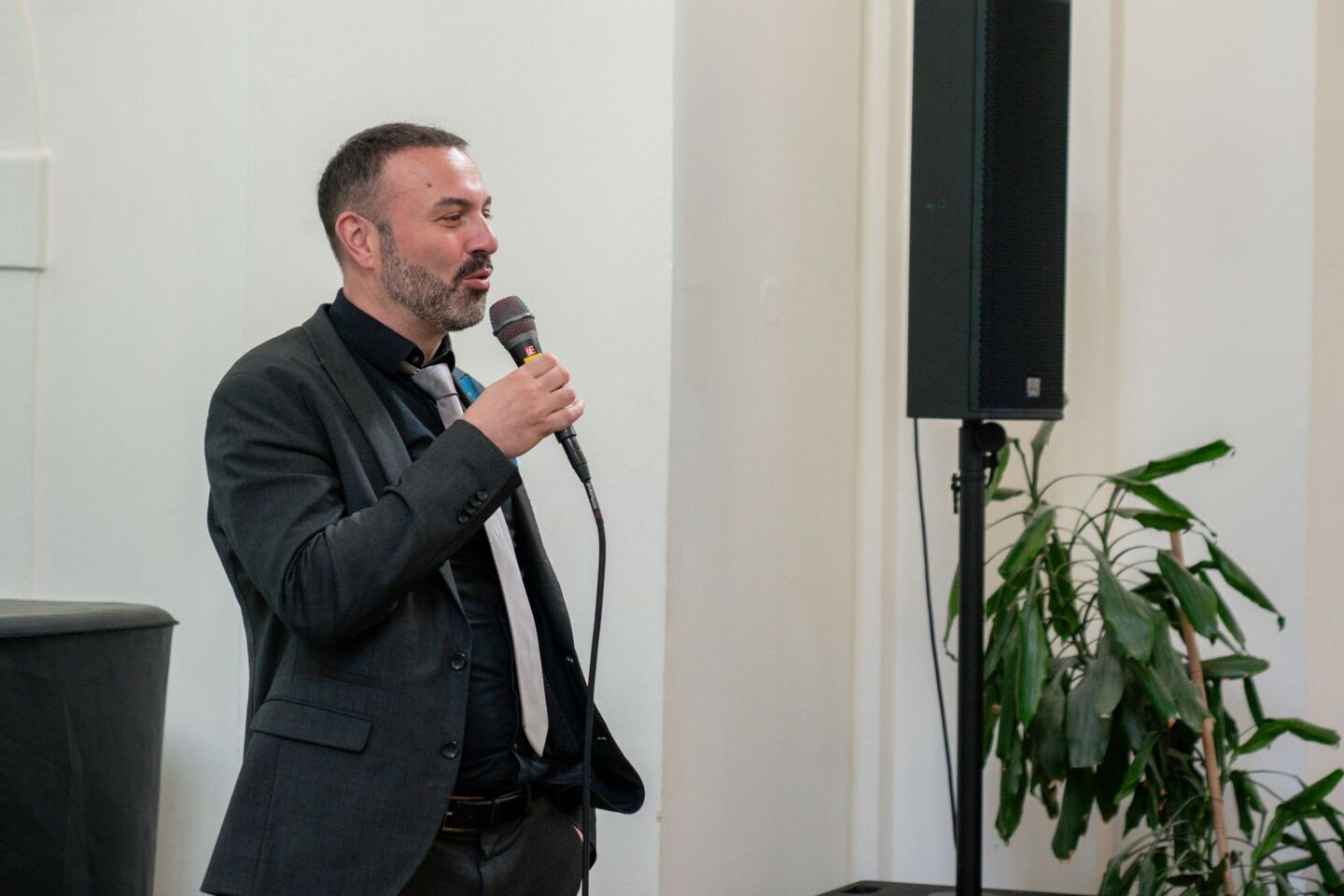
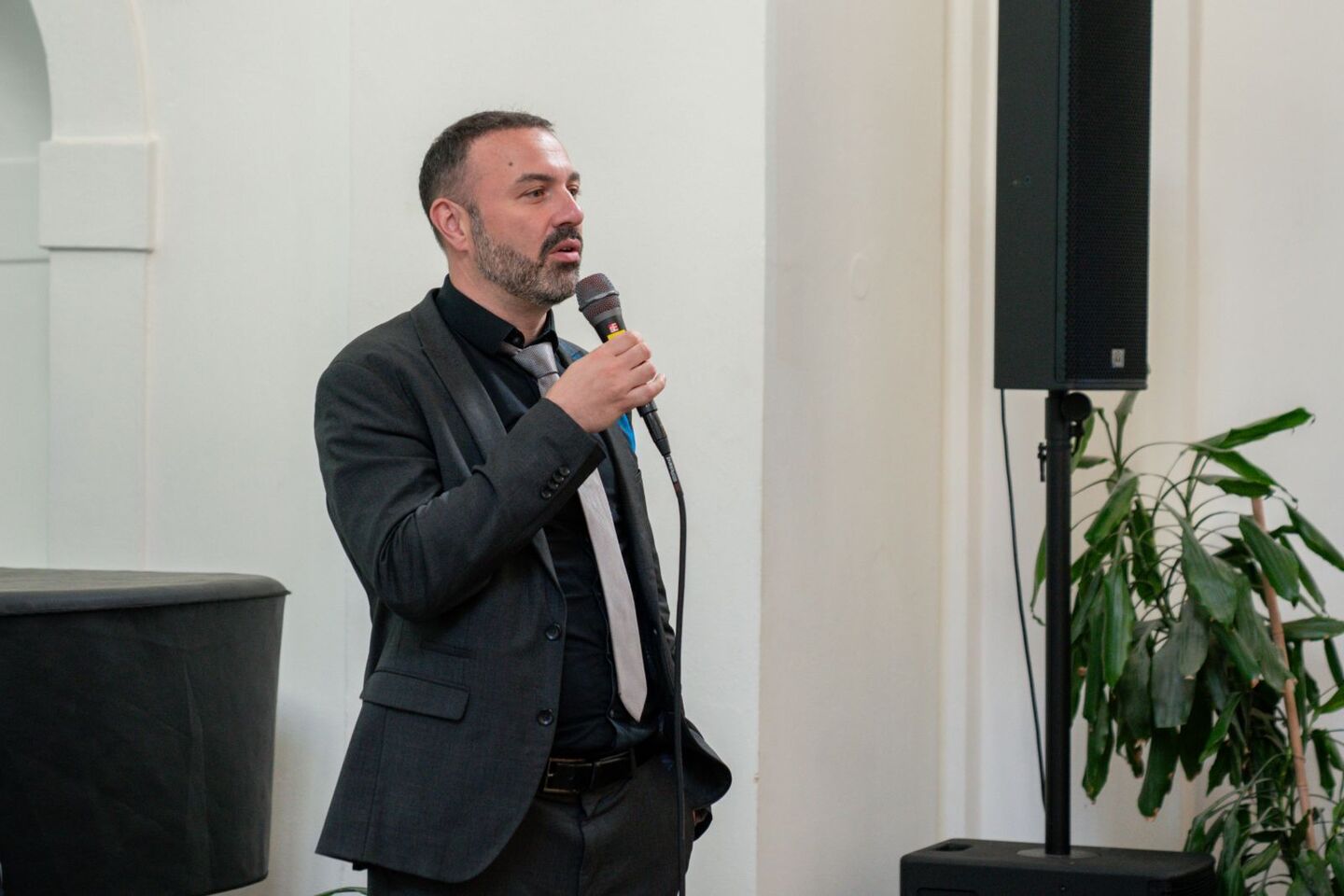
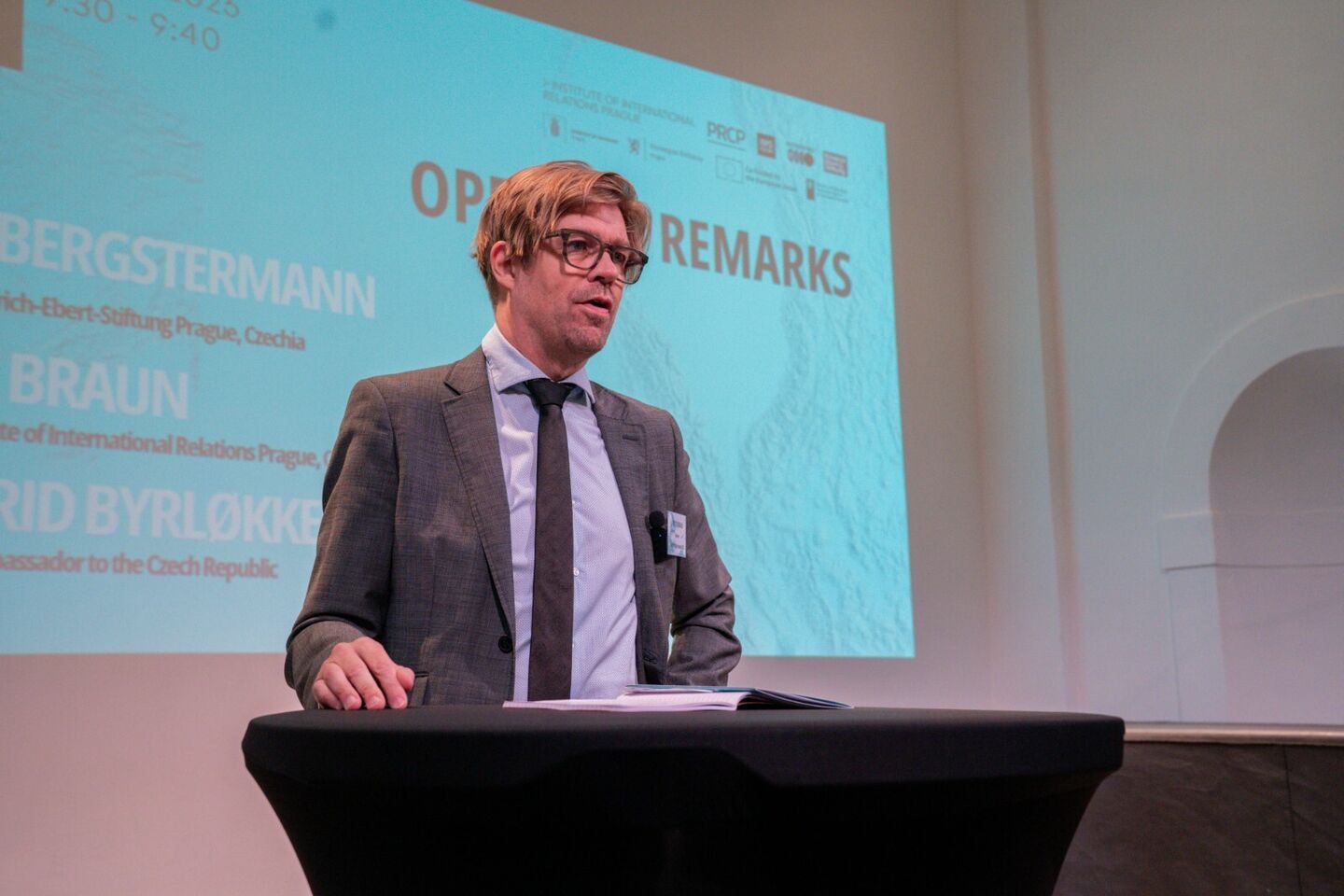
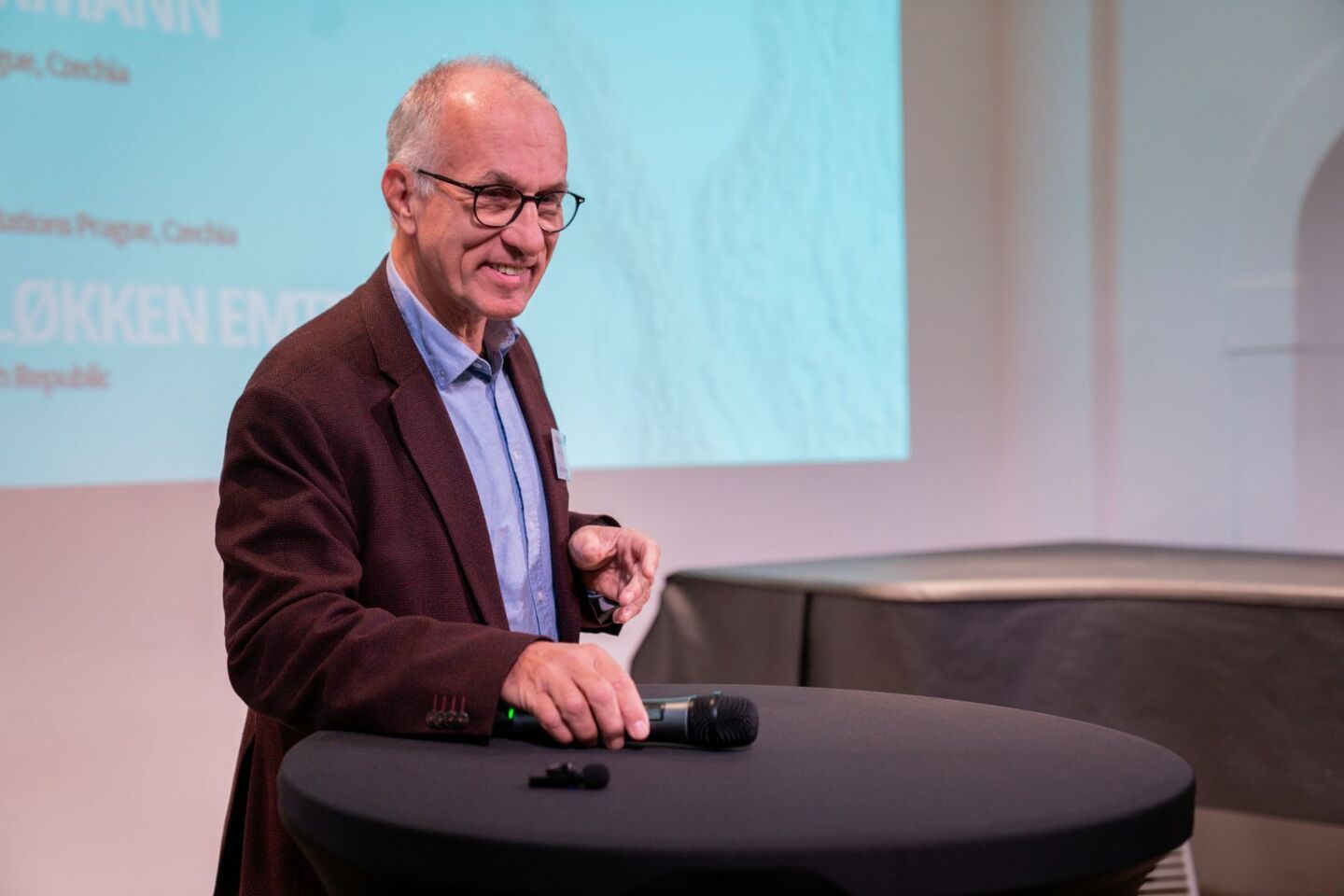
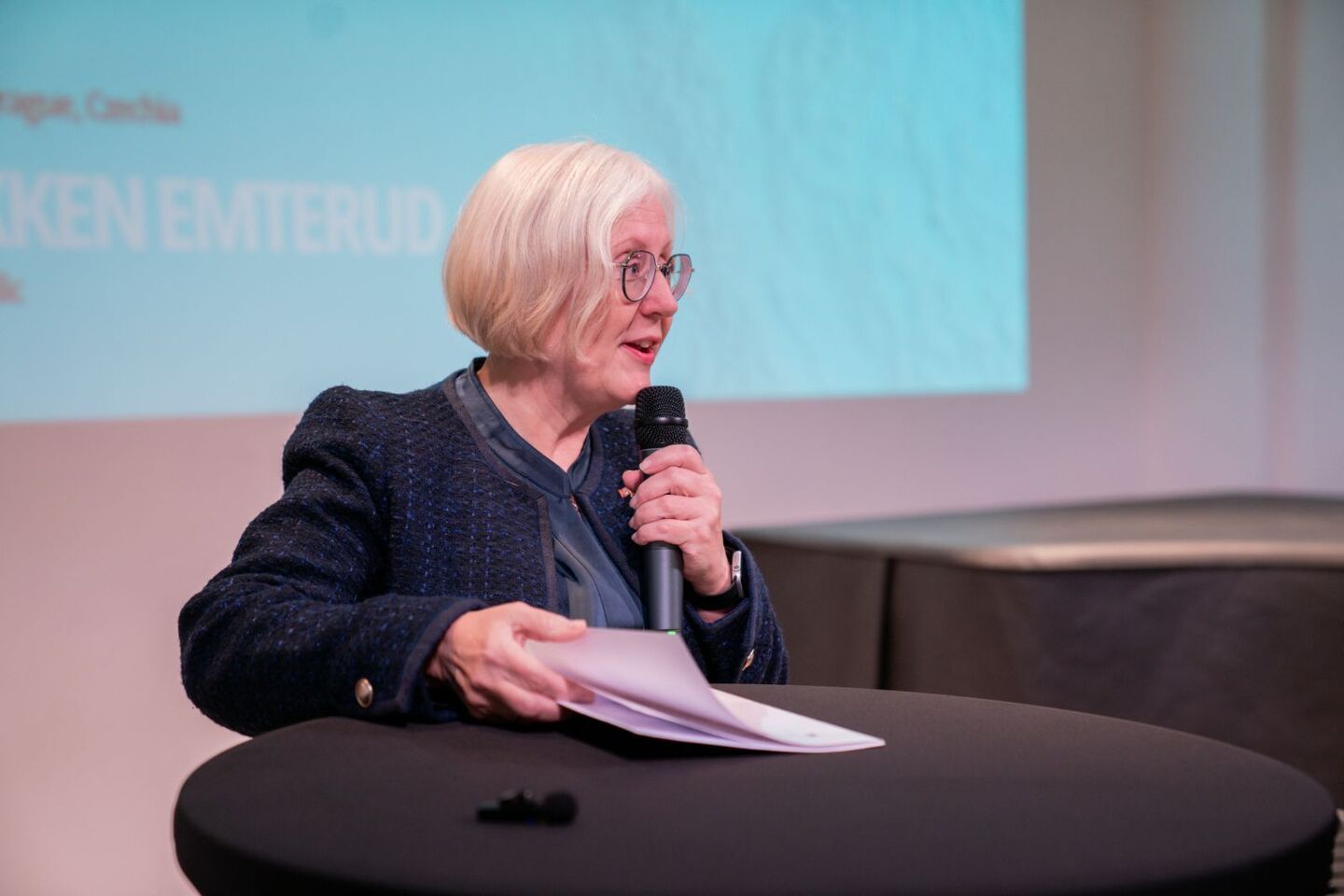
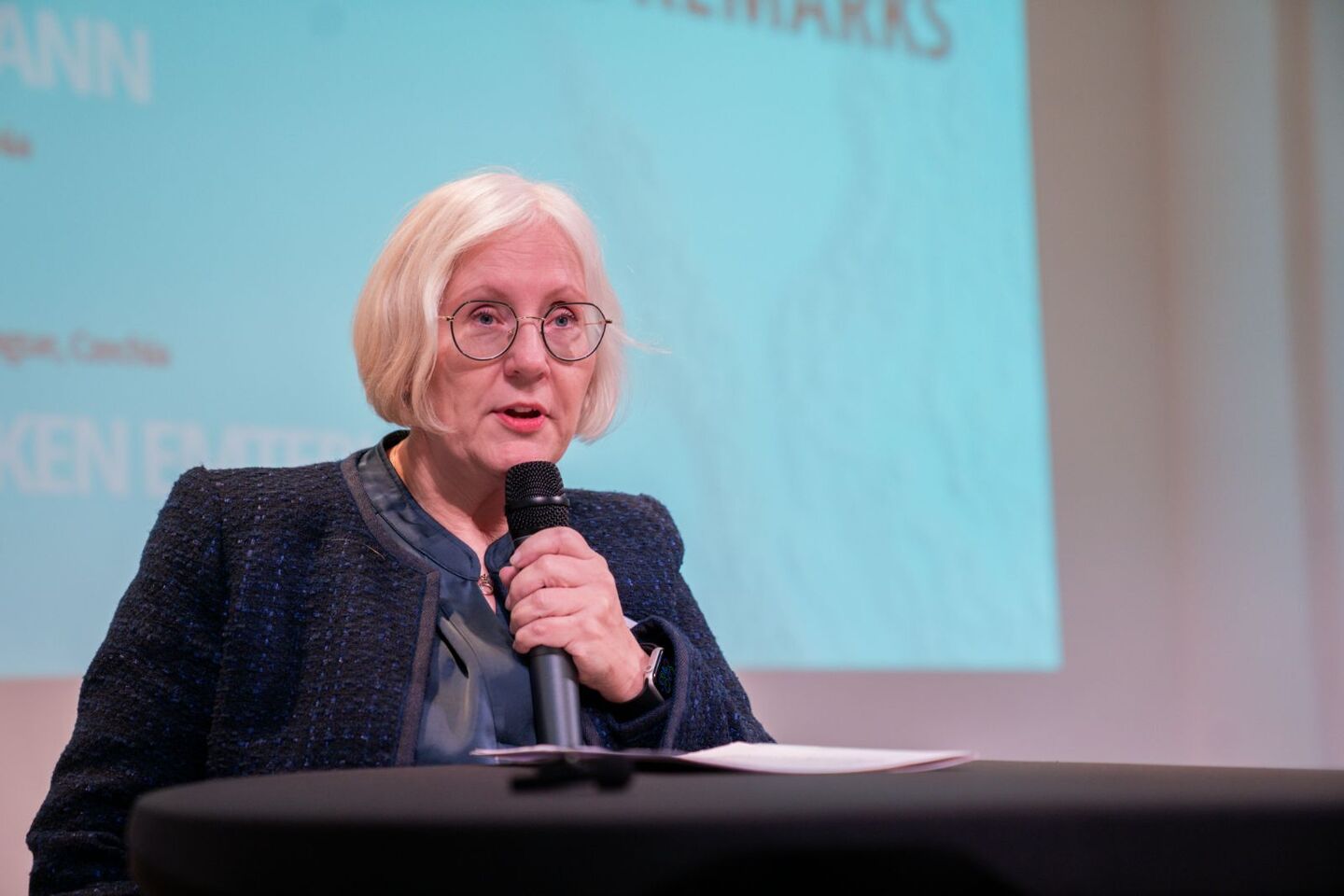
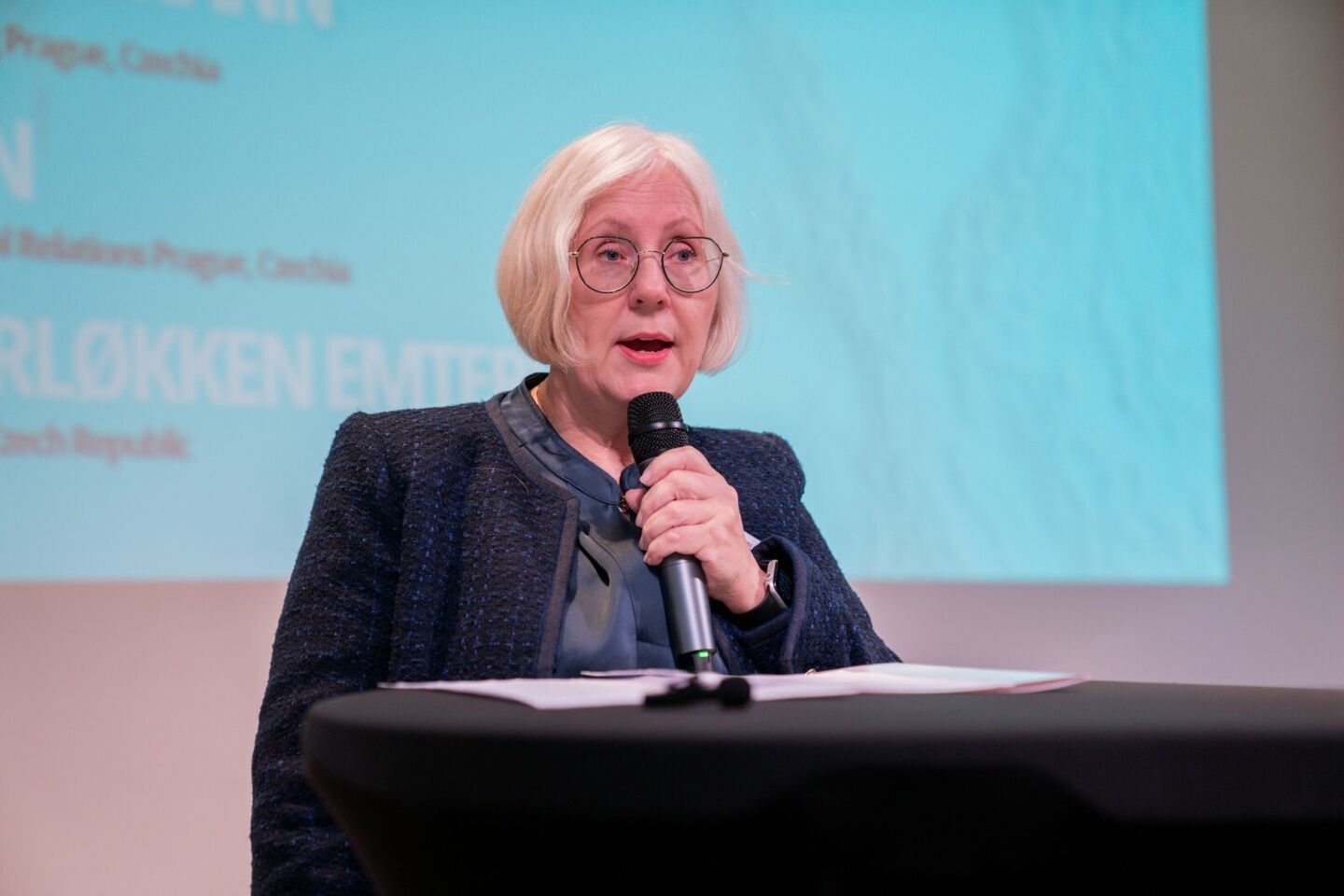
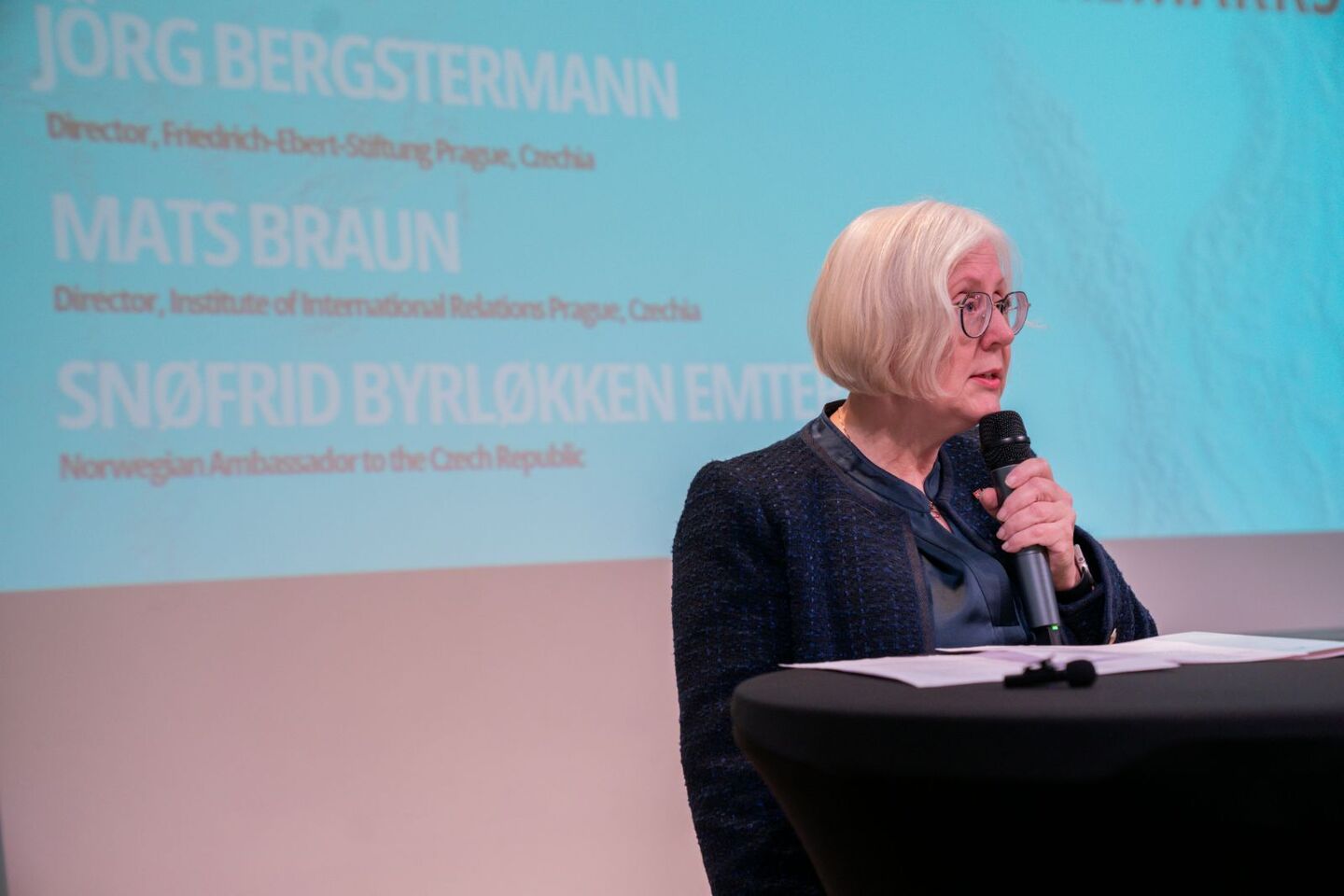
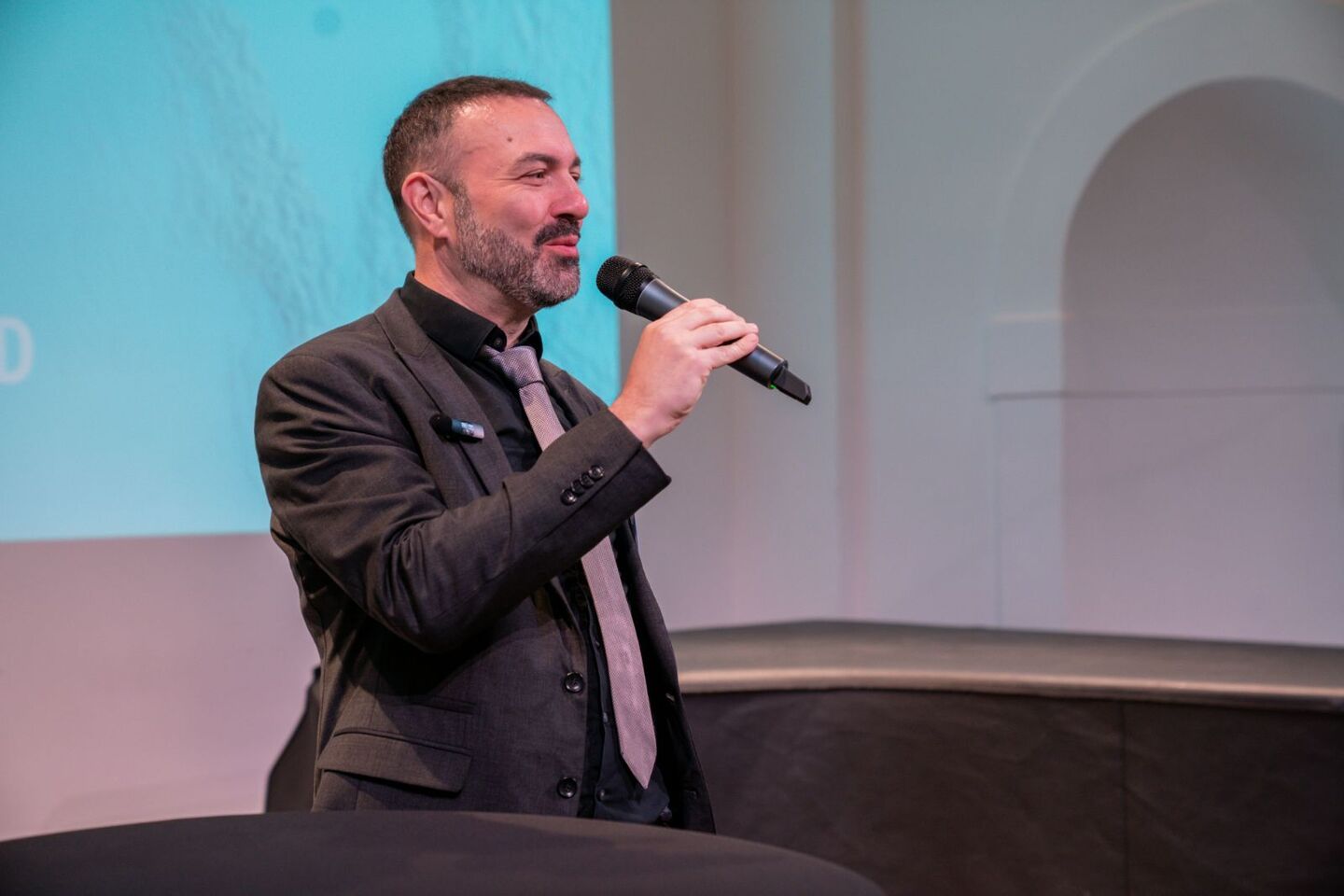
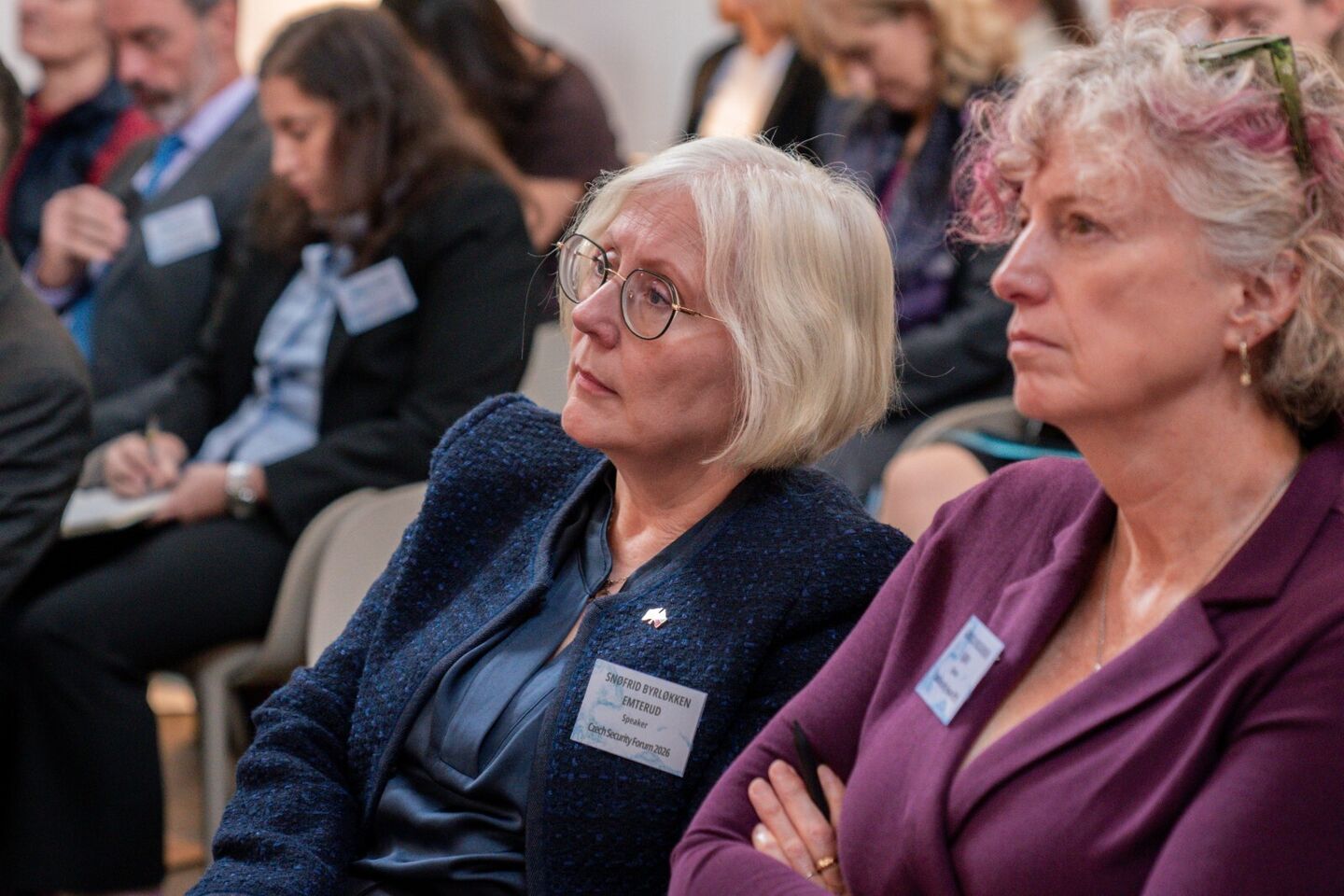
This year’s edition, traditionally organised by the Institute of International Relations Prague (IIR) and the Peace Research Center Prague (PRCP), was opened by Mats Braun, Director of the IIR, who welcomed the guests and introduced the main themes of the day. He was followed by Snøfrid Byrløkken Emterud, Ambassador of the Kingdom of Norway to the Czech Republic, who highlighted the importance of allied relations for Norway. She pointed out that Russia’s invasion of Ukraine, cyberattacks, disinformation and the activities of the so-called shadow fleet have once again demonstrated the importance of defence, deterrence and the resilience of democratic societies. At the same time, she raised one of the questions that resurfaced in different forms throughout the day: how can democracies respond effectively to external threats without undermining the very principles and freedoms on which they are built?
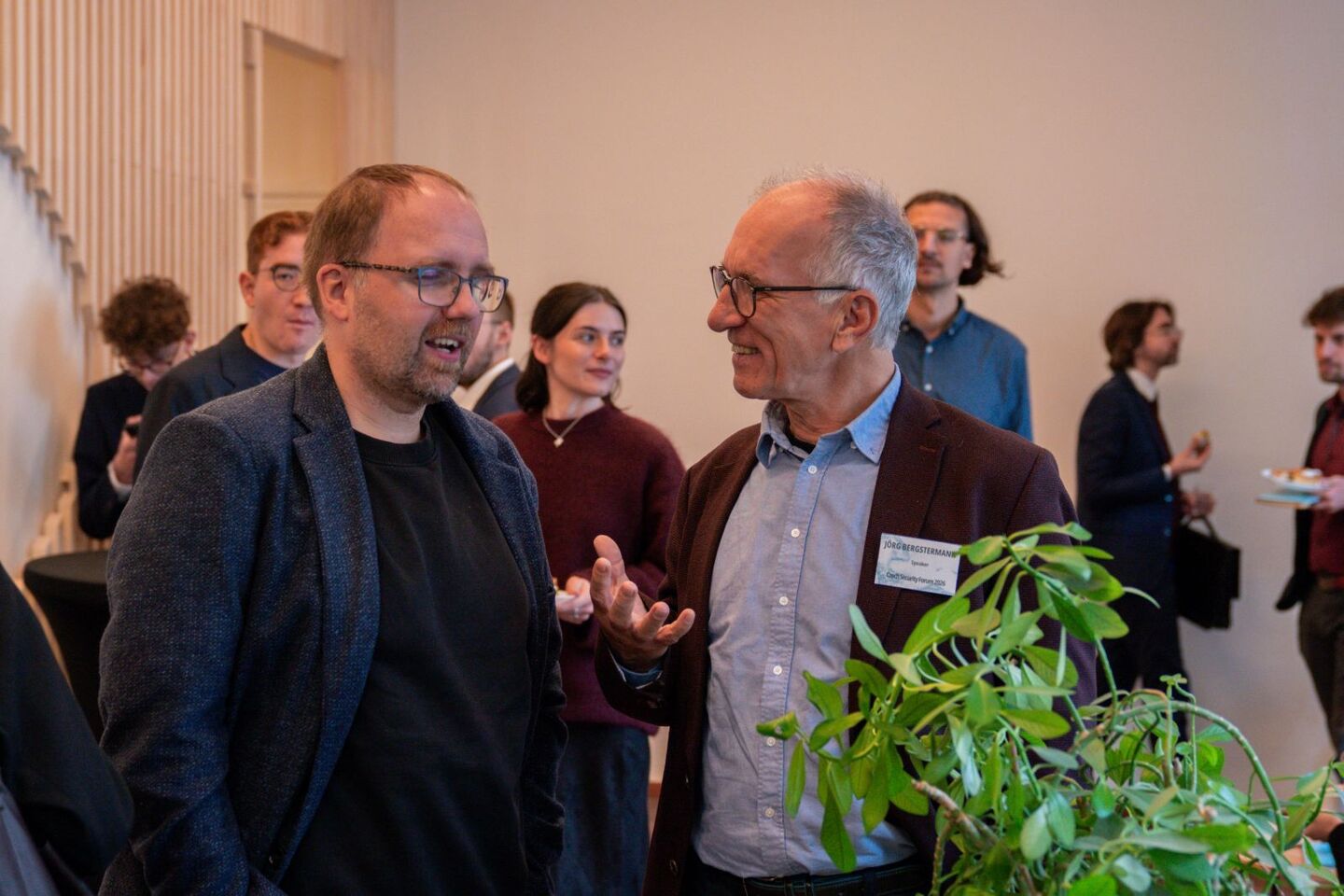
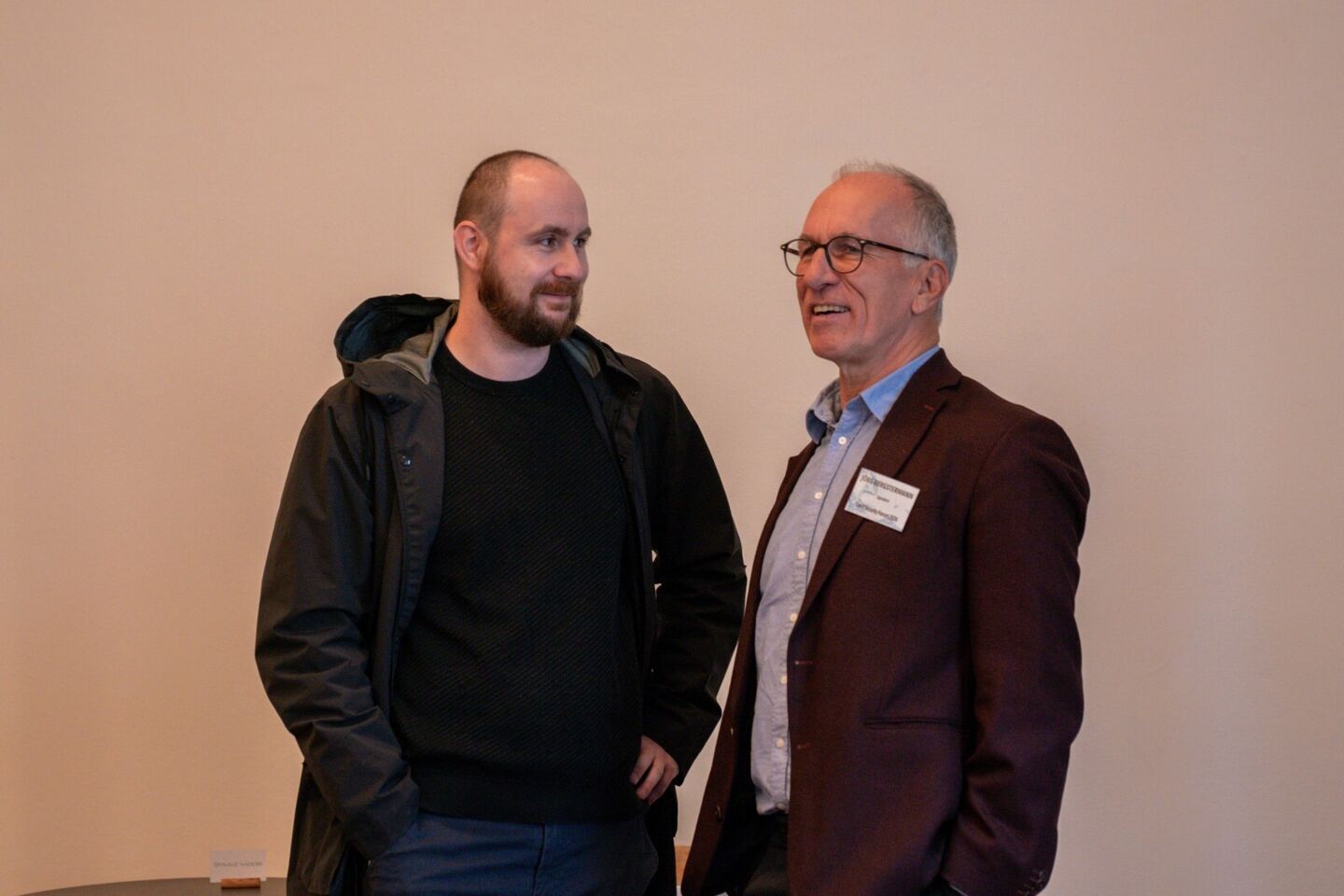
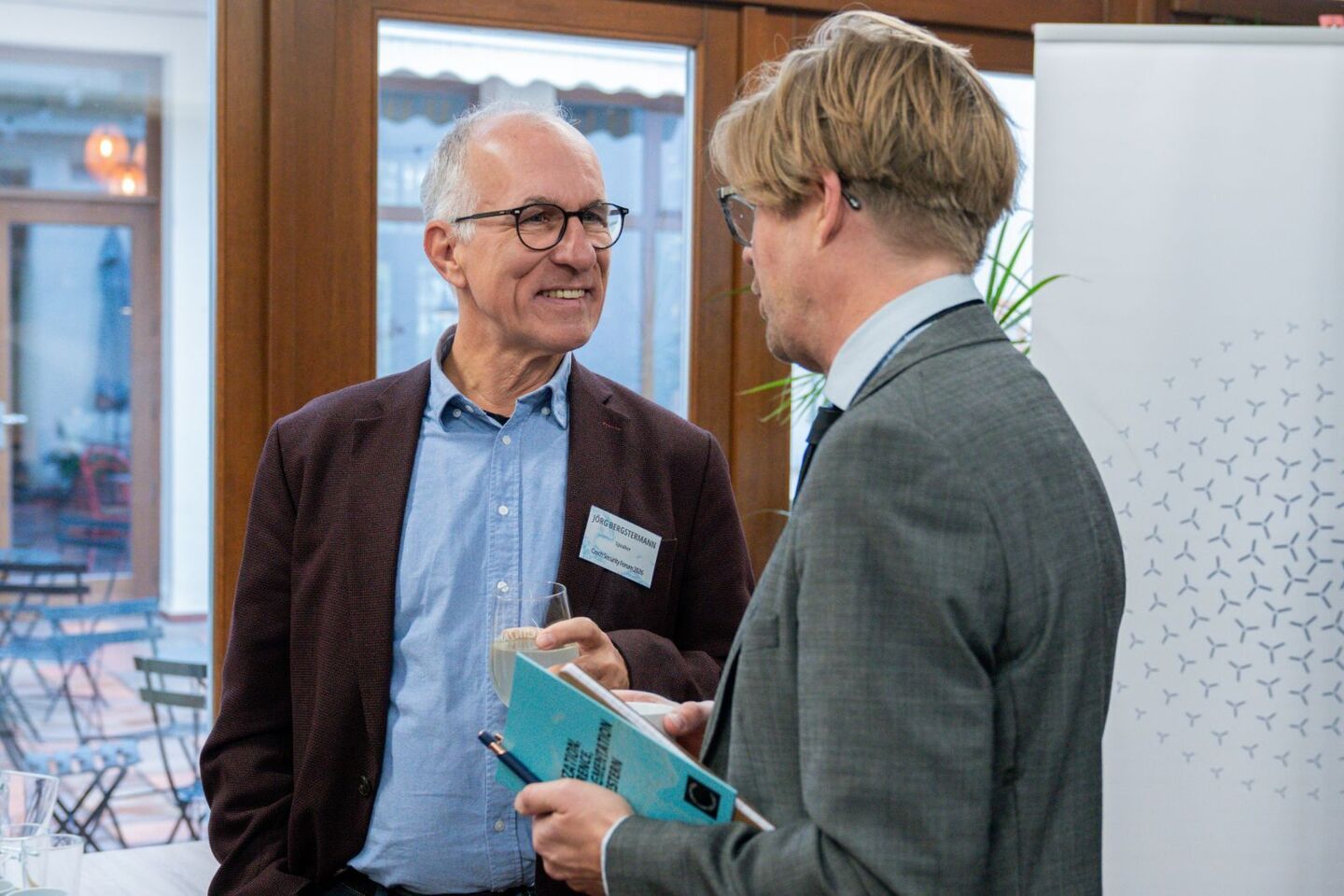
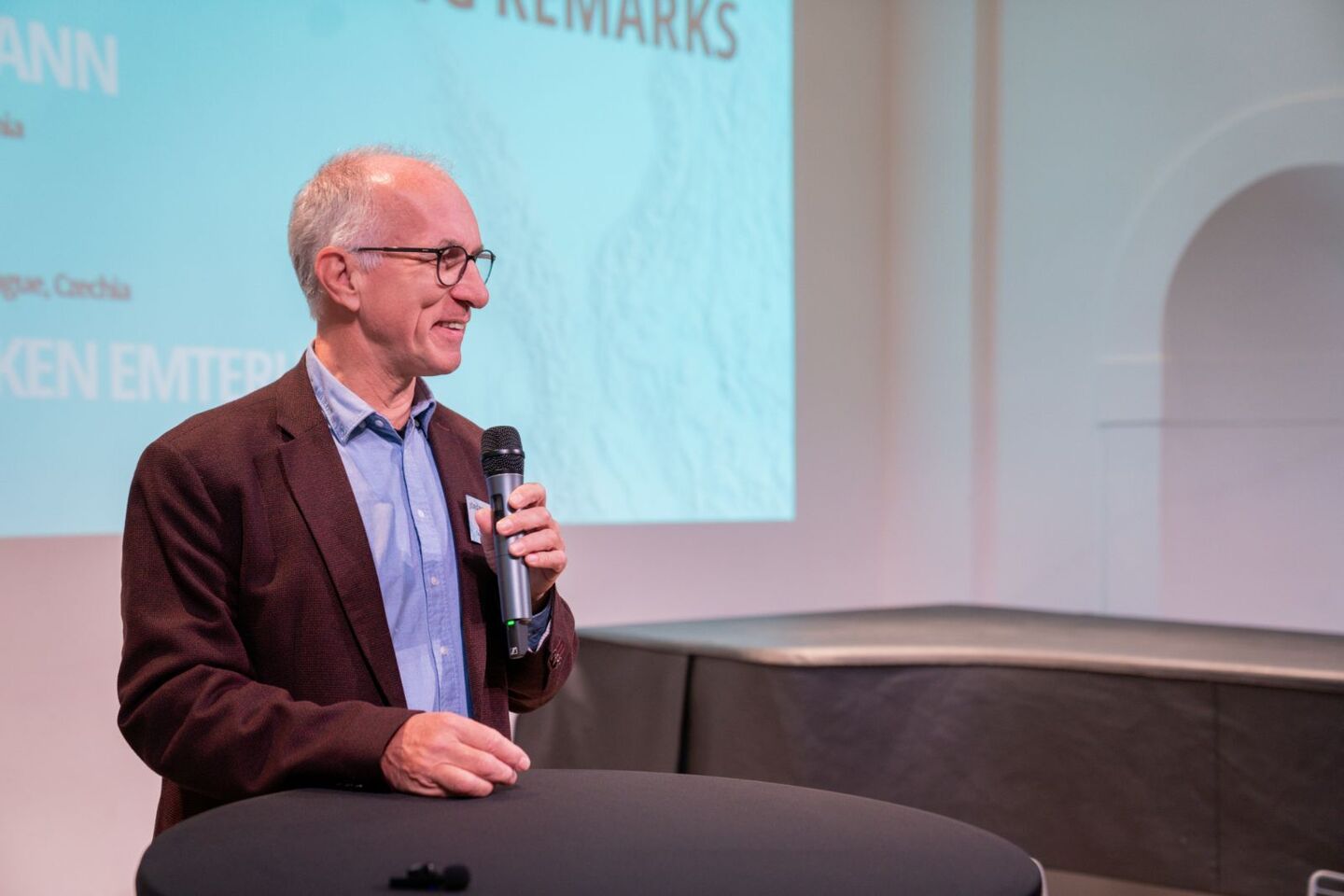
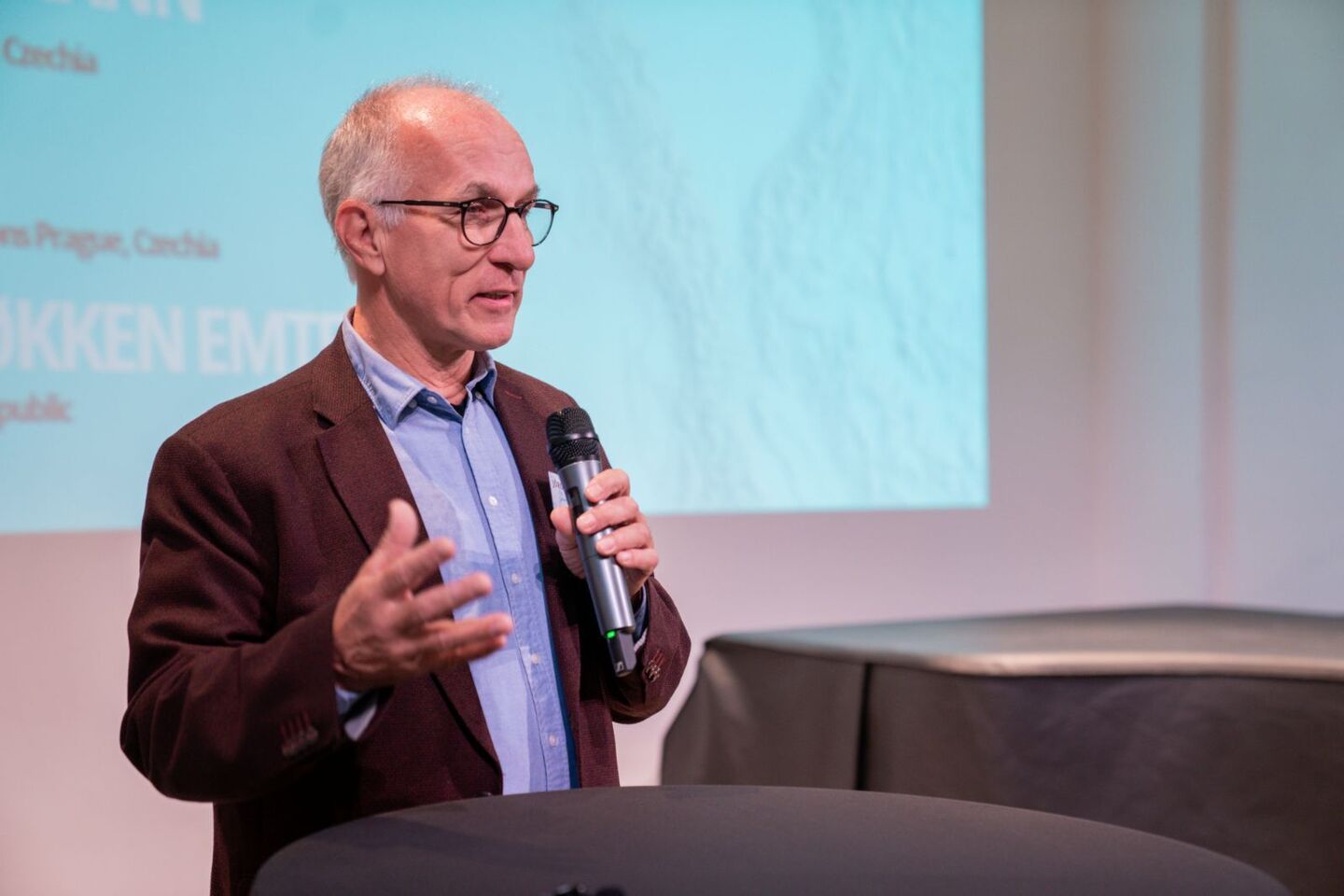
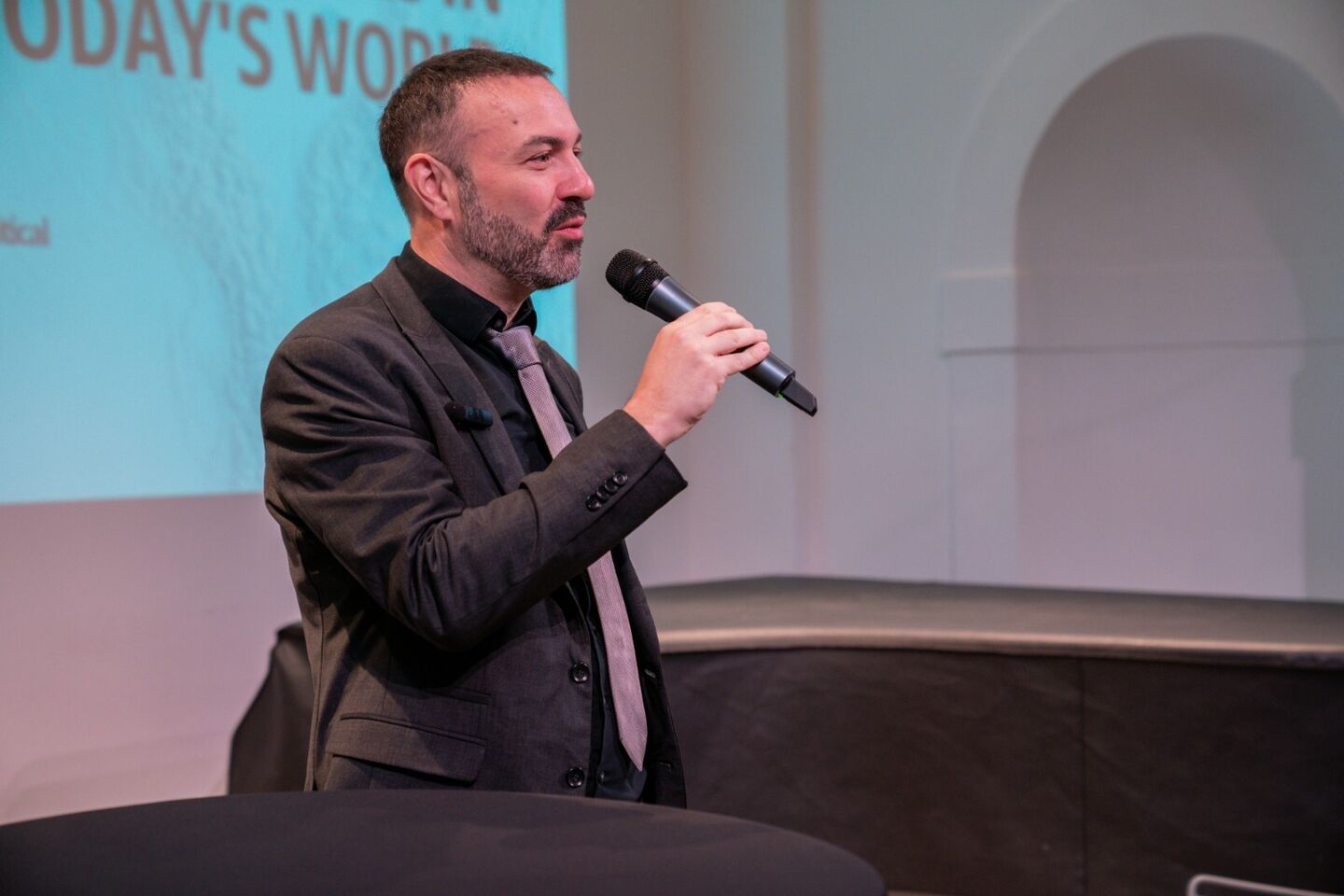
The opening session was complemented by Jörg Bergsterman, Director of Friedrich-Ebert-Stiftung Prague, who focused on the broader transformation of the global order. He raised the question of how cohesive today’s alliances remain and whether the current geopolitical turbulence should be understood primarily as a test of their long-term stability.
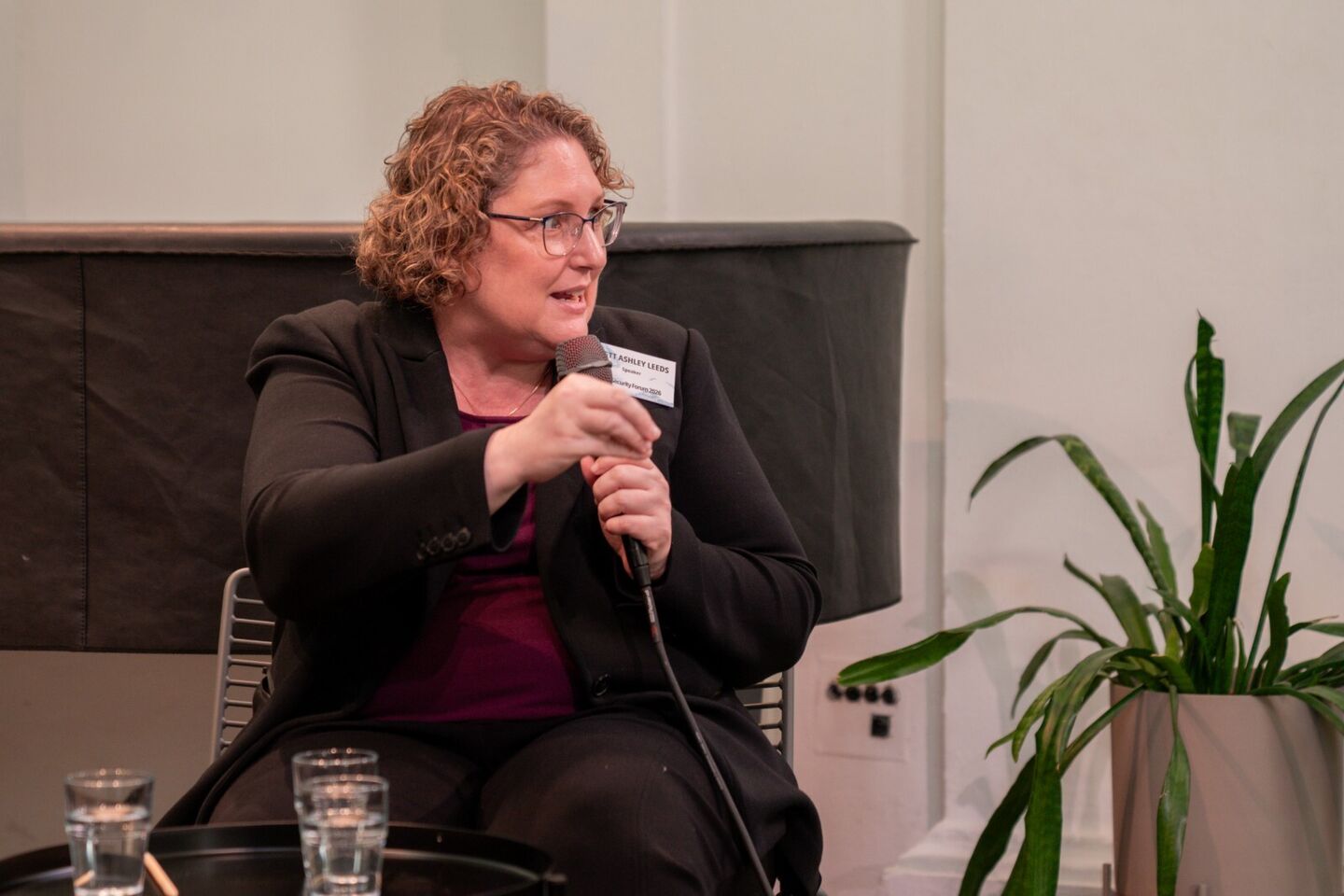
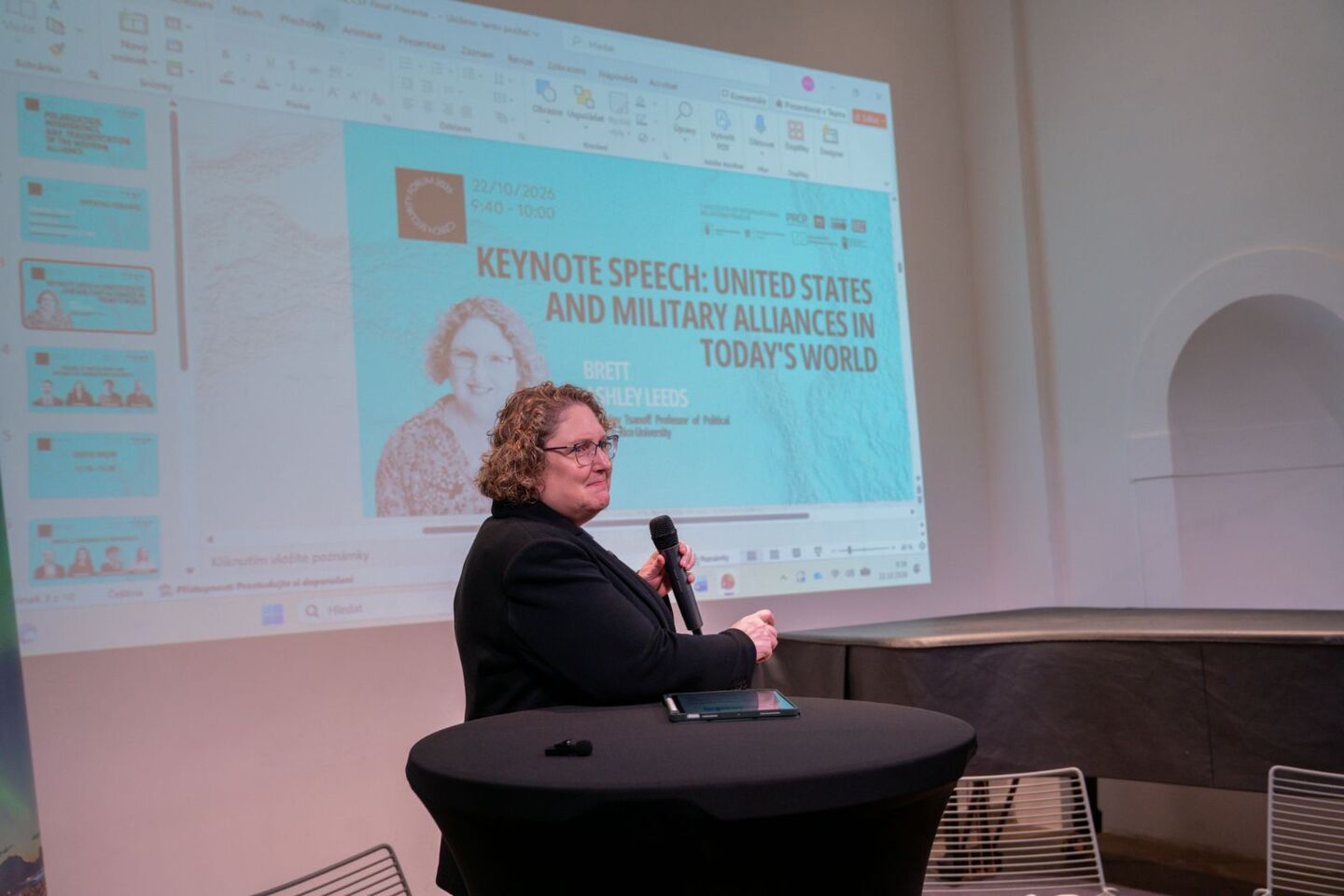
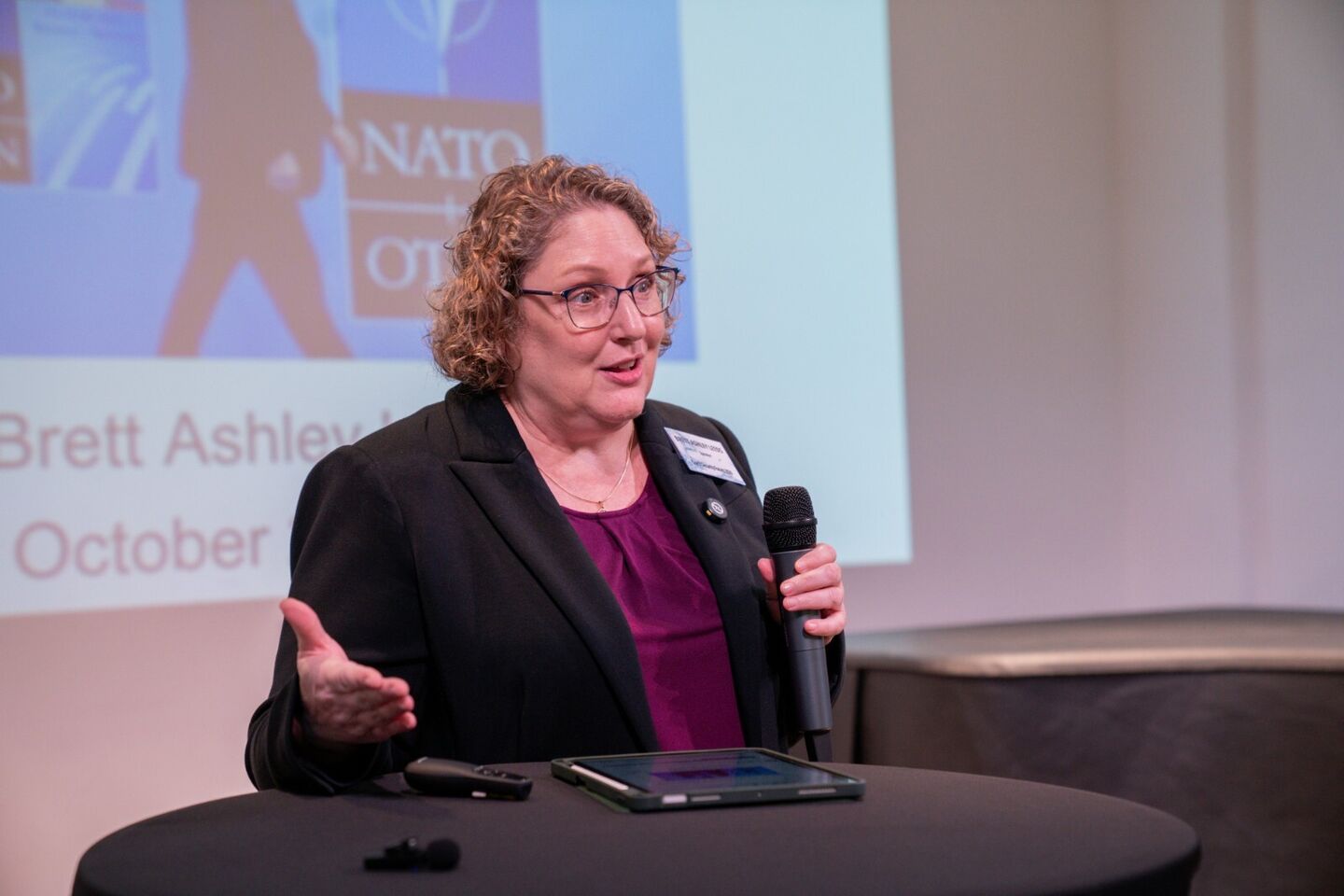
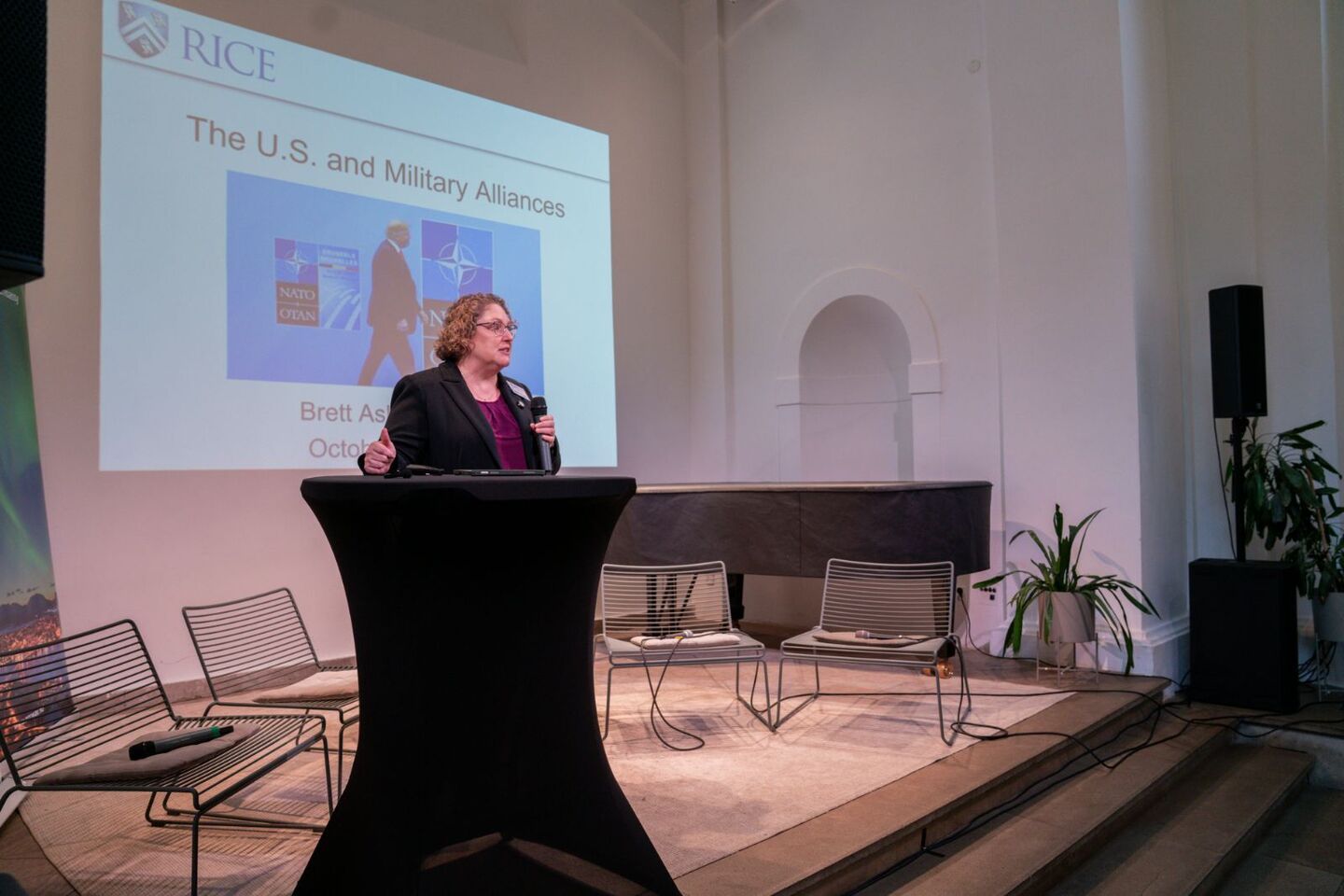
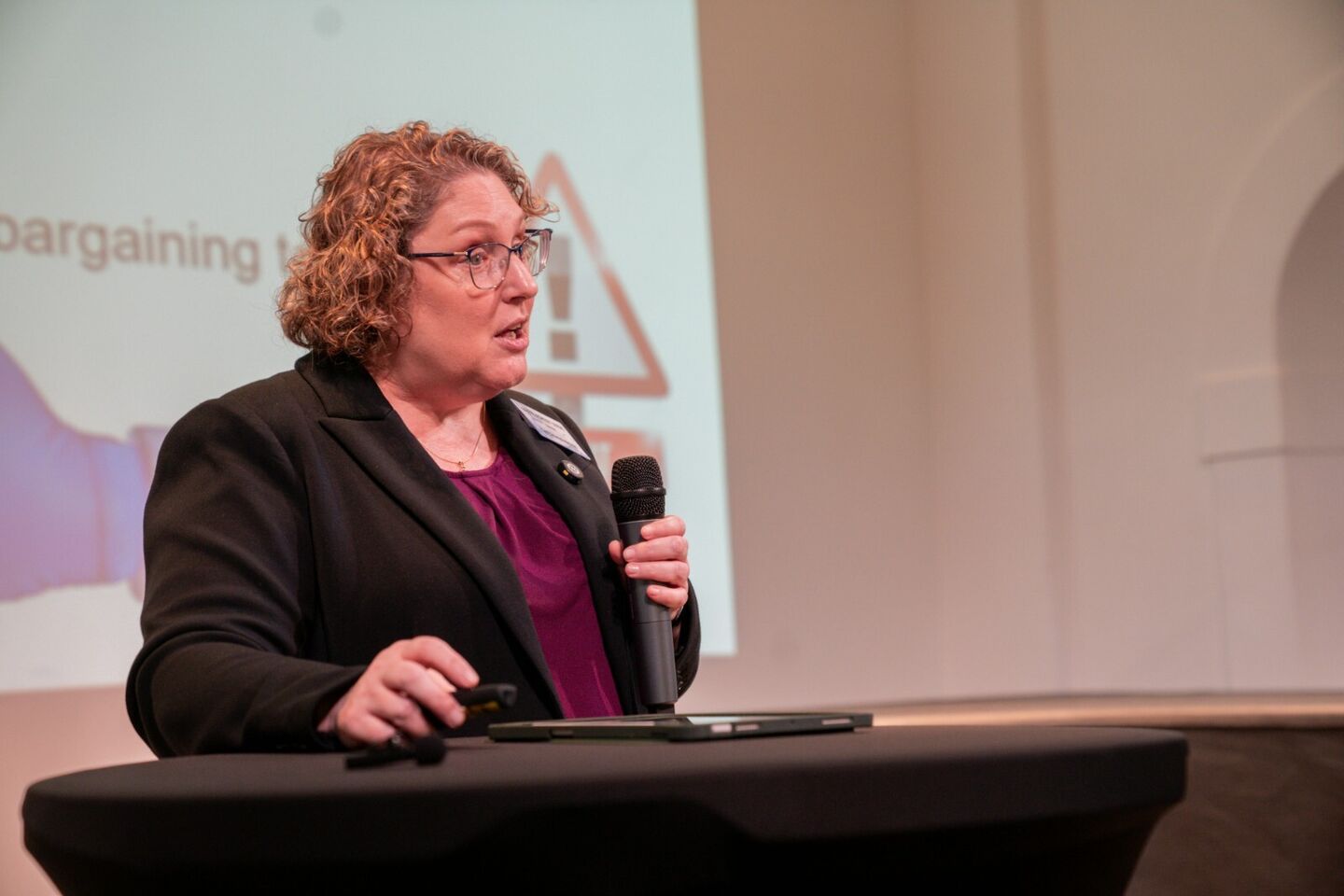
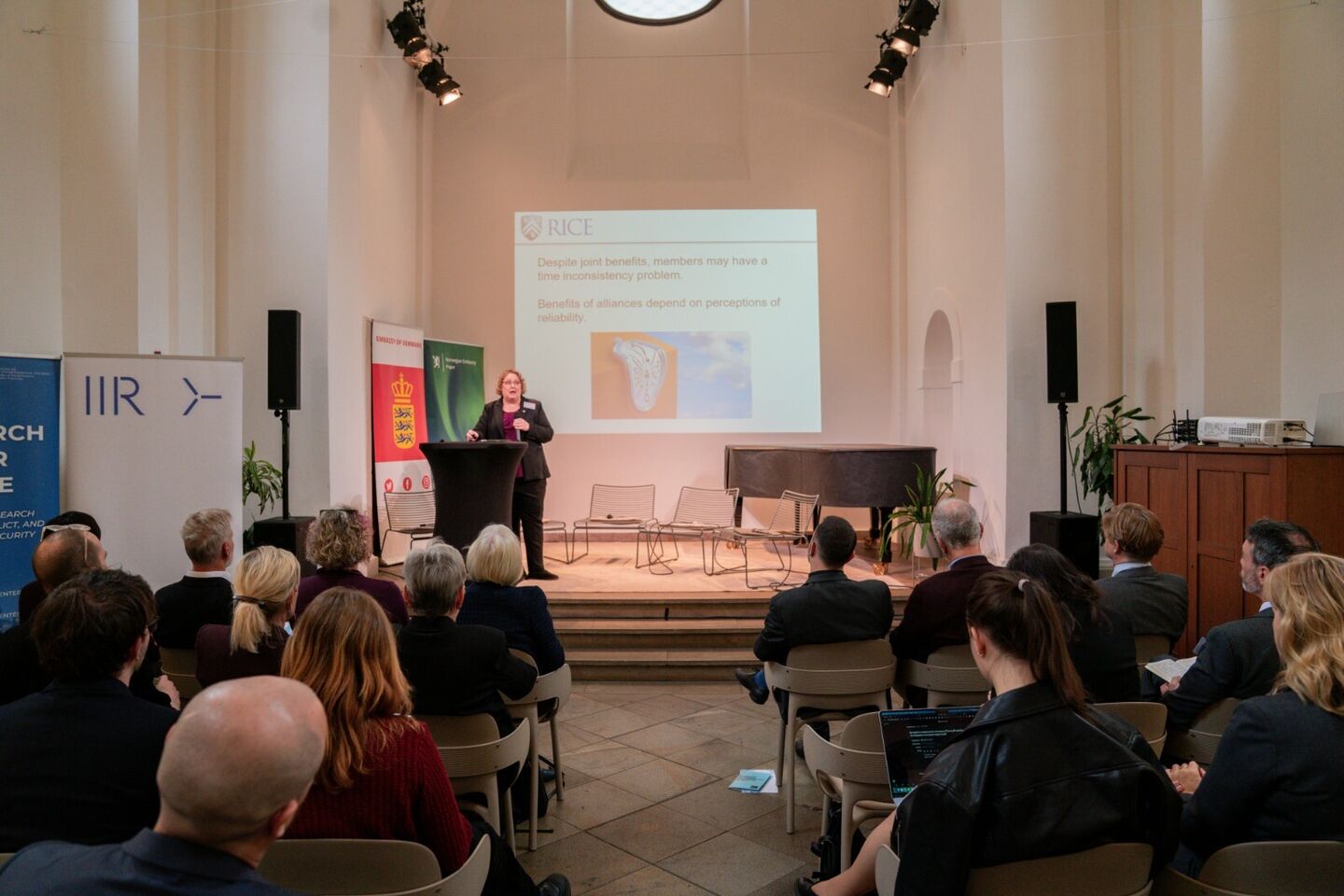
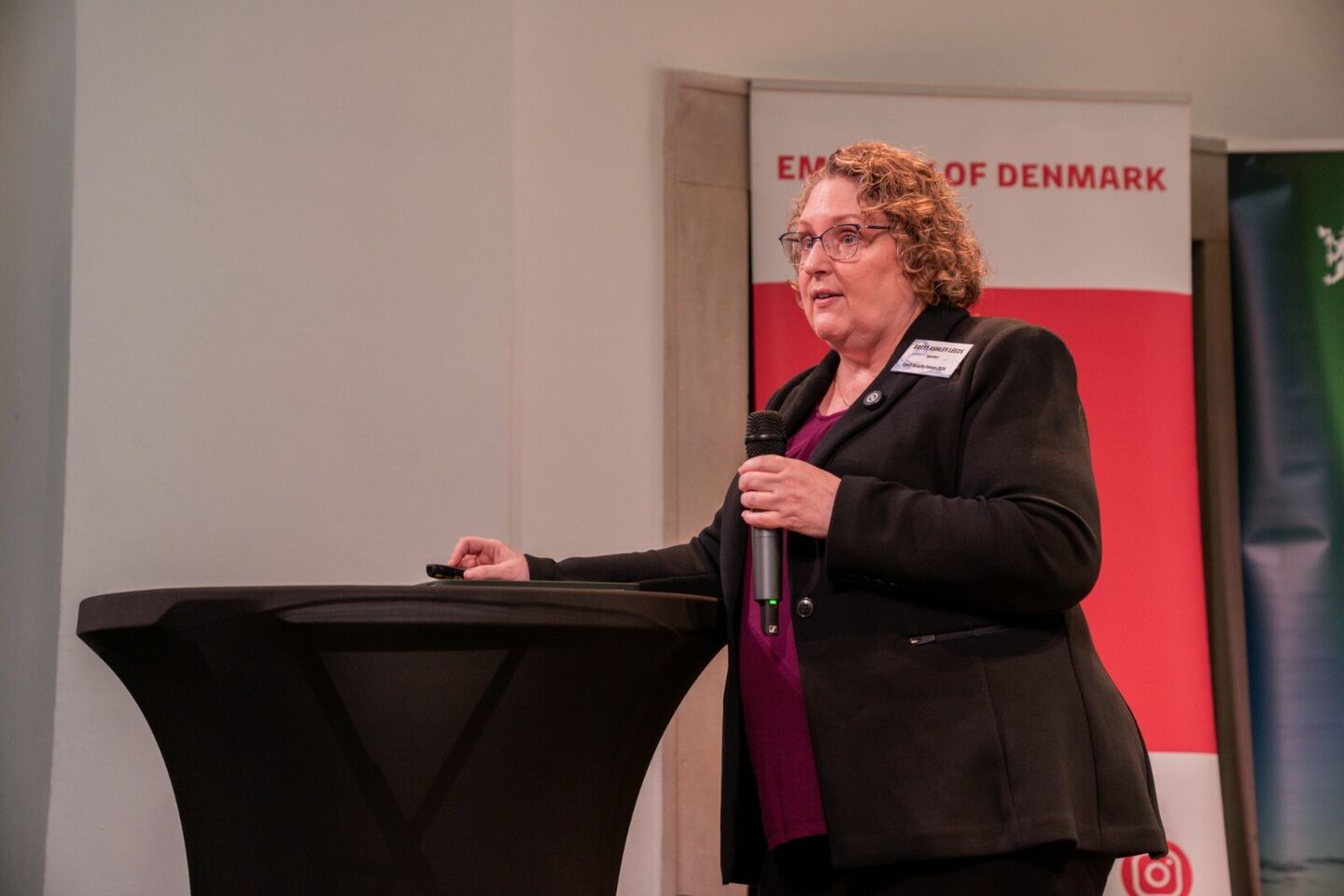
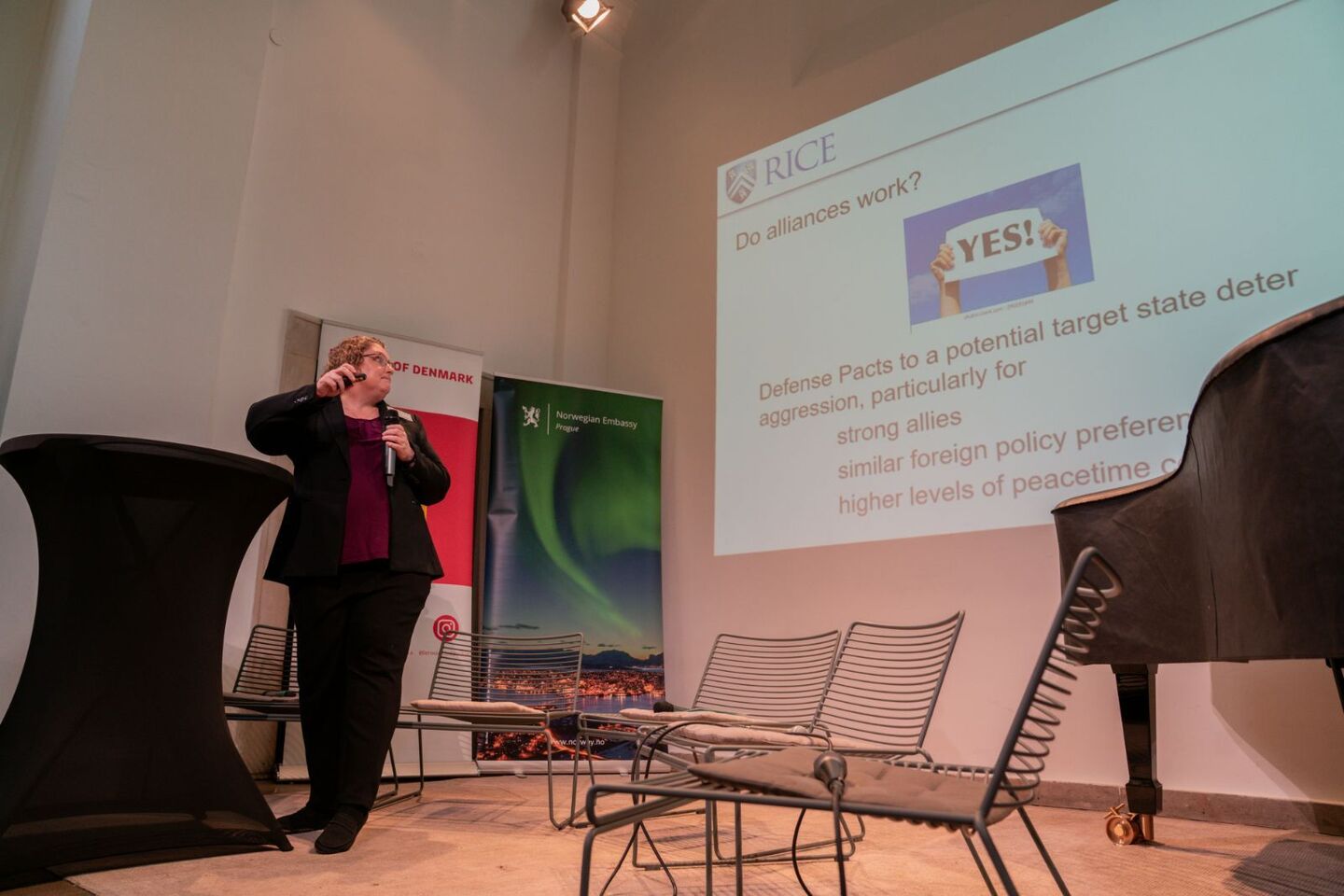
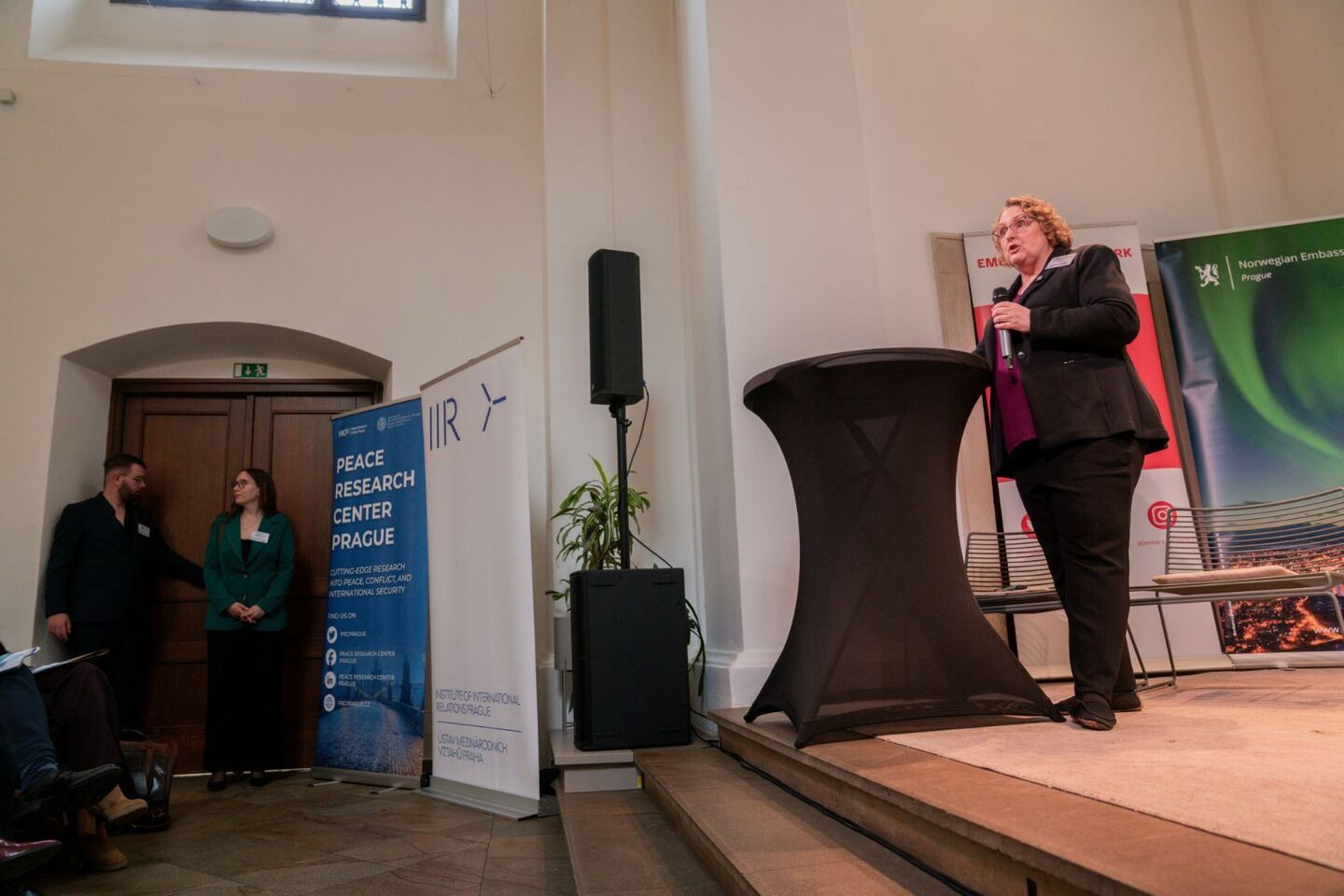
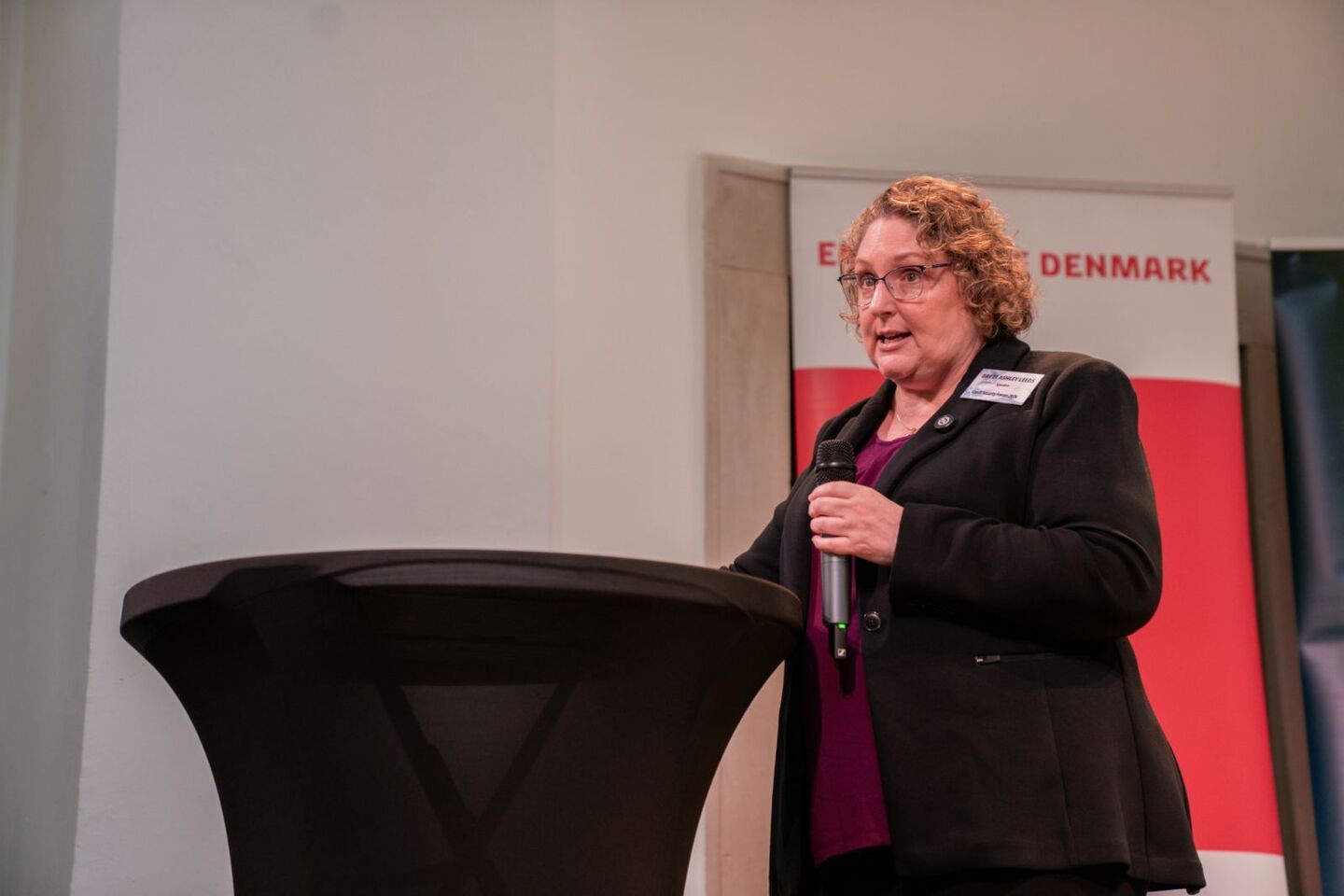
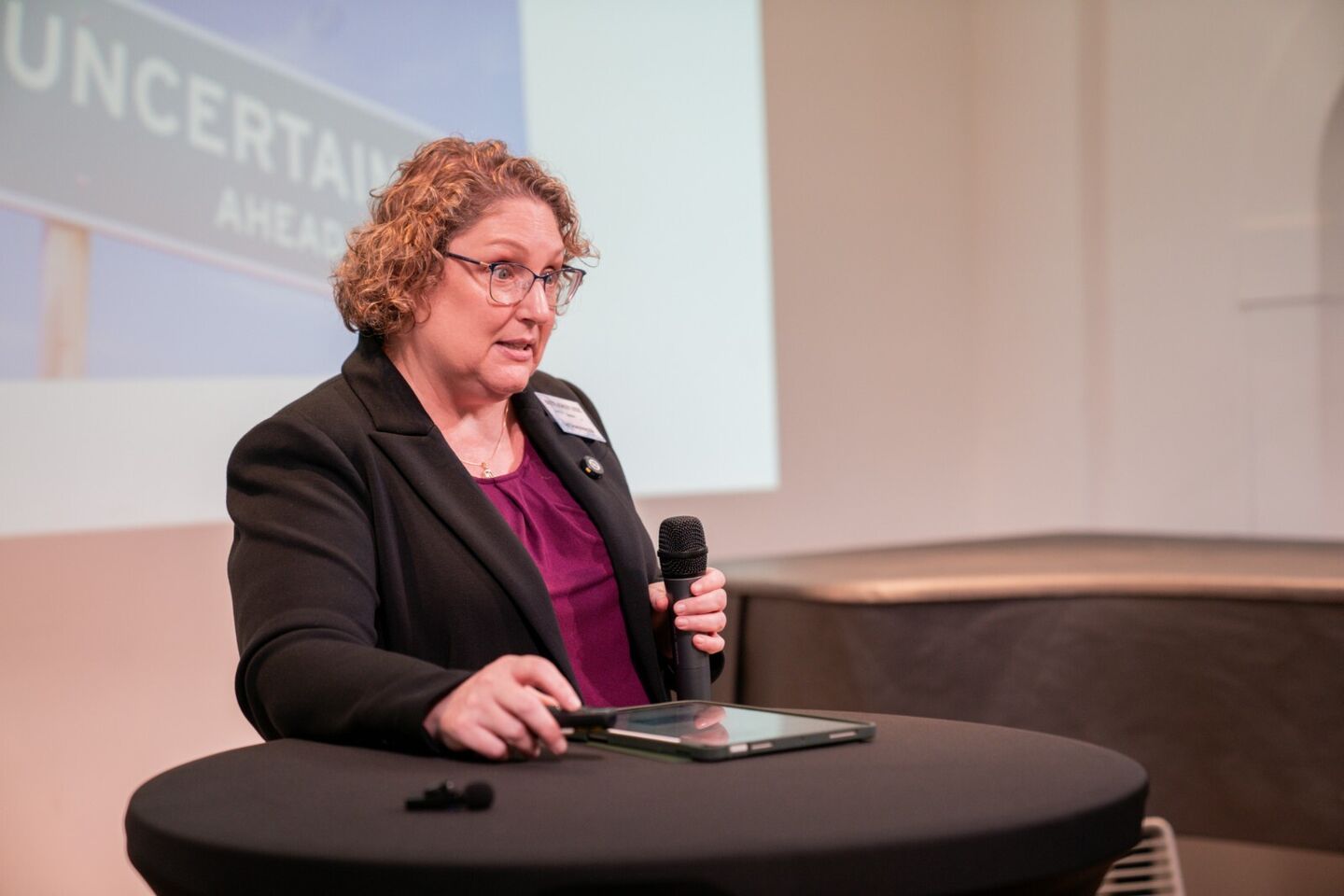
The keynote address was delivered by Brett Ashley Leeds, Professor at Rice University and an expert on military alliances, who shifted the focus towards what the United States itself gains from its extensive network of alliances. She stressed that alliances are not merely commitments to mutual defence, but also an important source of US political influence, bargaining power and the ability to shape the international environment.
The erosion of confidence in US security commitments therefore represents a significant challenge. If allies begin to question their reliability, they may seek alternative security arrangements, strengthen their own capabilities or pursue greater strategic autonomy. Leeds also emphasised that the United States has for decades been one of the principal beneficiaries of the alliance system, a fact that, in her view, needs to be communicated more effectively to the American public.
NATO and the Future of European Security
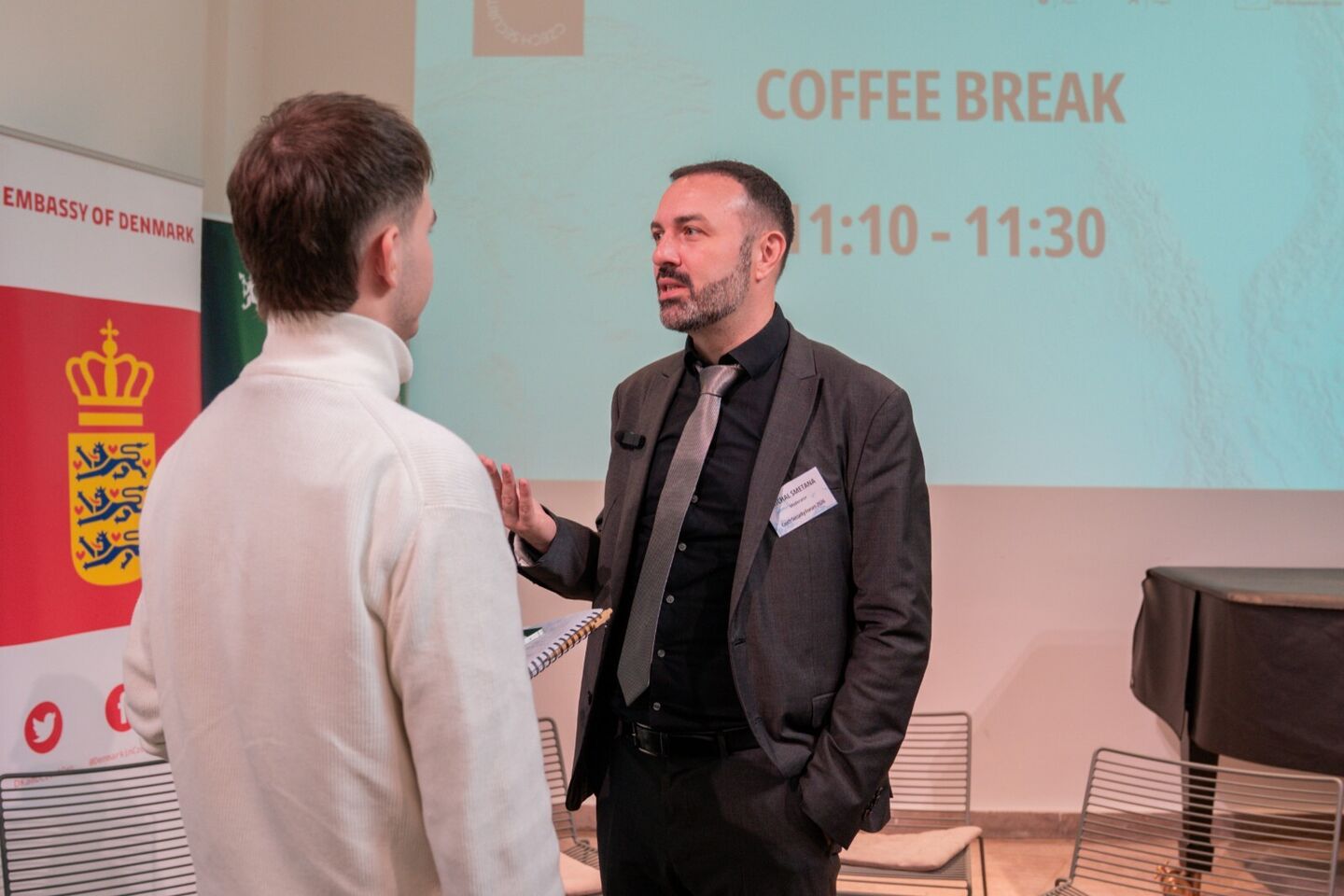
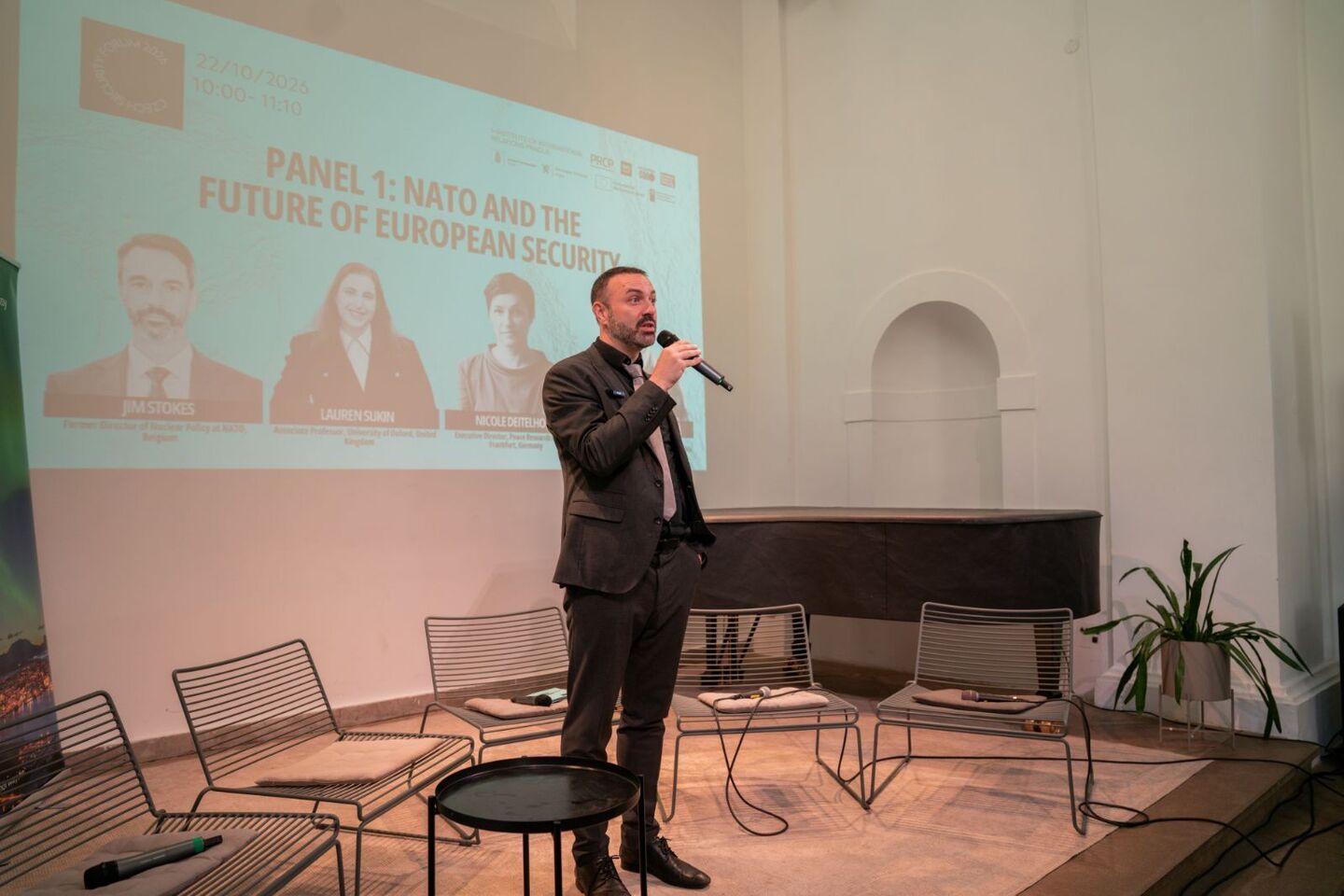
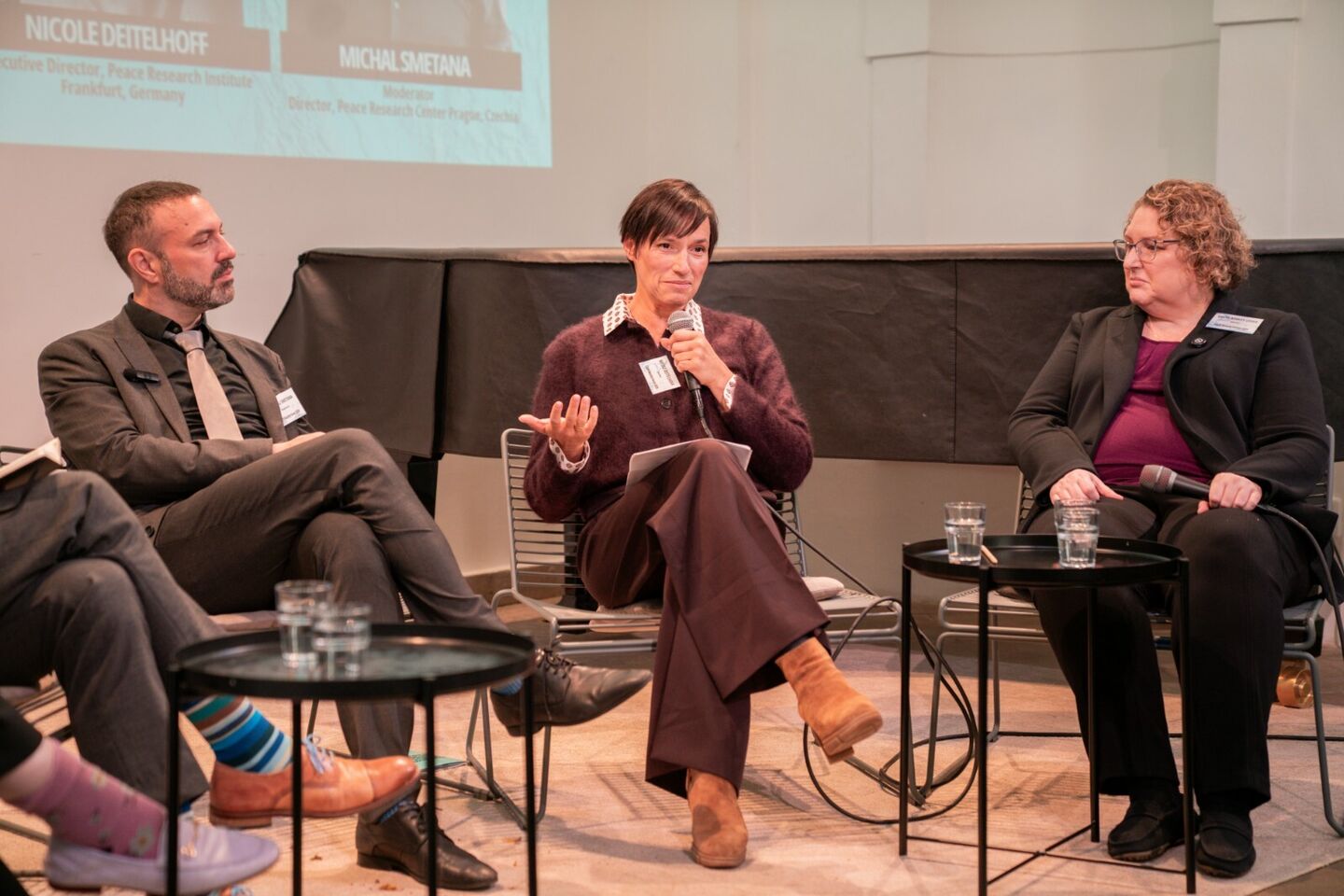
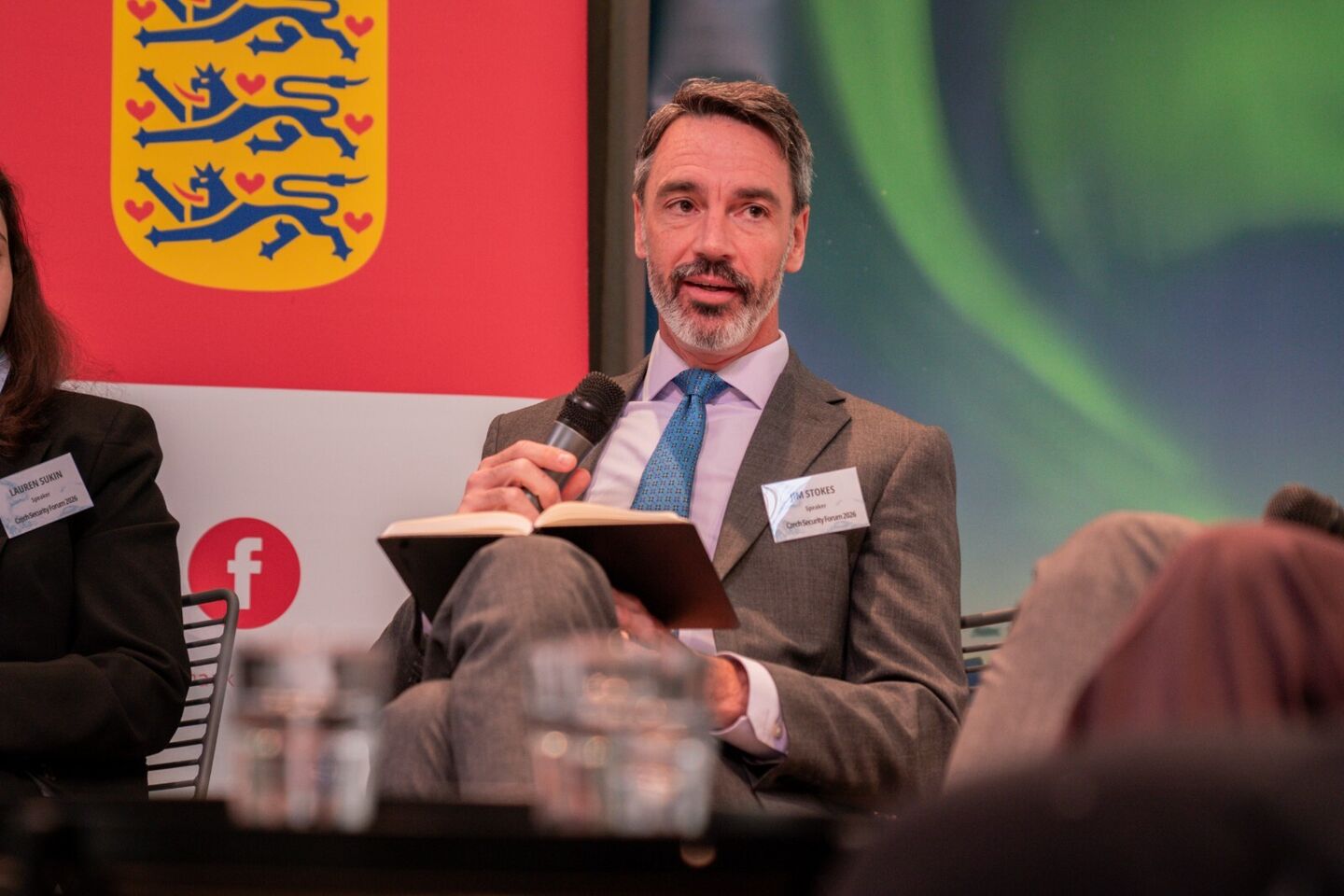
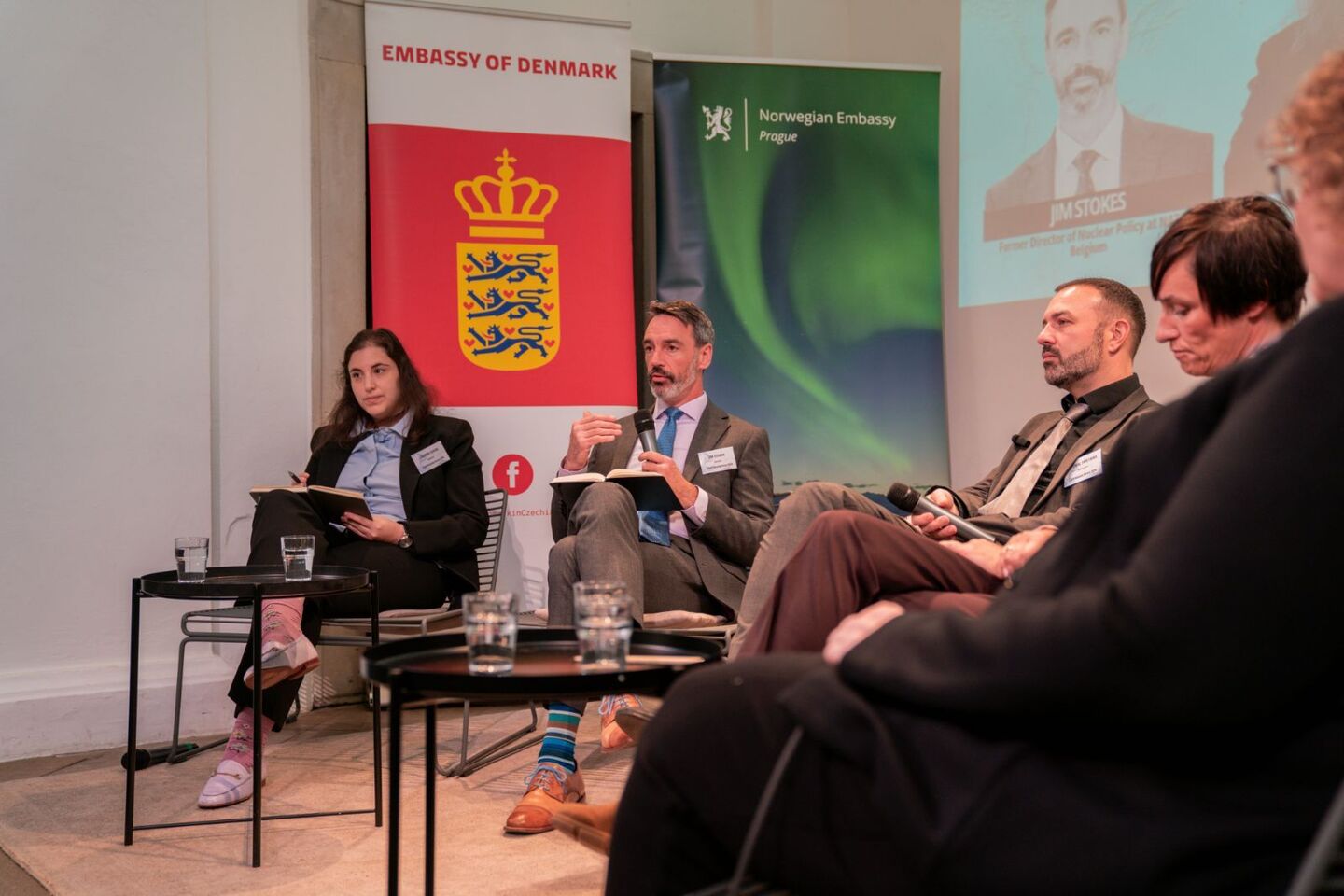
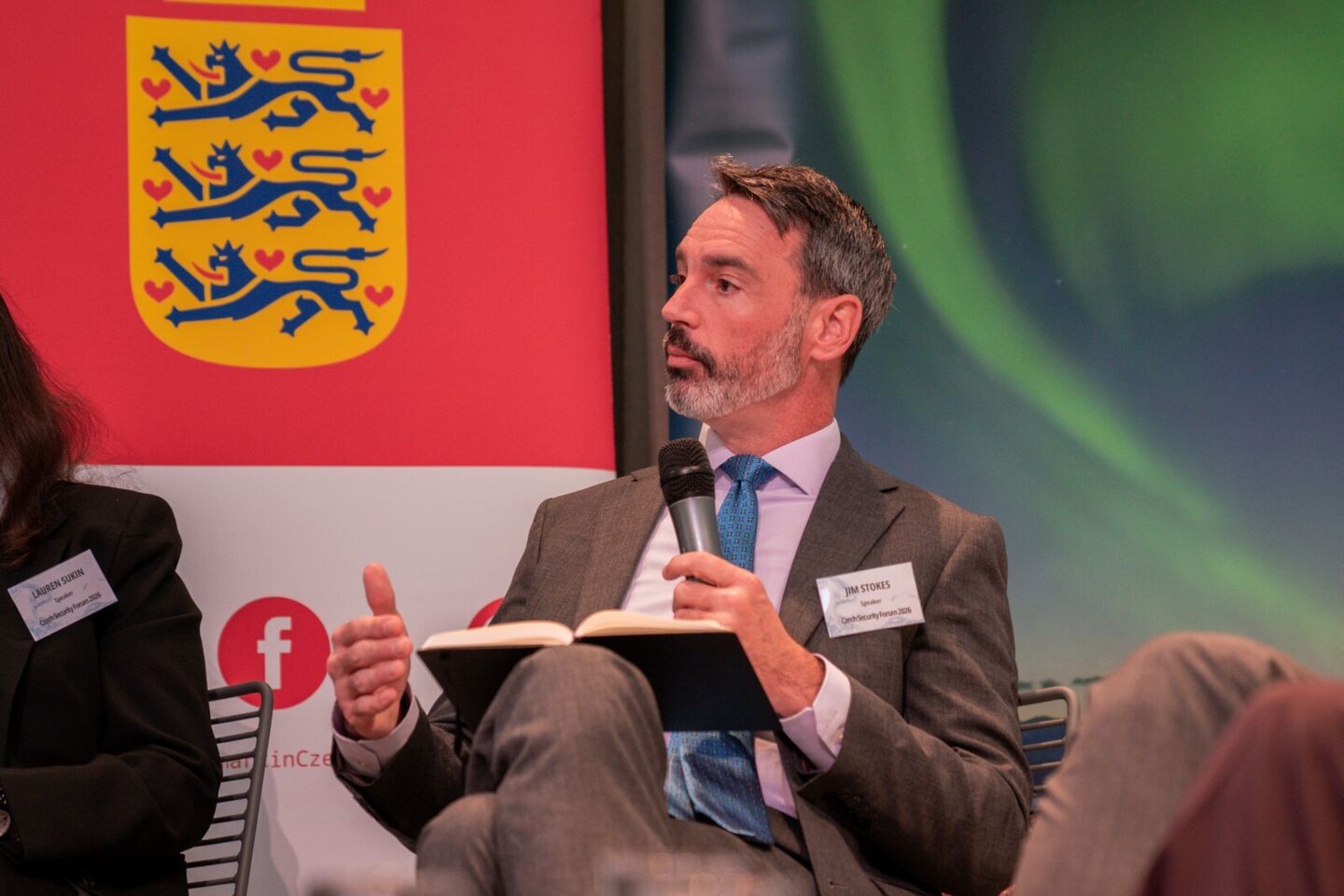
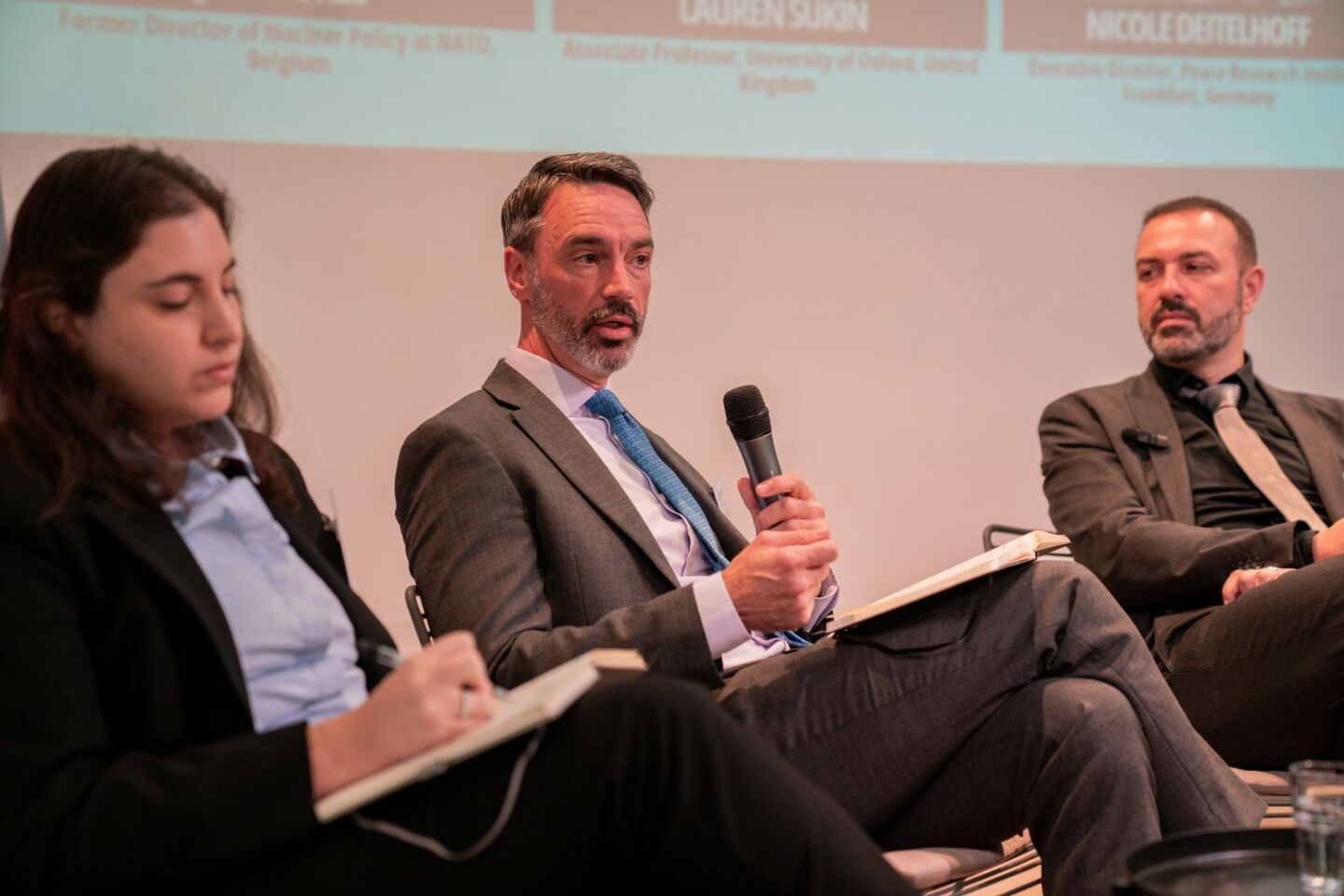
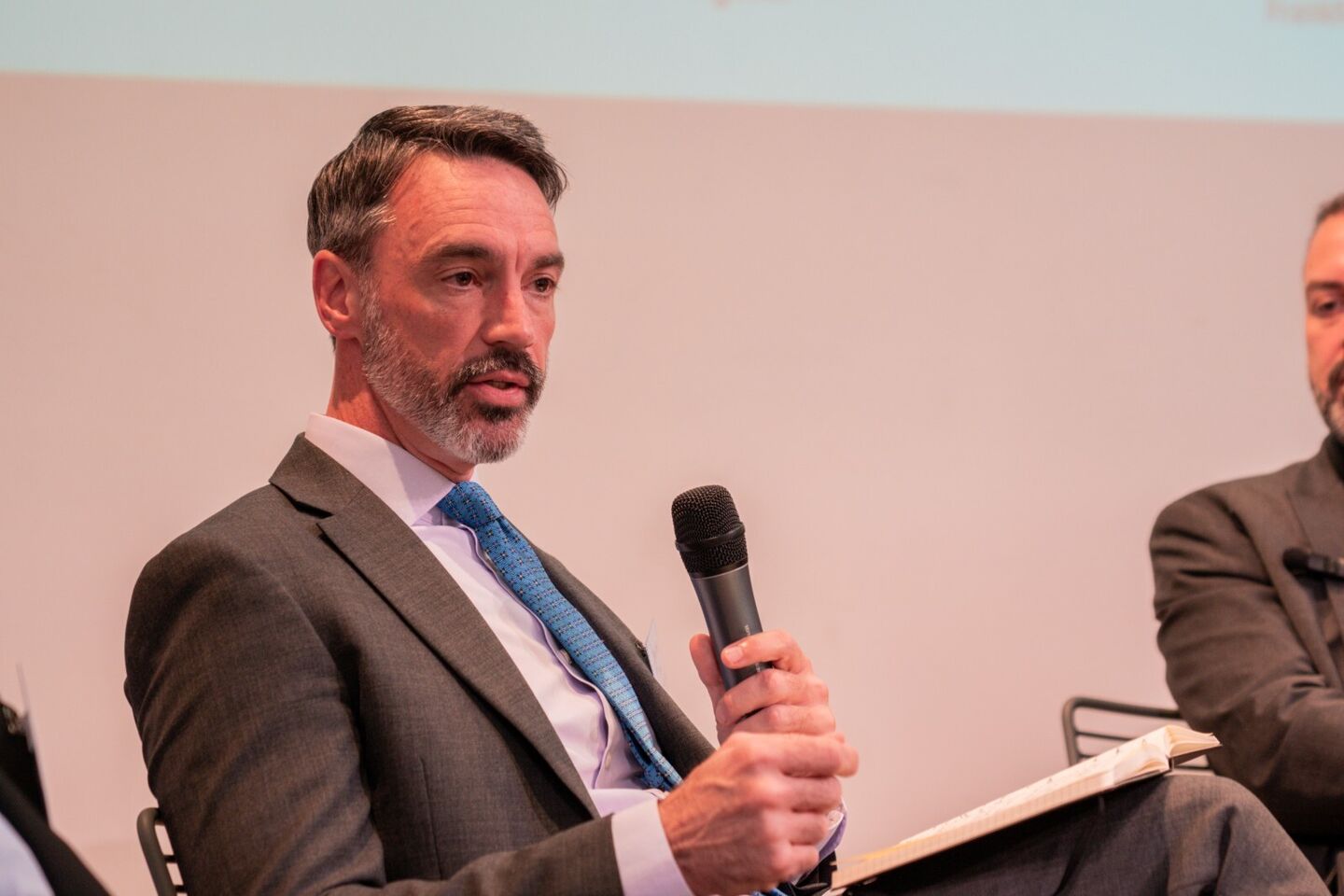
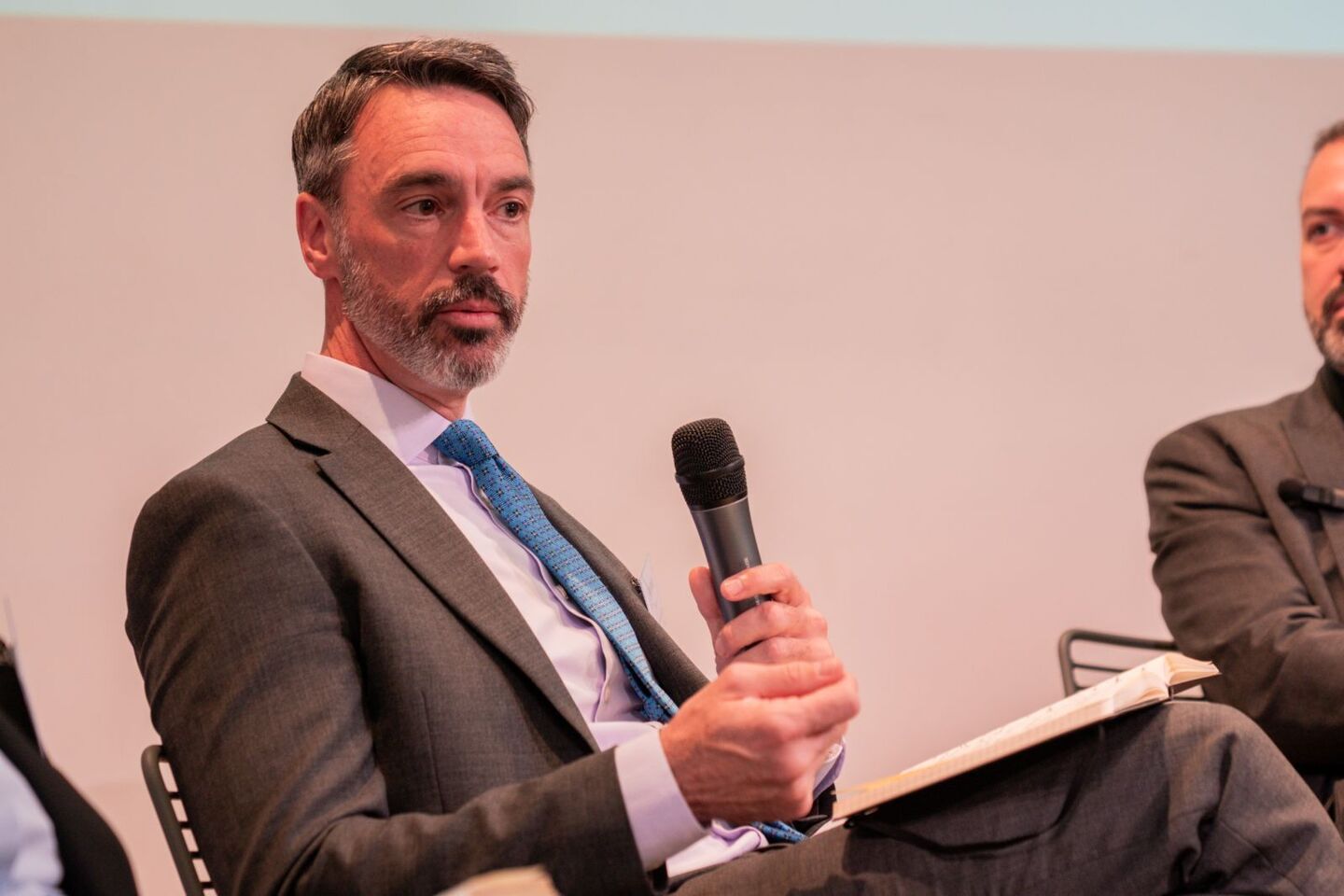
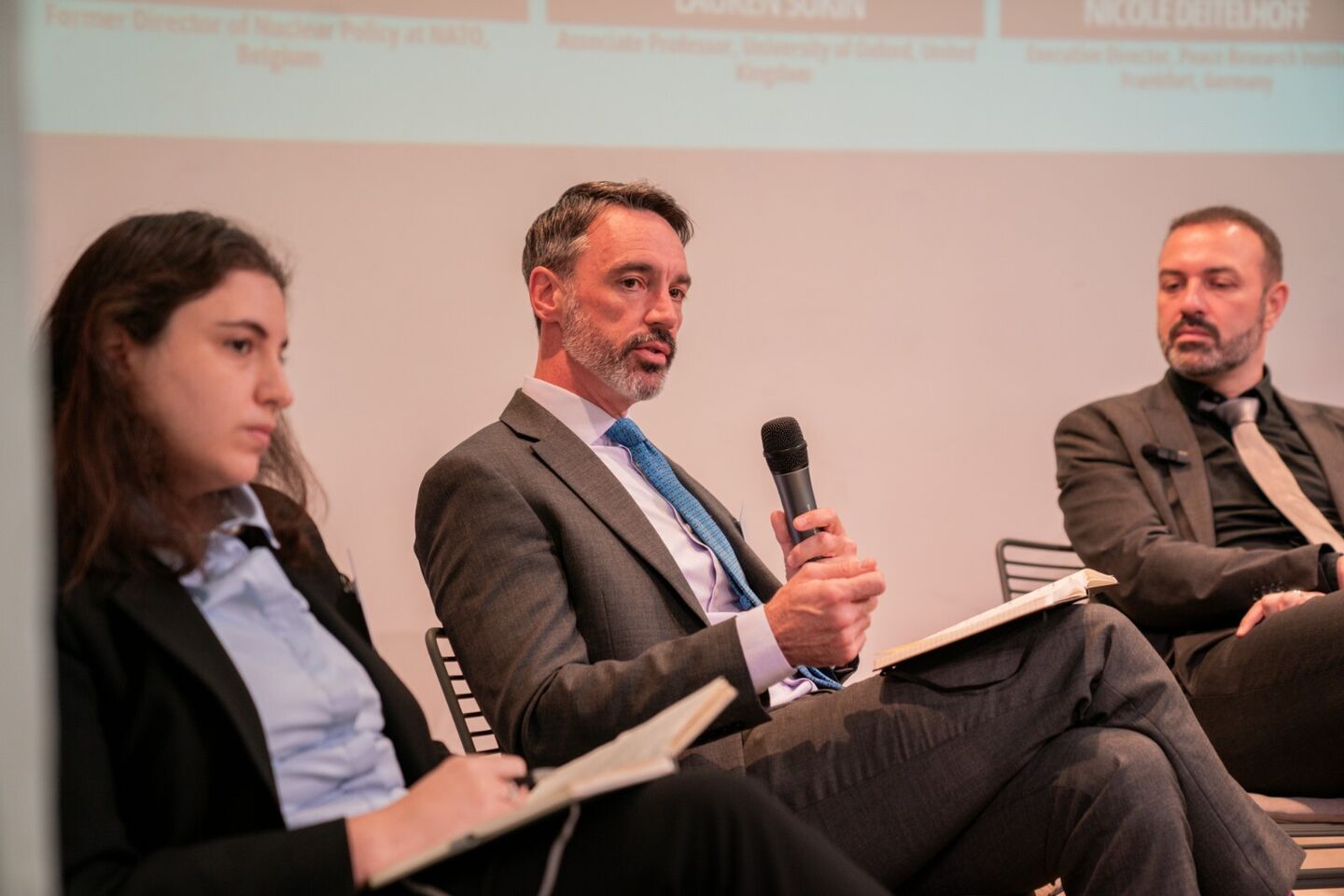
The keynote was followed by the first panel discussion, which addressed the future of NATO and Europe’s ability to assume greater responsibility for its own security. The discussion was moderated by Michal Smetana, Director of the Peace Research Center Prague. Jim Stokes, former Director of Nuclear Policy at NATO, offered a practitioner’s perspective on deterrence, the growing threat posed by Russia and the need to strengthen both European defence capabilities and the defence industry.
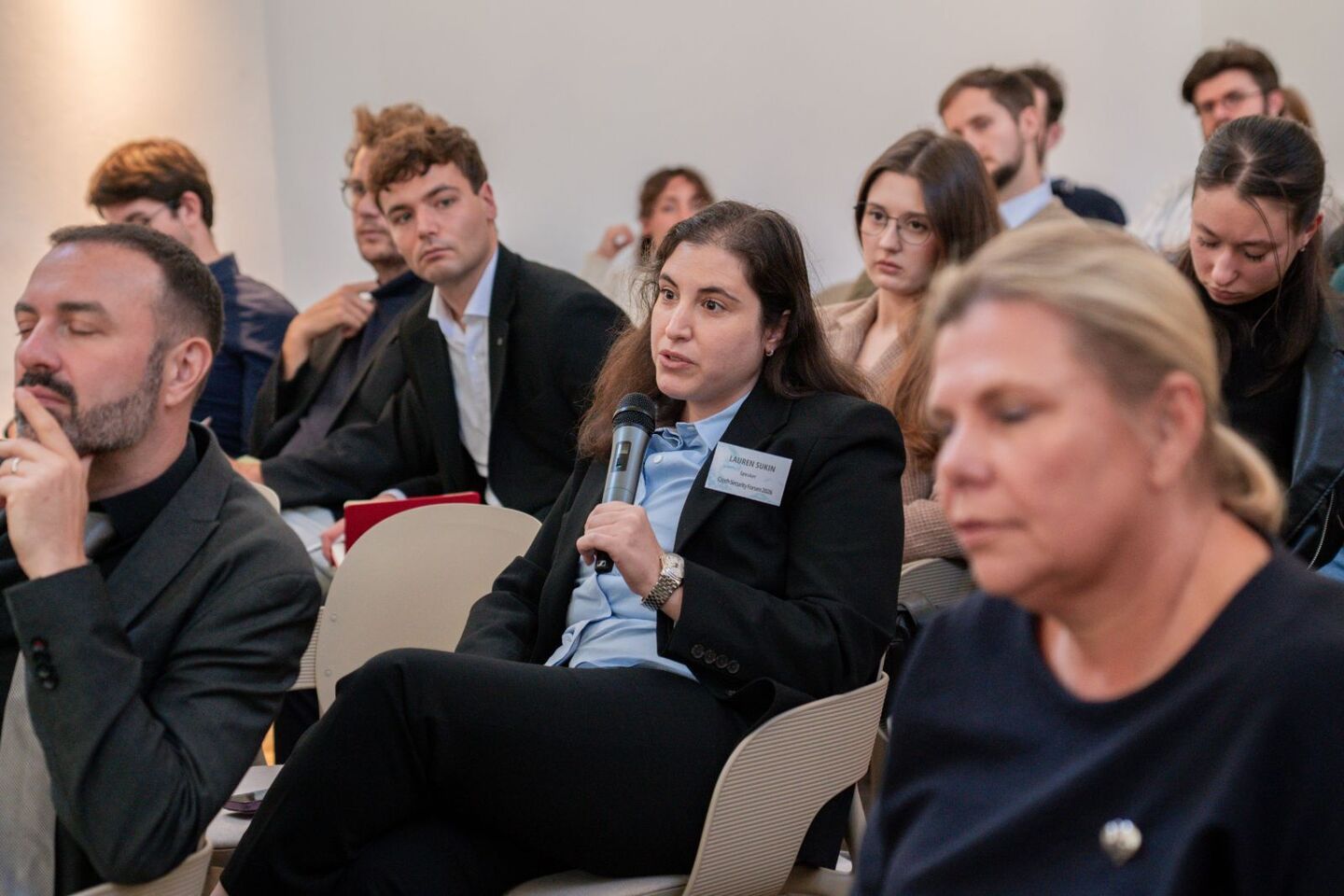
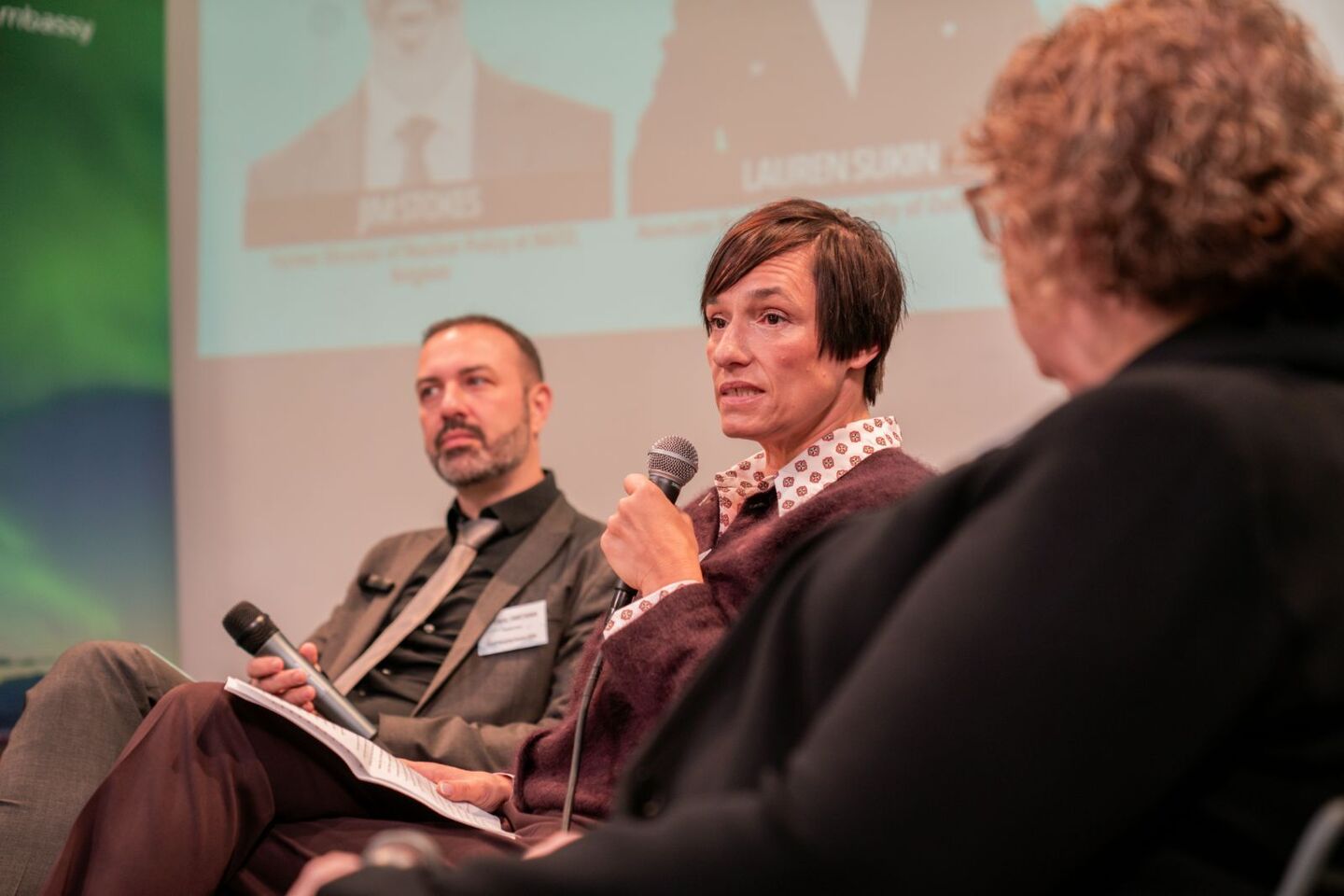
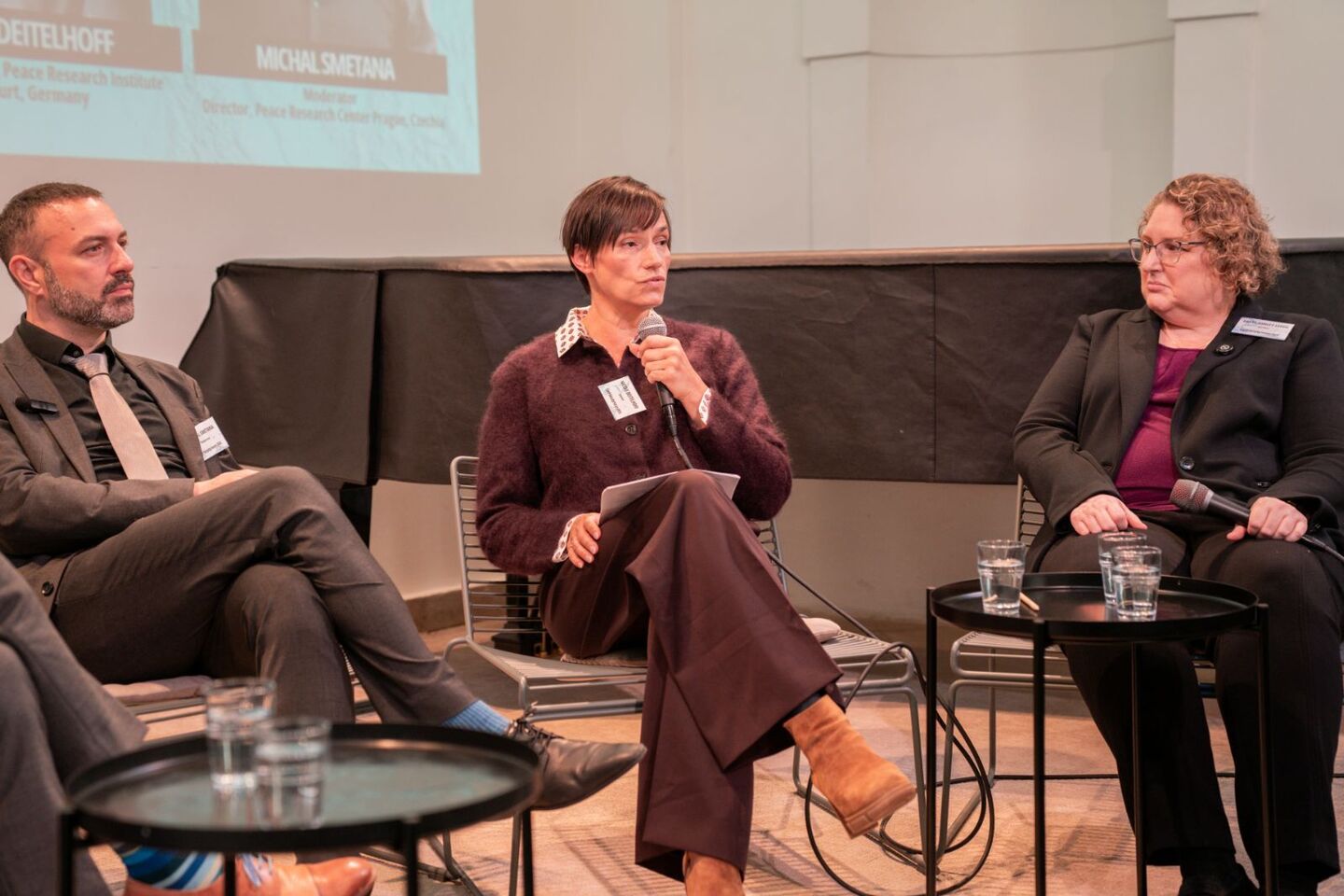
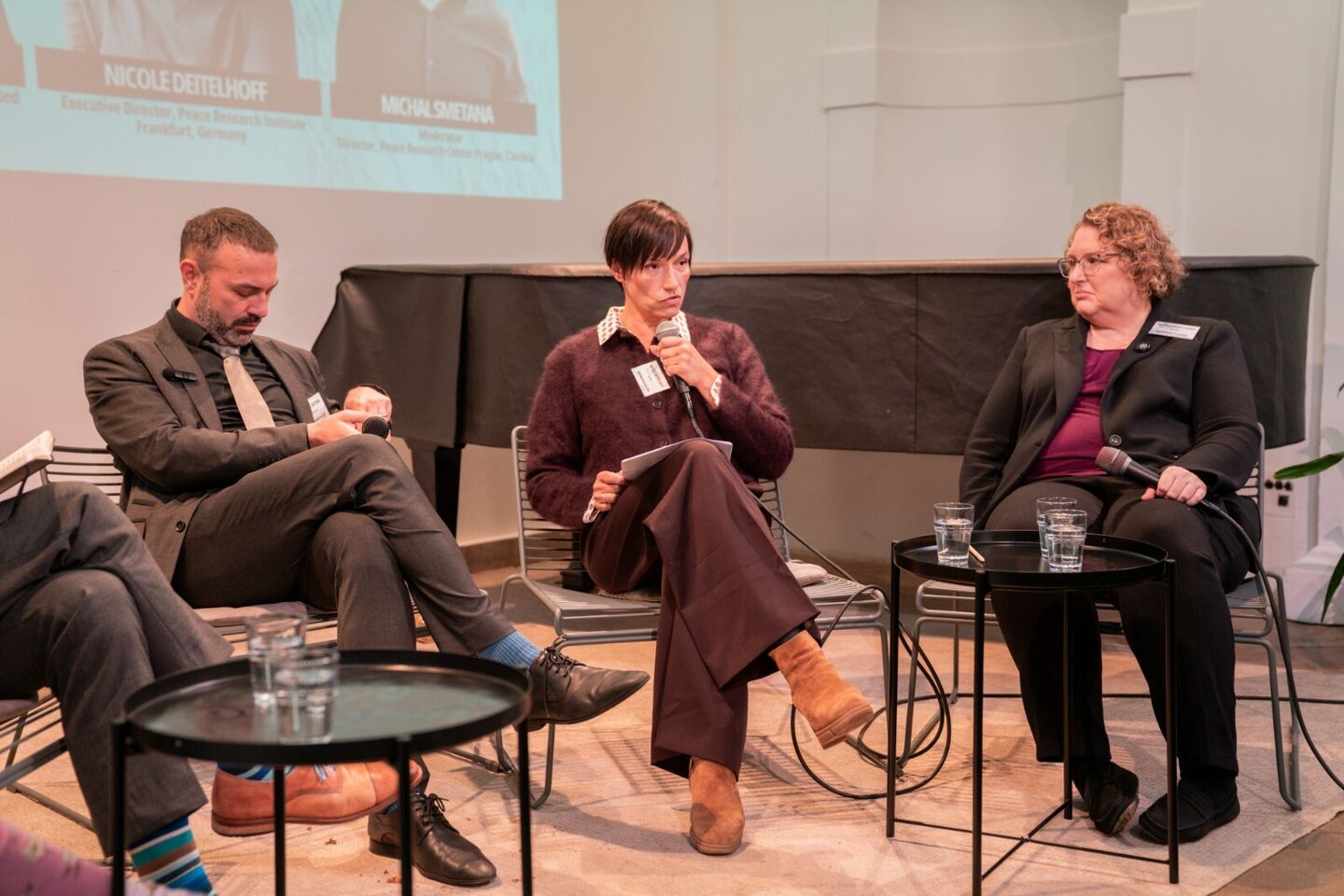
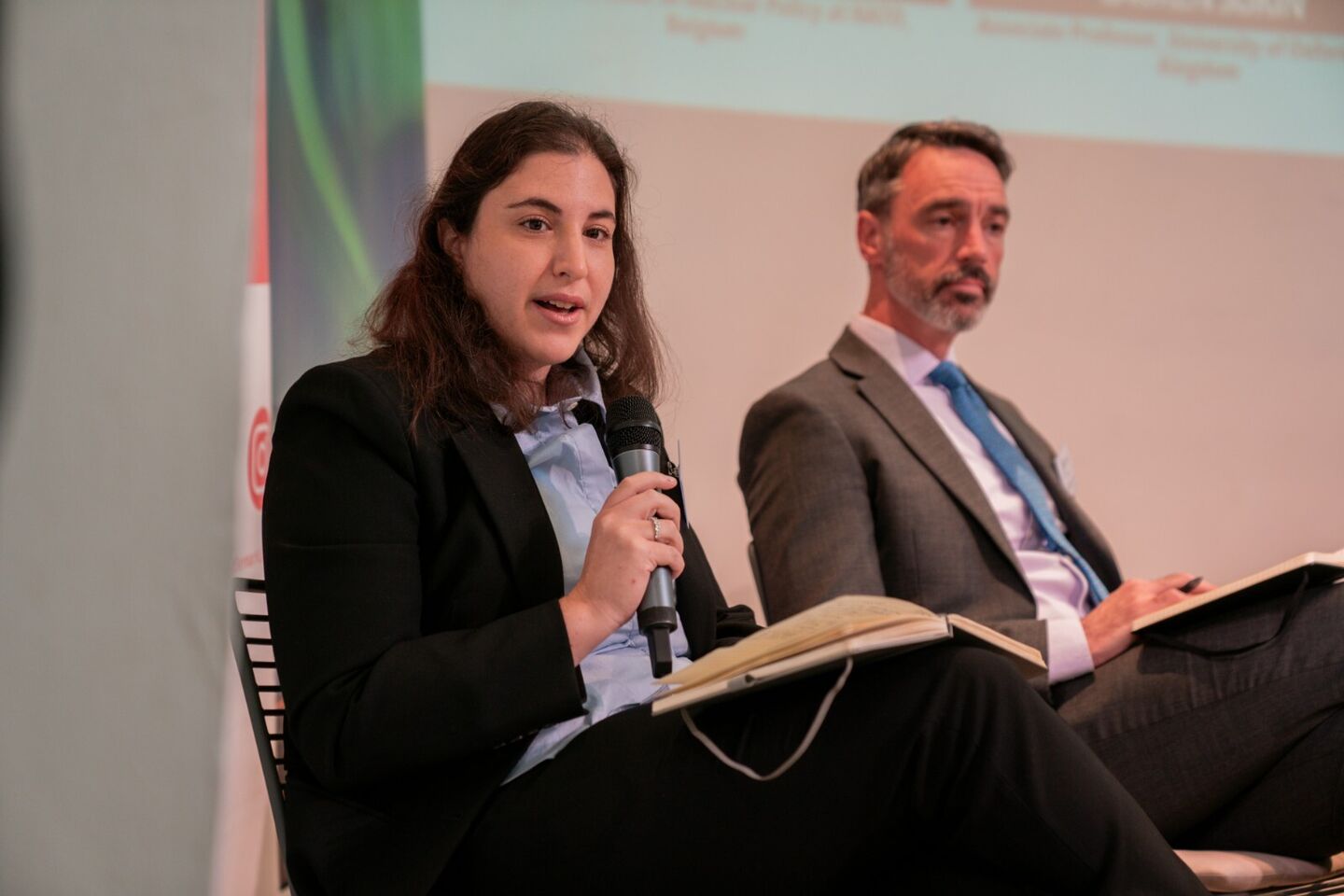
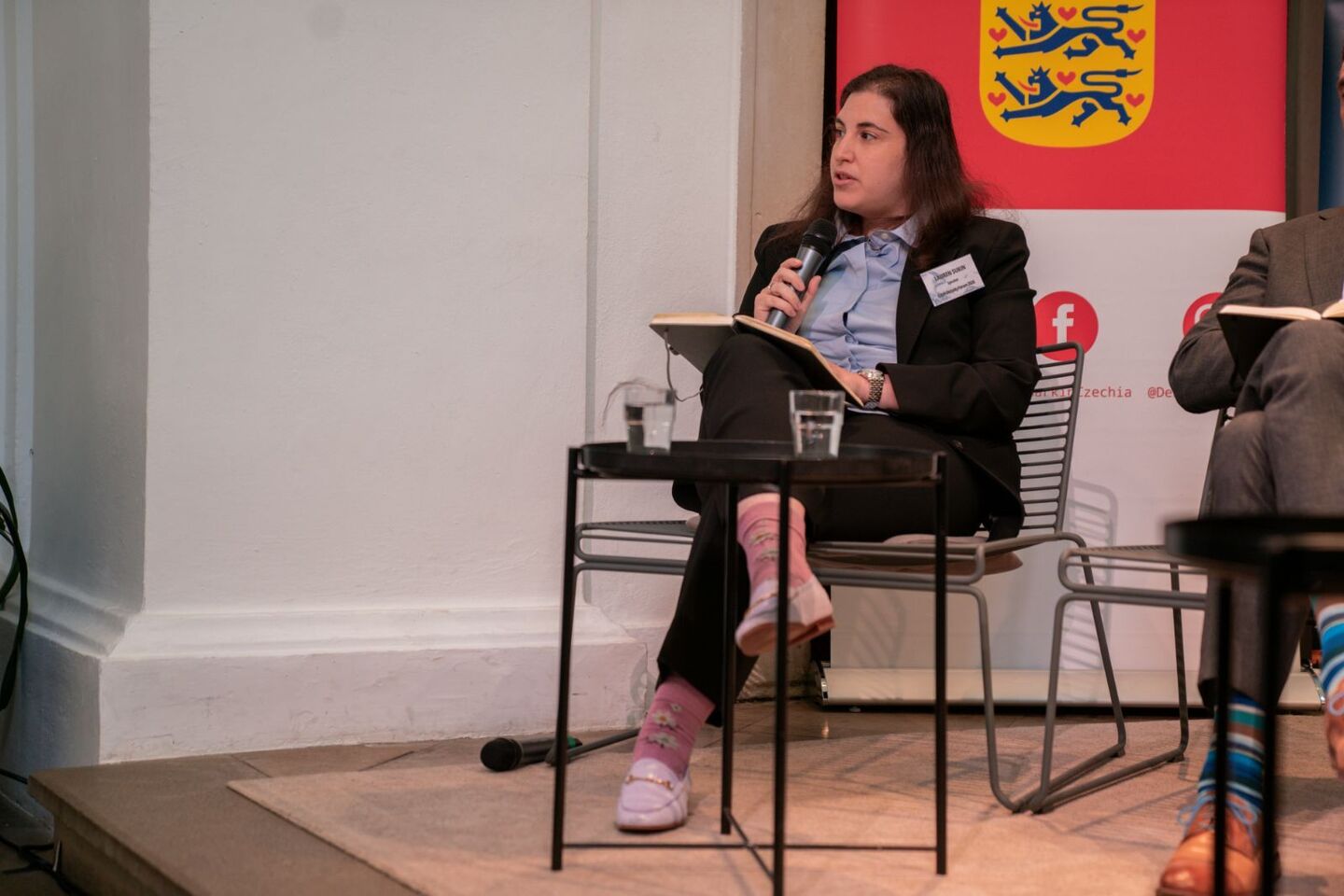
Lauren Sukin, Associate Professor at the University of Oxford, addressed declining confidence in US security commitments and the question of how Europe can strengthen its own capabilities without losing the crucial role played by the United States within the Alliance. Nicole Deitelhoff, Executive Director of the Peace Research Institute Frankfurt, broadened the discussion to the wider transformation of the Western community and the need for a more “Europeanised NATO”, in which European states would assume a greater share of both military capabilities and political leadership.
Foreign Interference
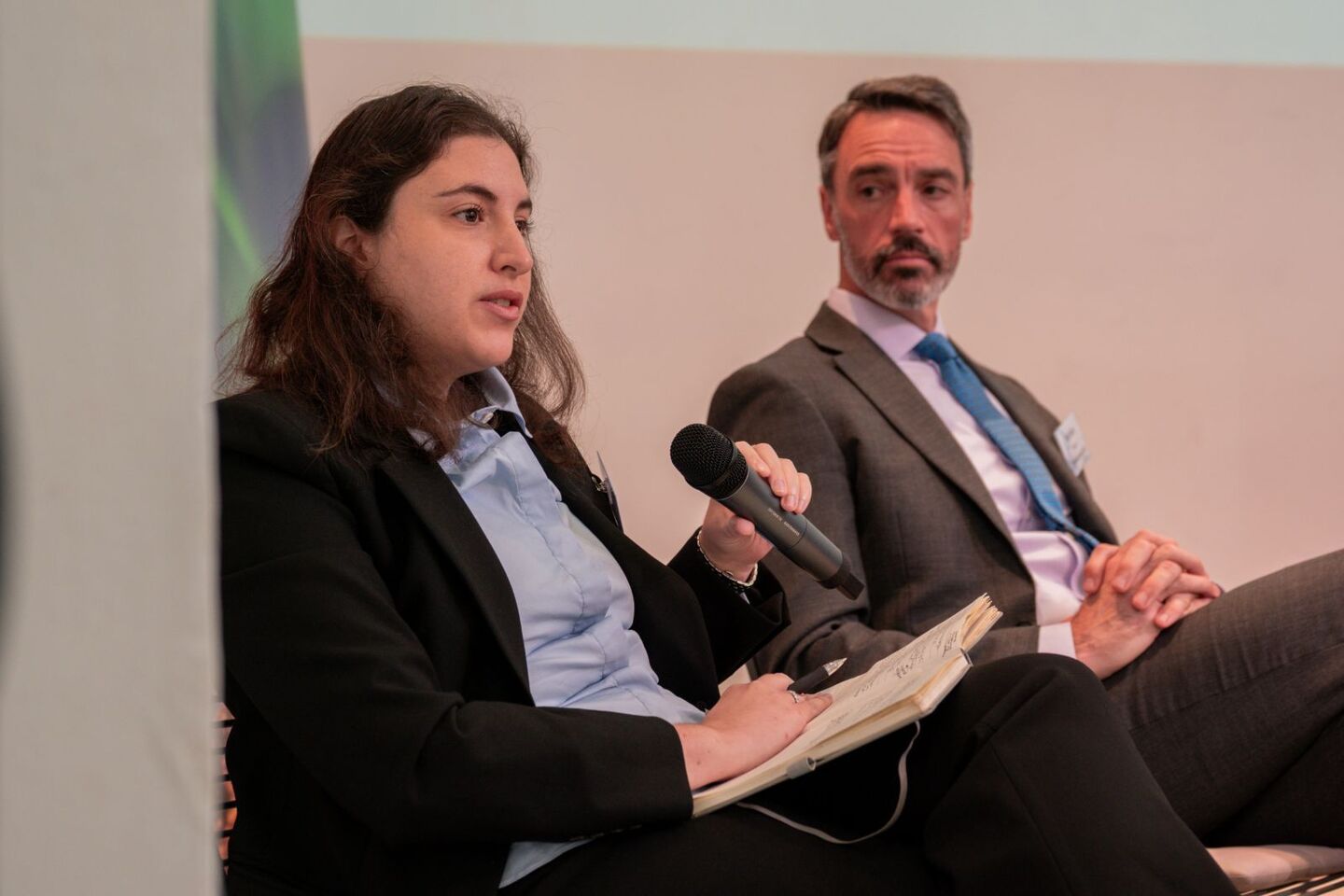
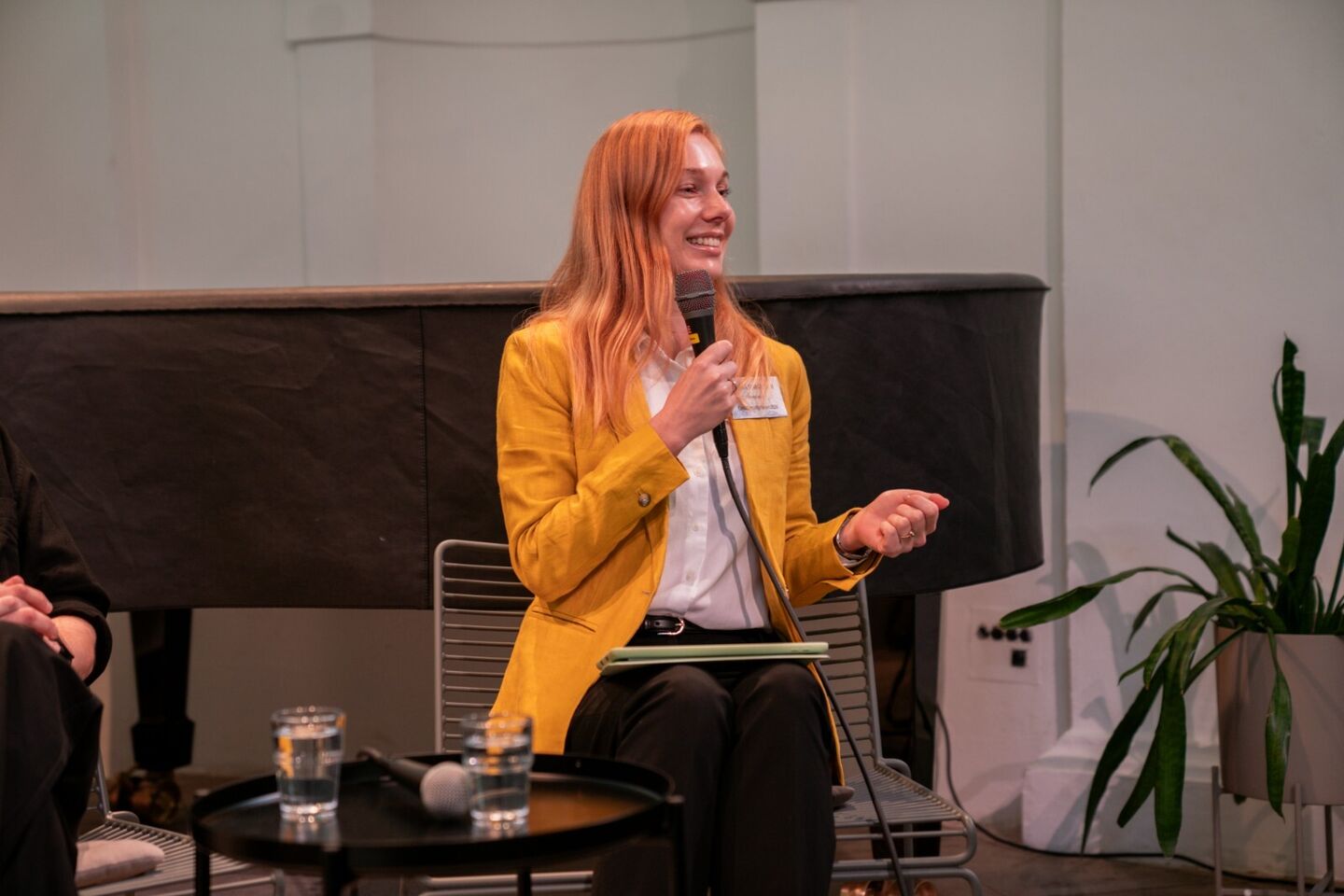
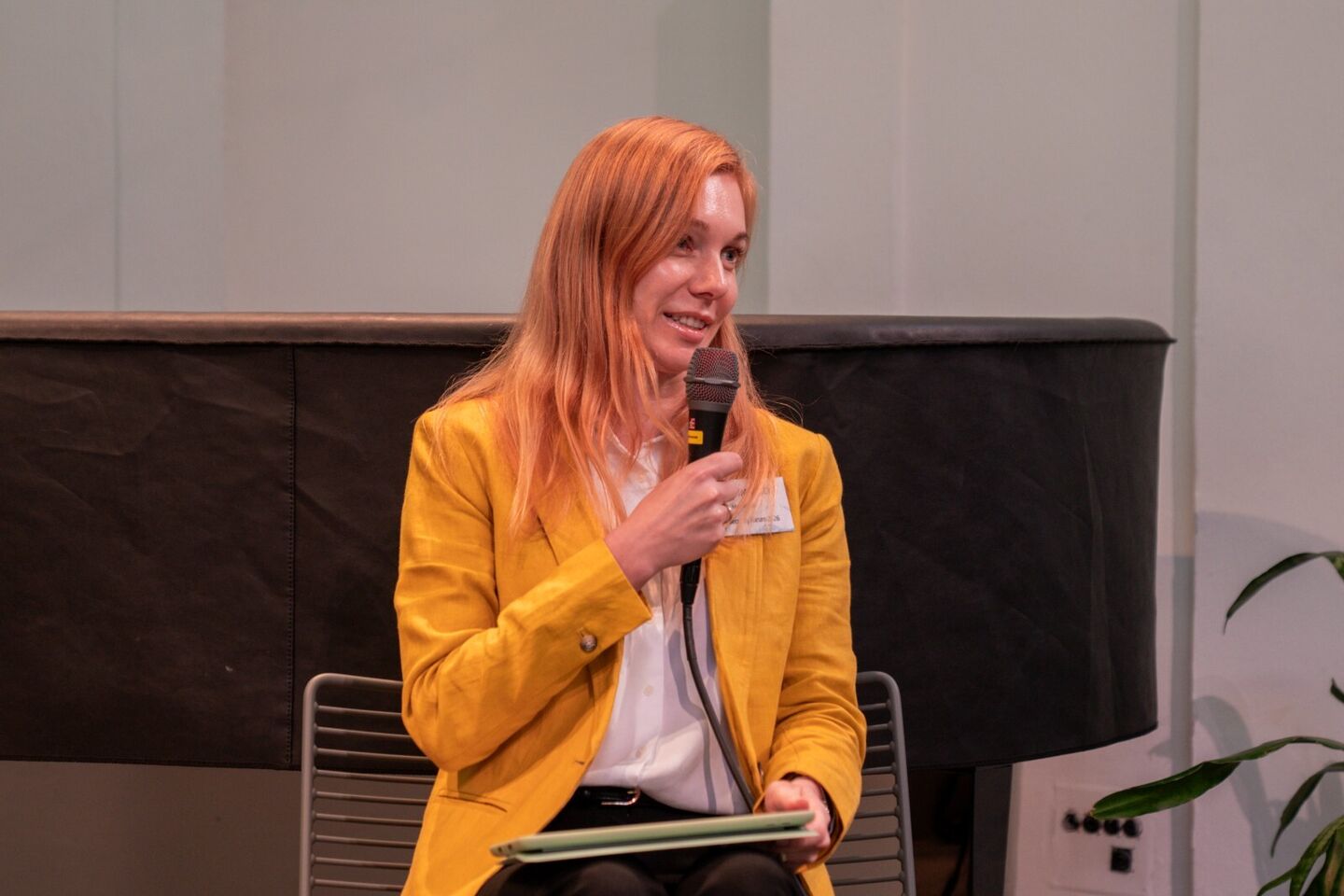
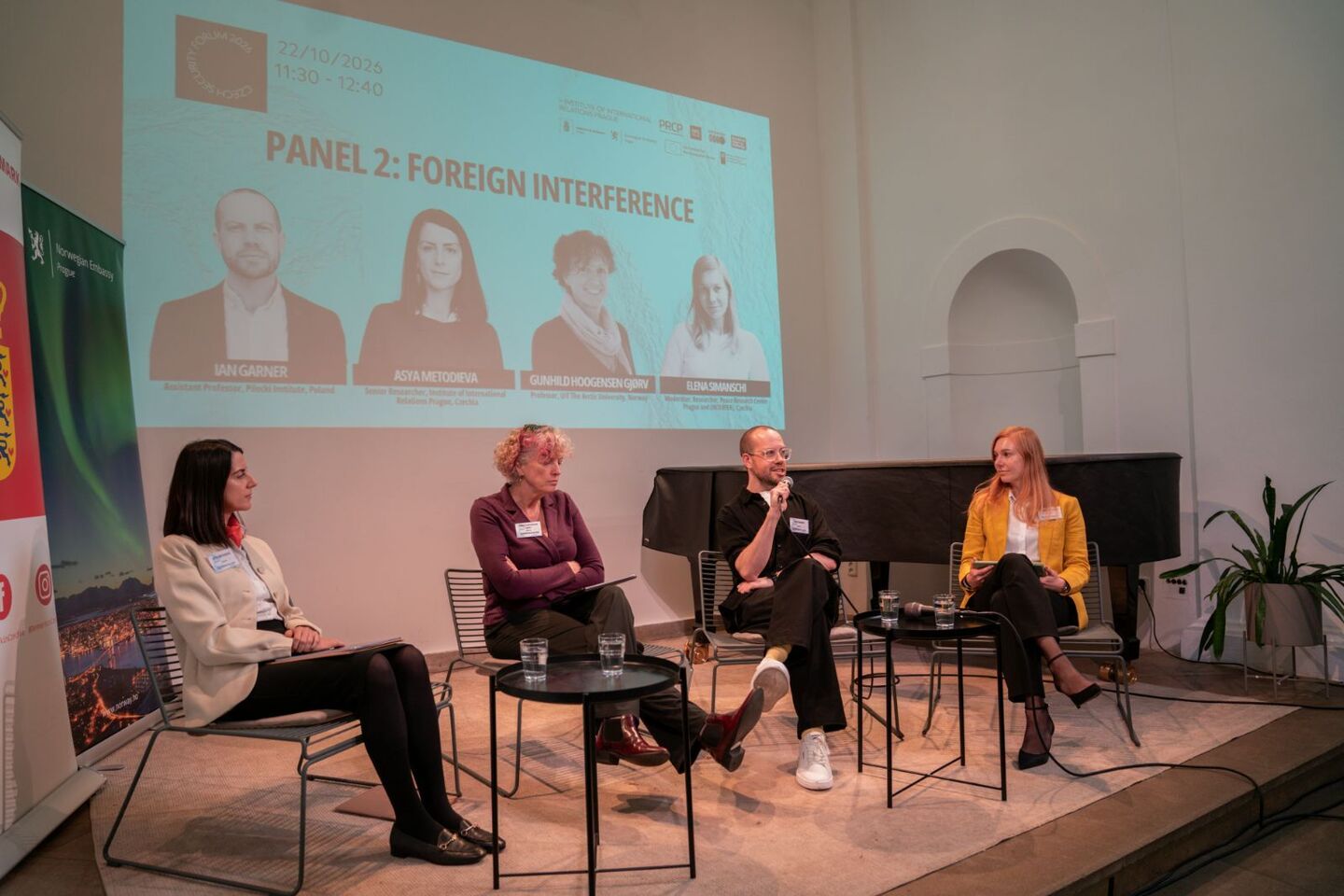
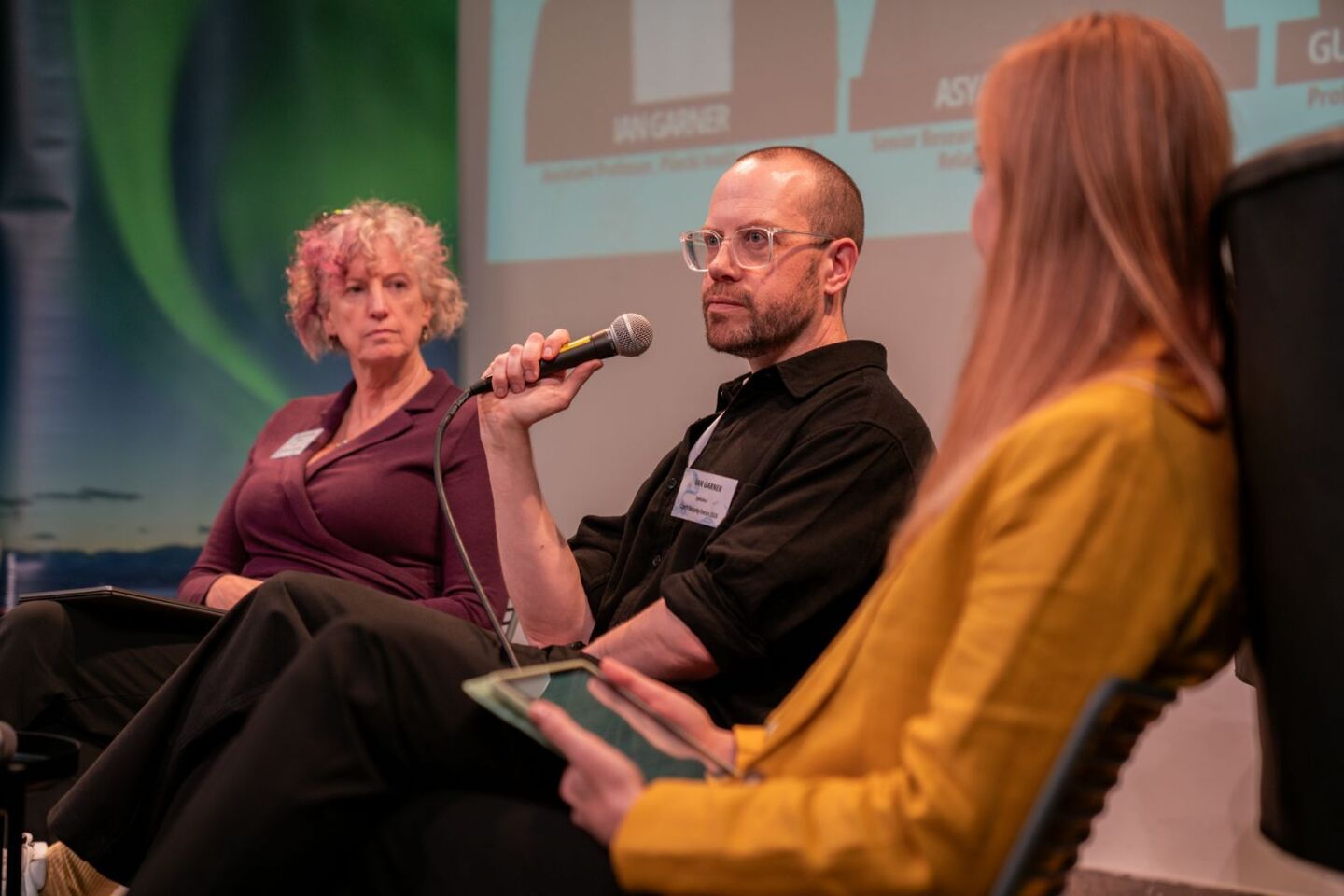
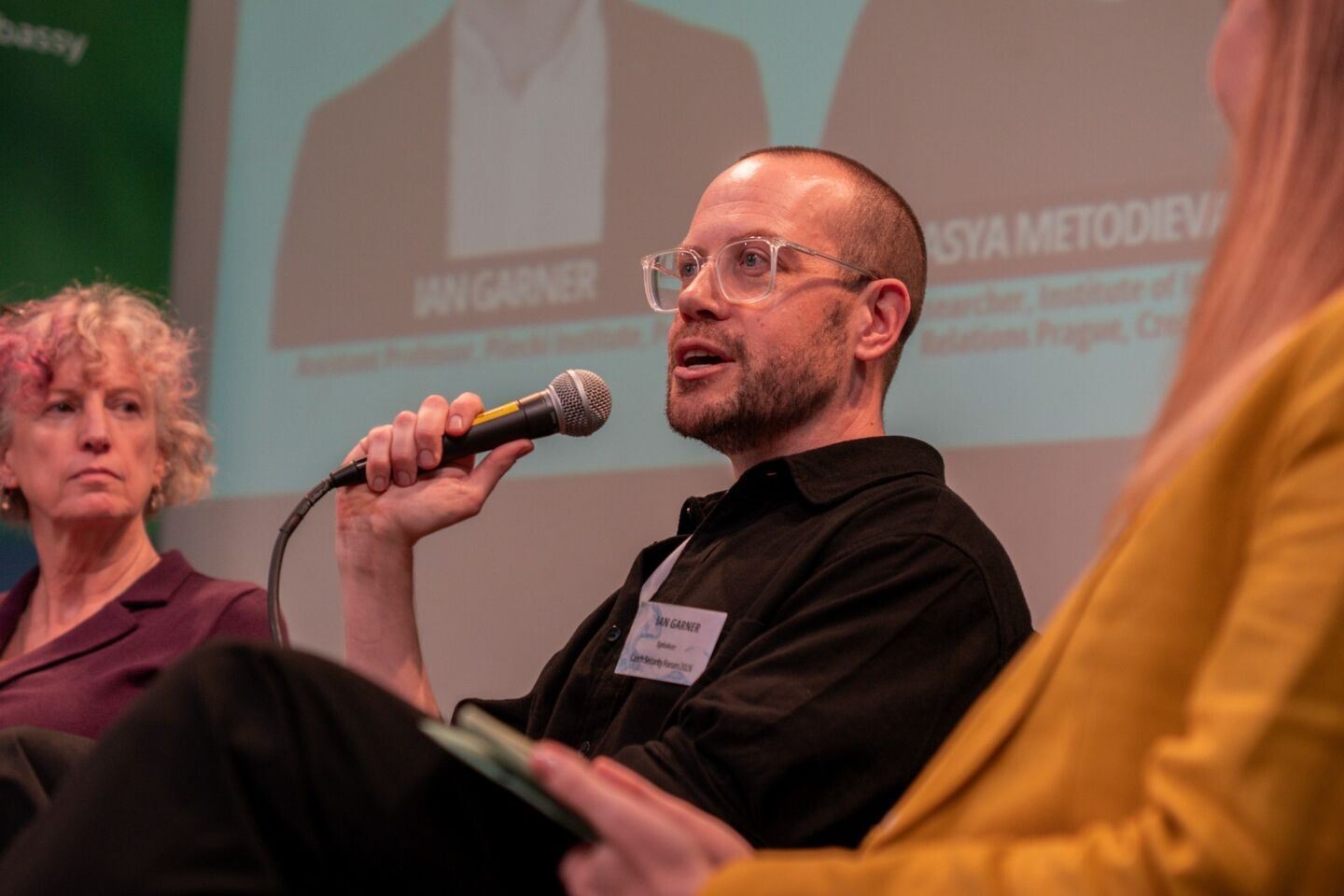
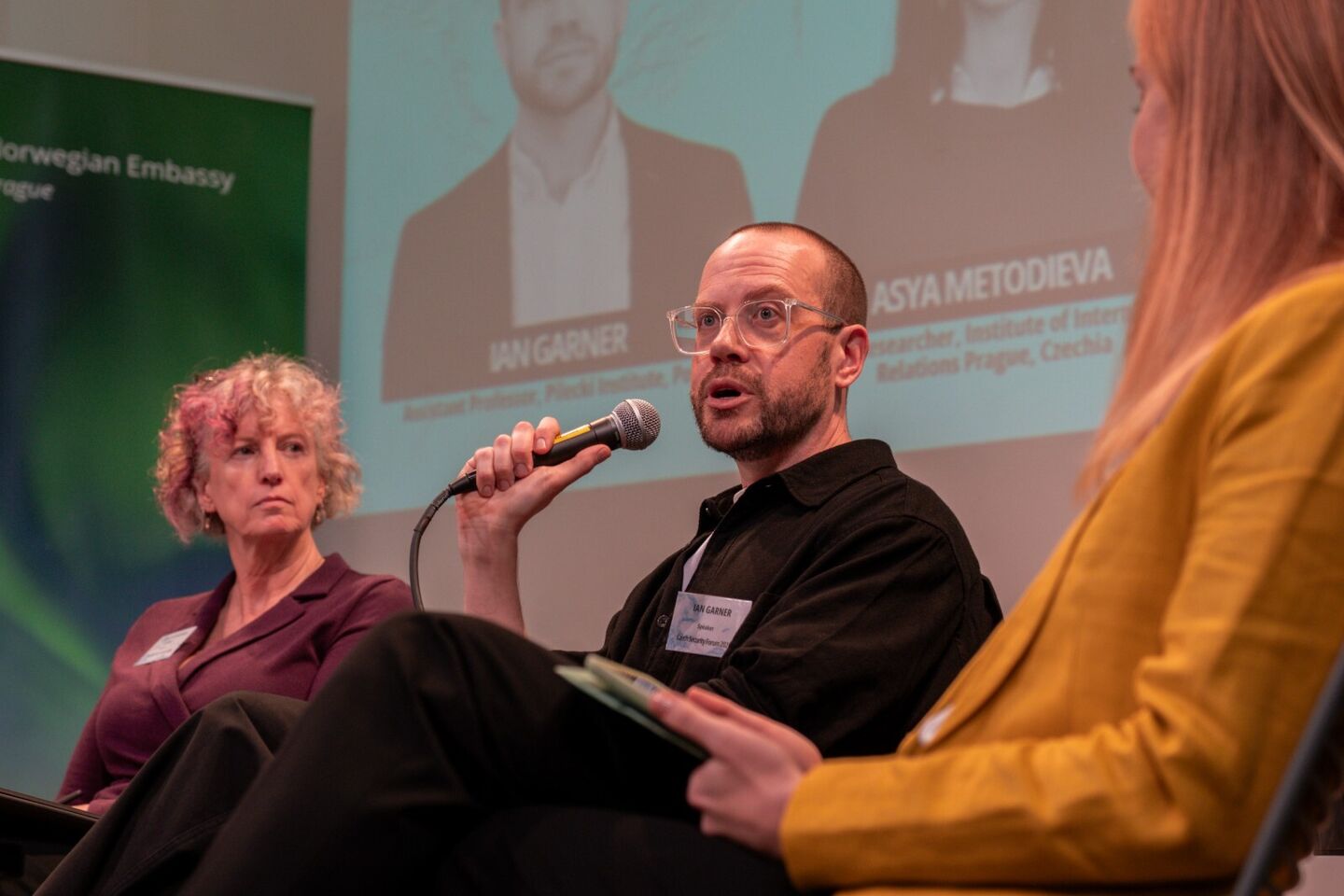
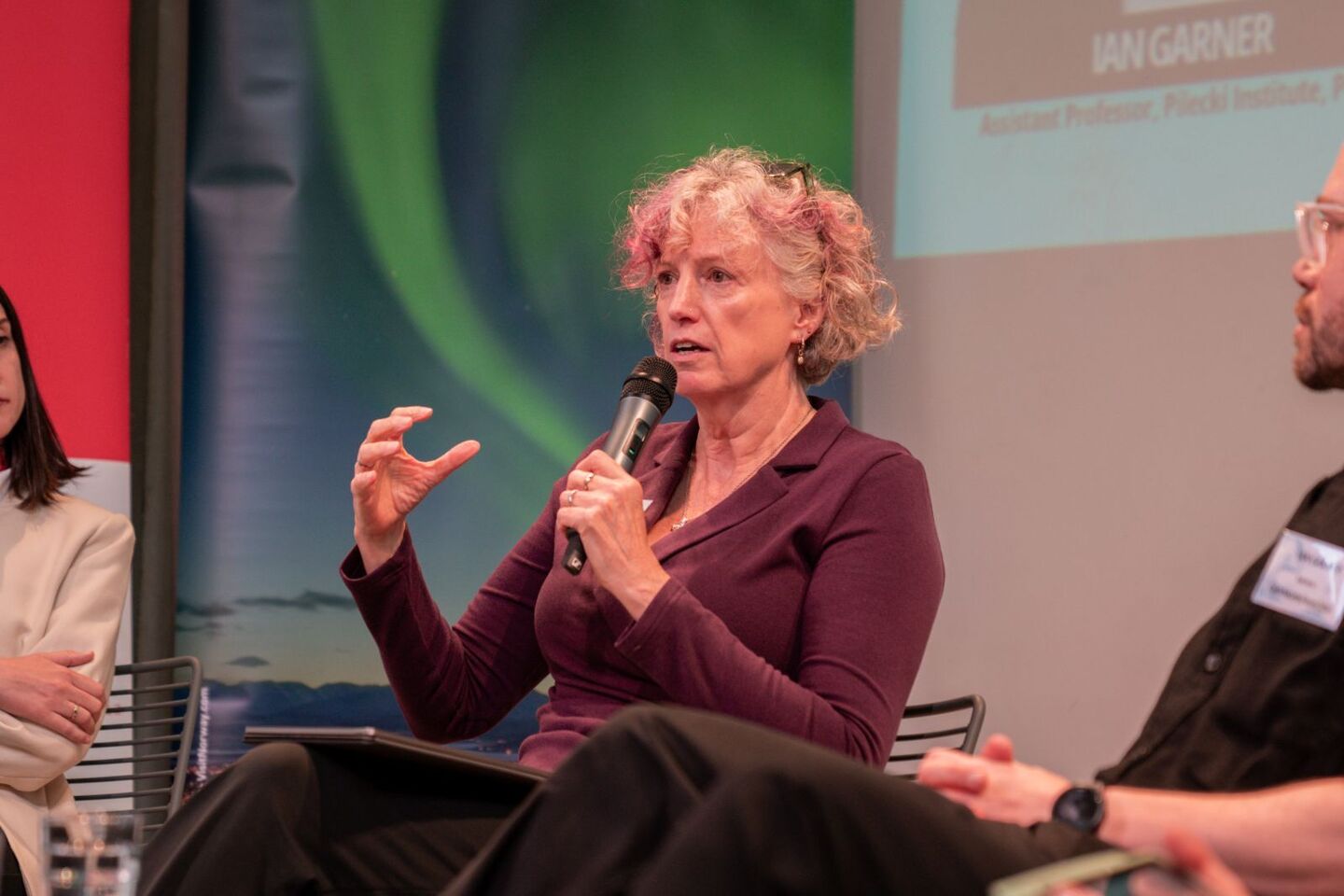
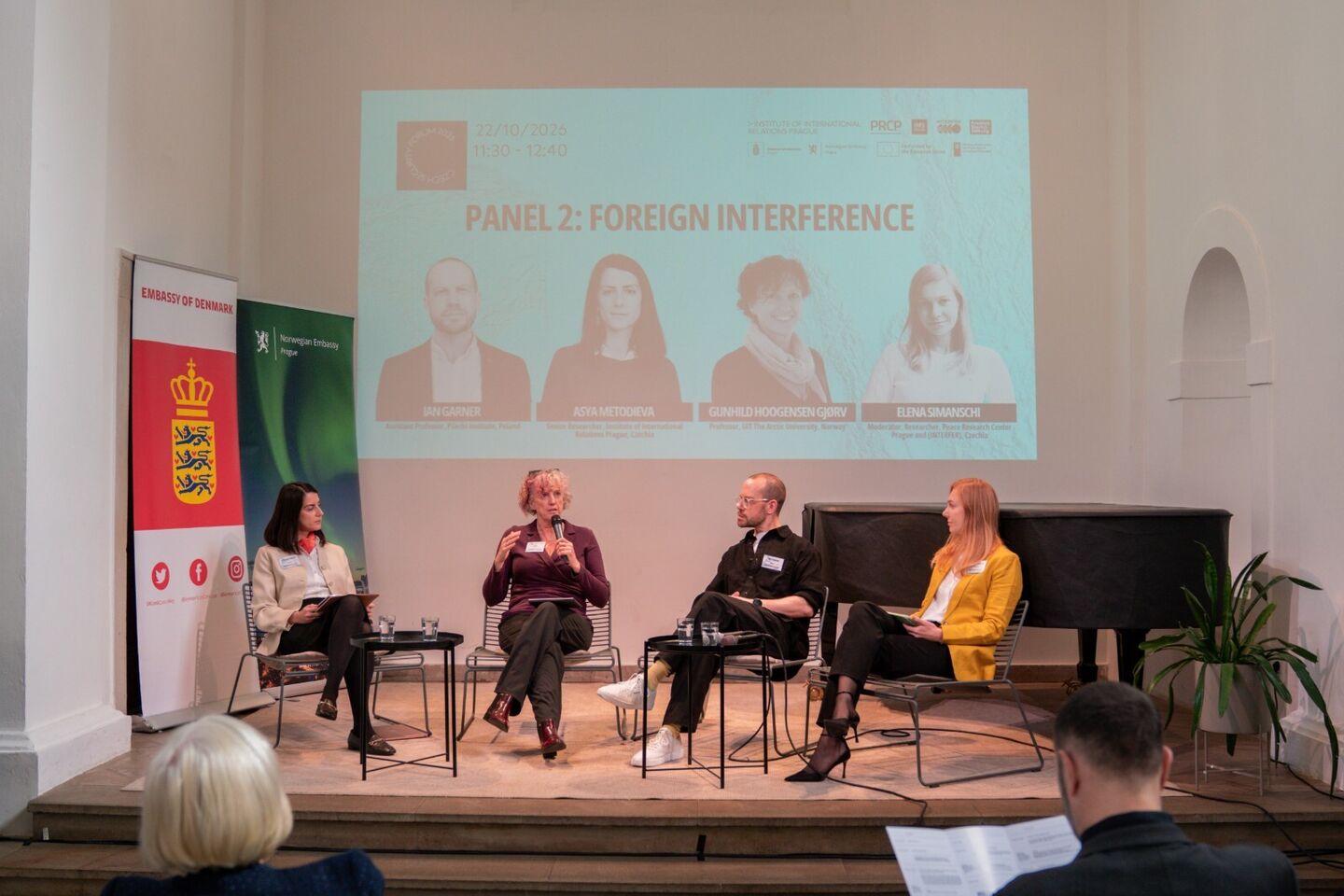
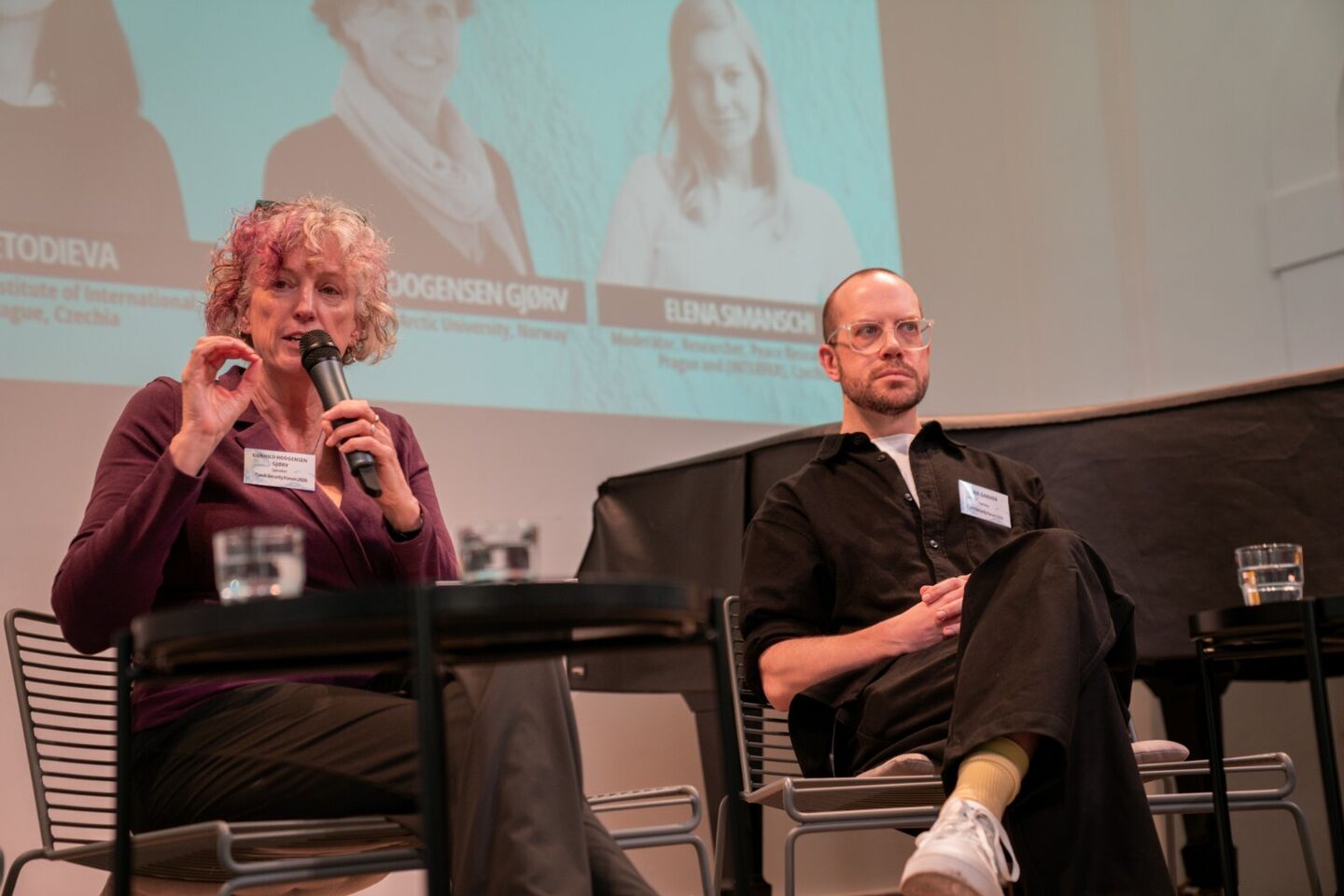
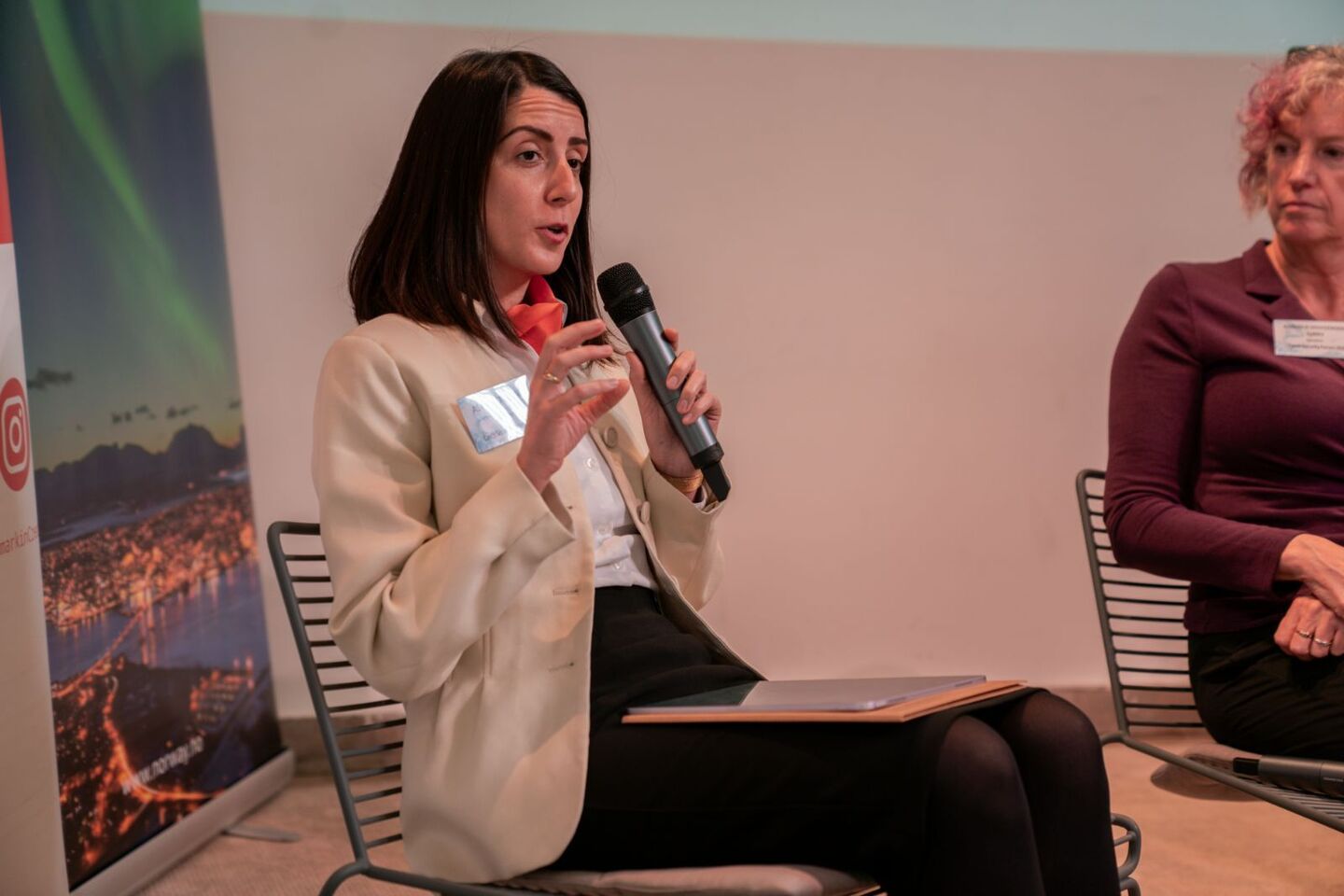
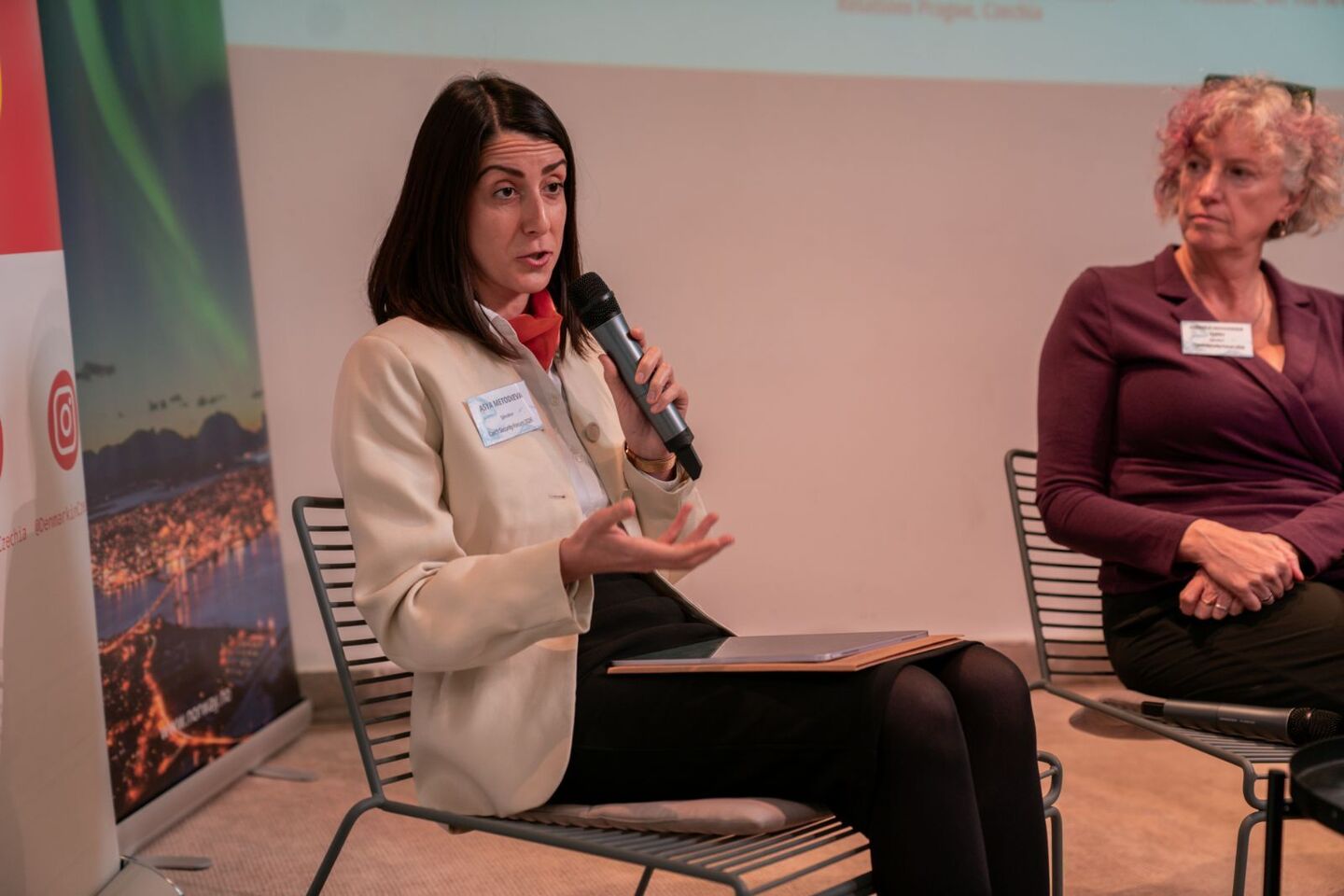
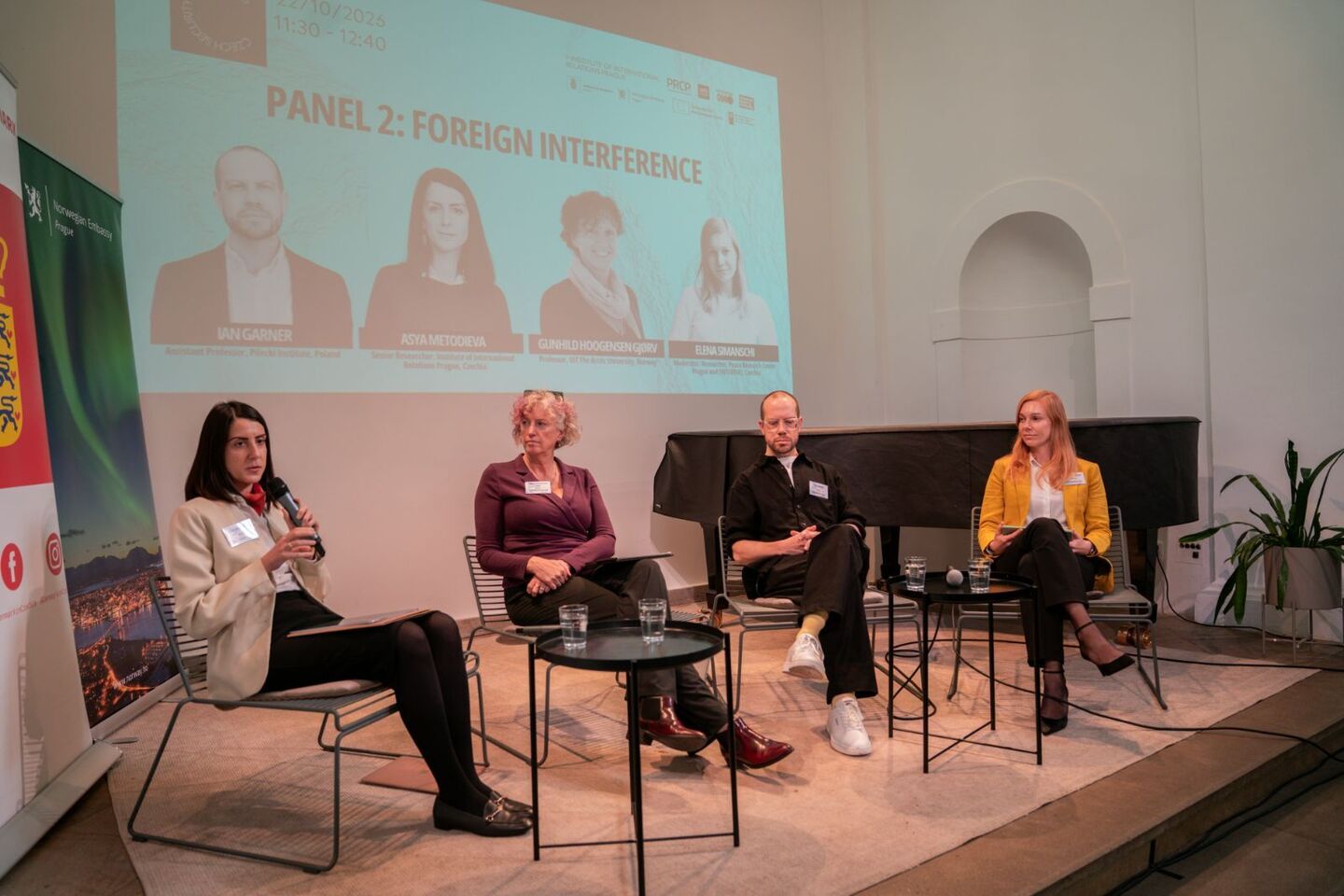
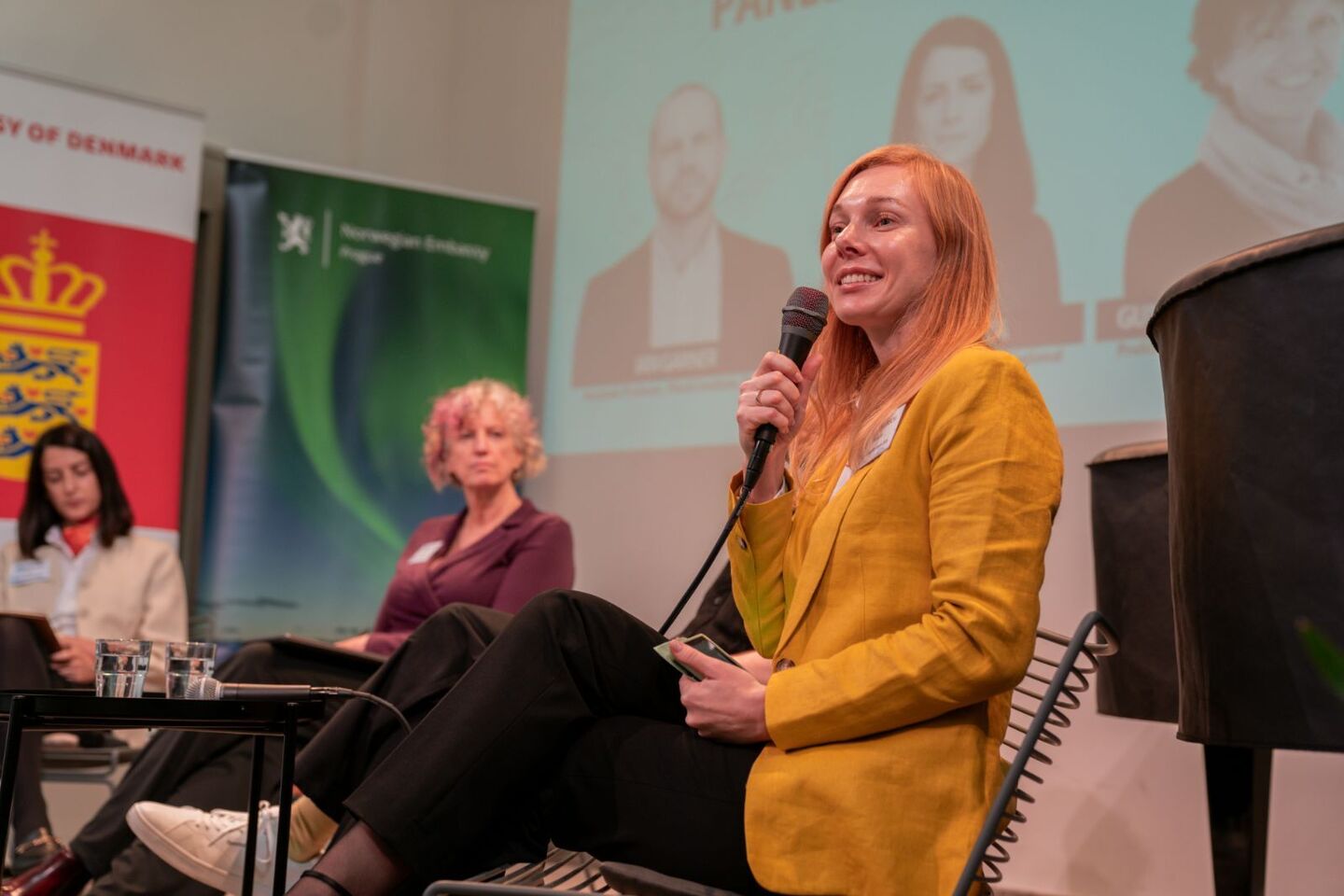
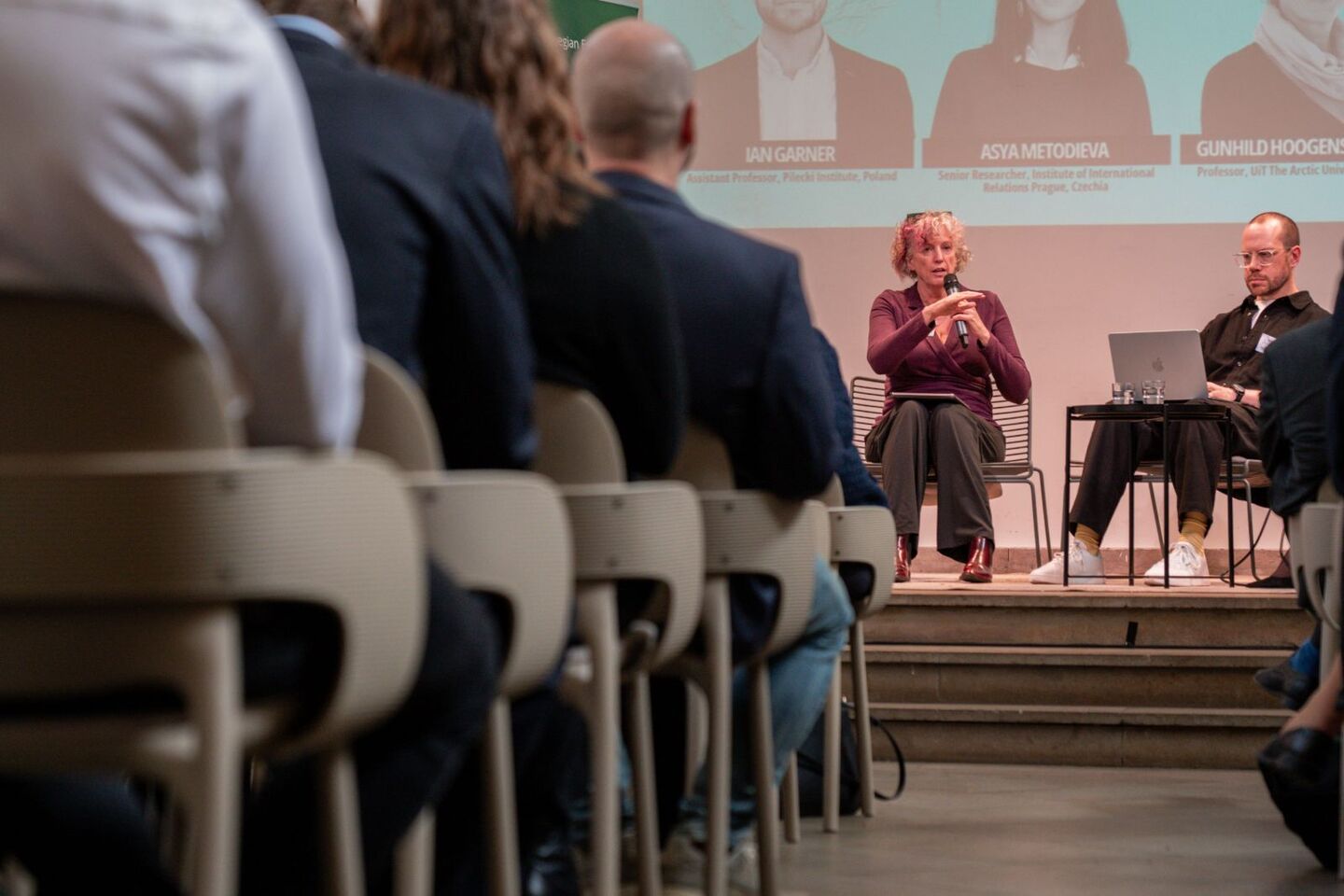
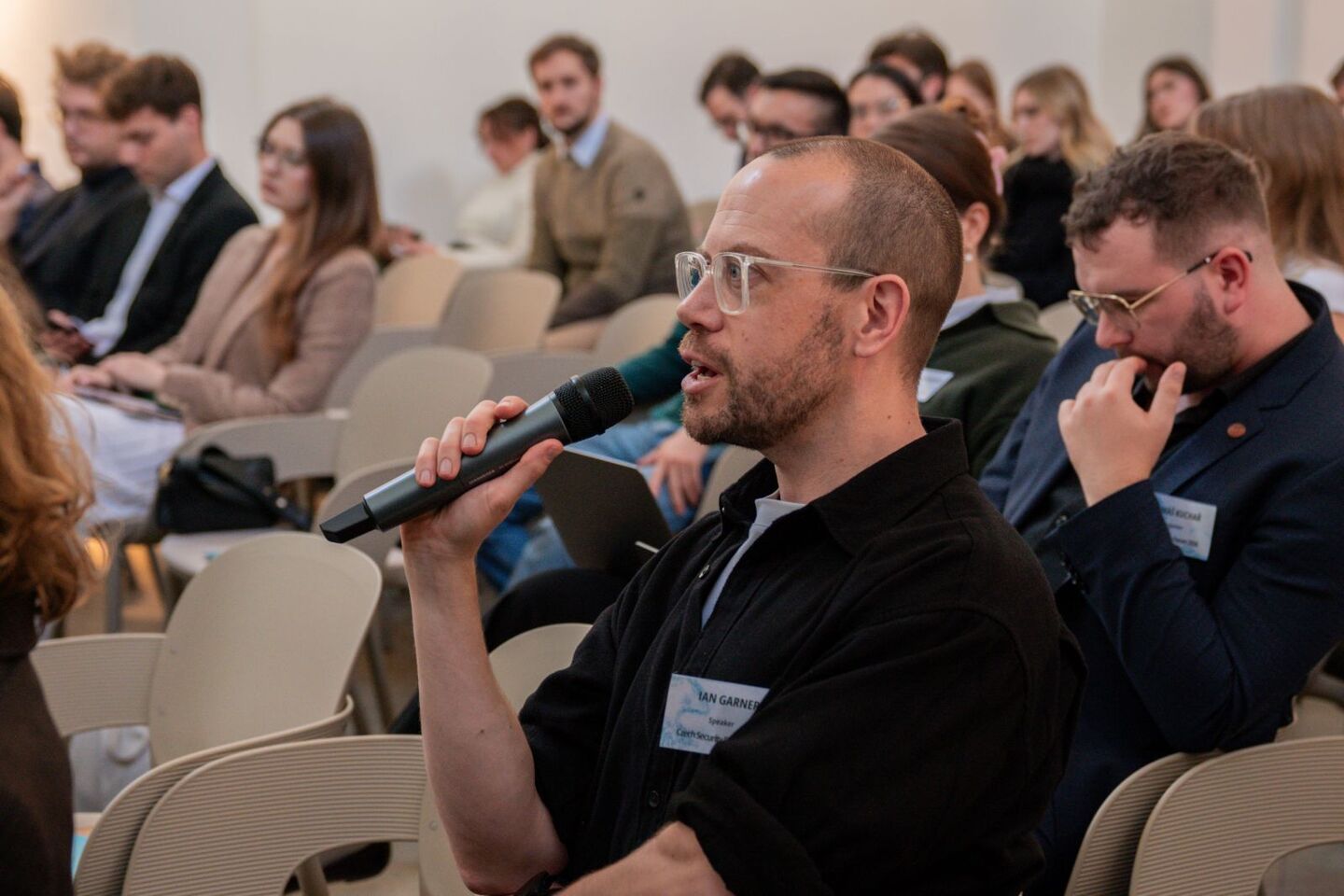
The second panel, moderated by Elena Simanschi, Researcher at the Peace Research Center Prague and the INTERFER project, examined how foreign interference intersects with domestic politics, the digital environment and the resilience of democratic societies. Ian Garner, Assistant Professor at the Pilecki Institute in Poland, highlighted Russia’s use of “emotional warfare”, which aims not only to spread false information but also to deepen distrust and uncertainty. He also drew attention to the growing challenge posed by AI-generated content.
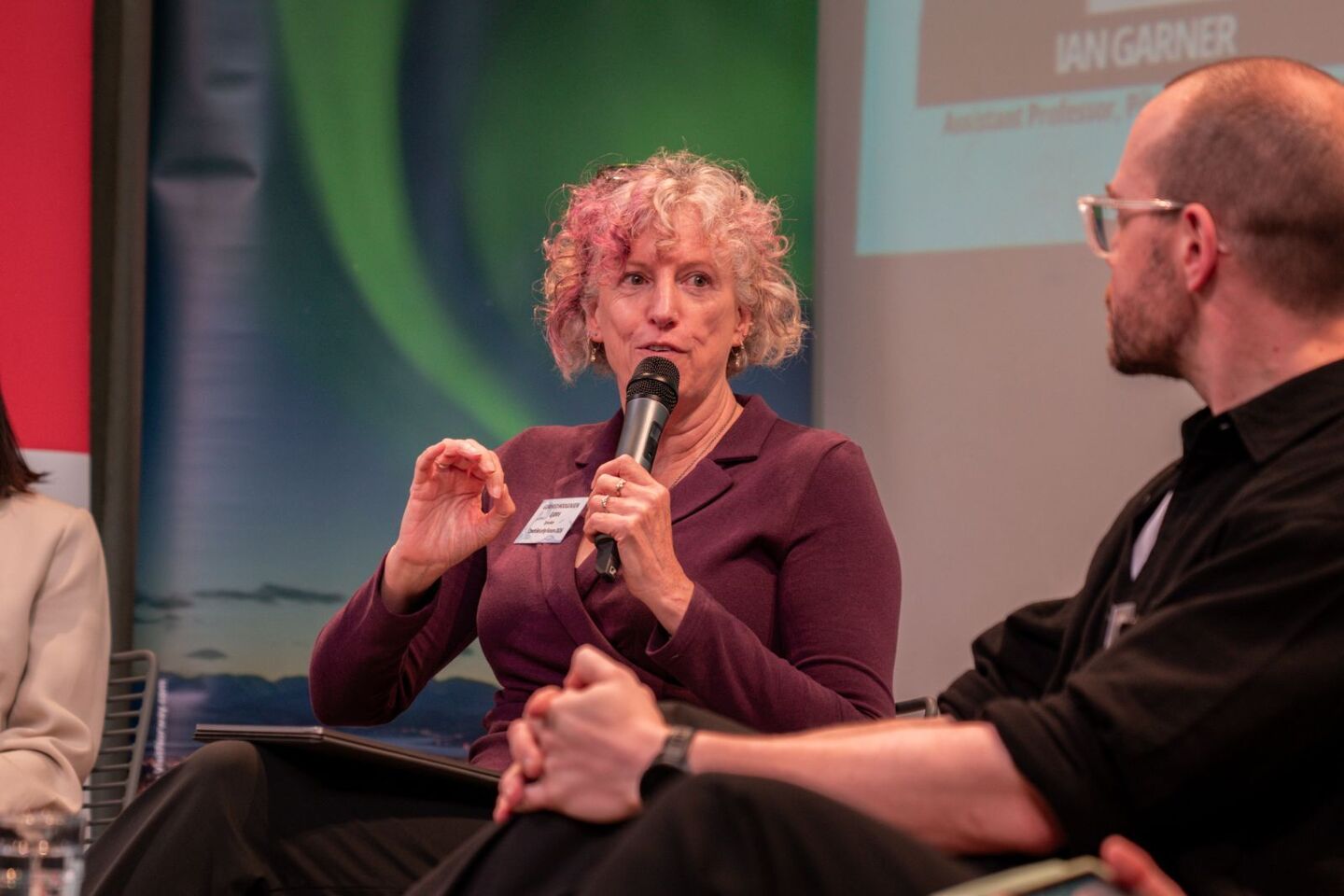
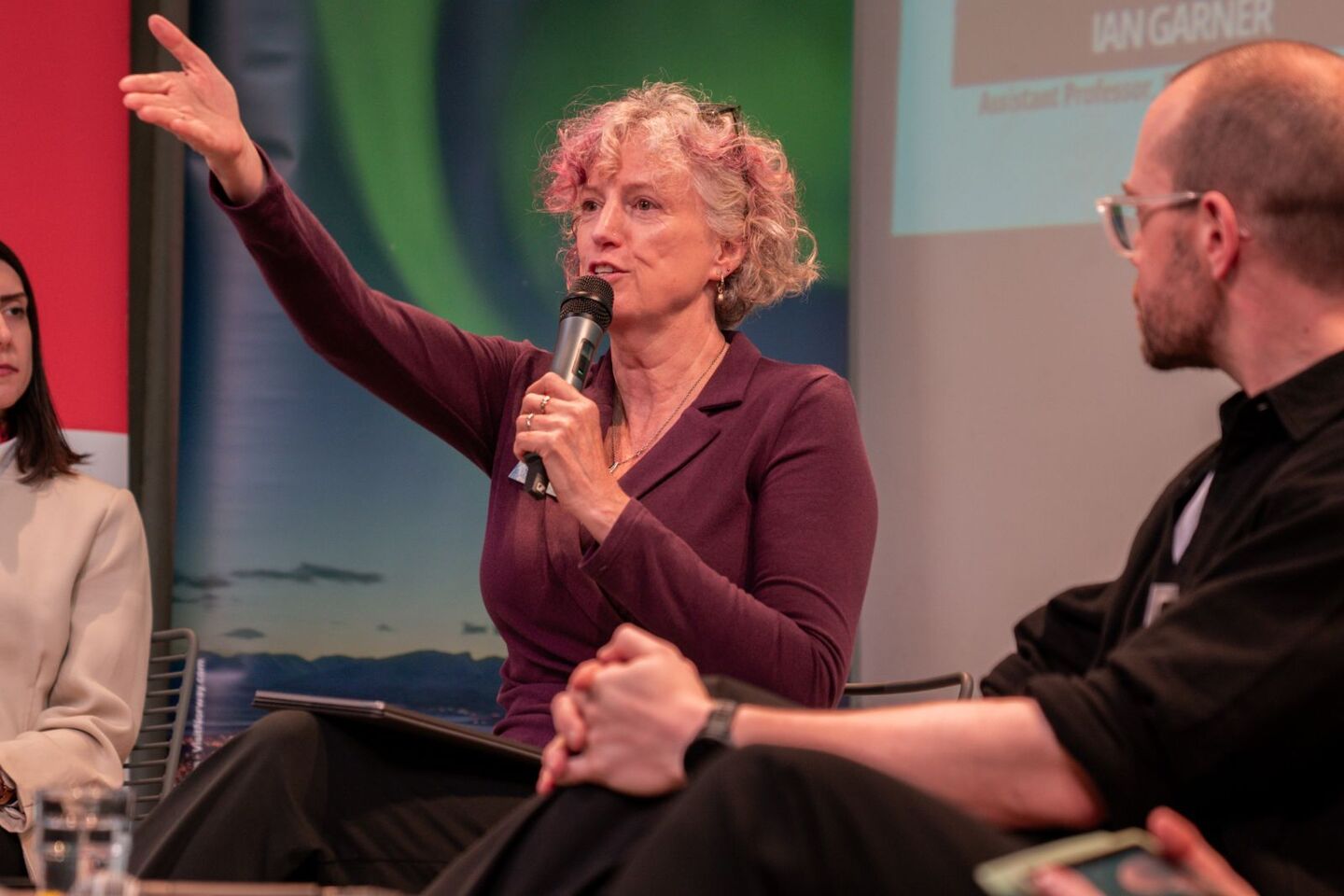
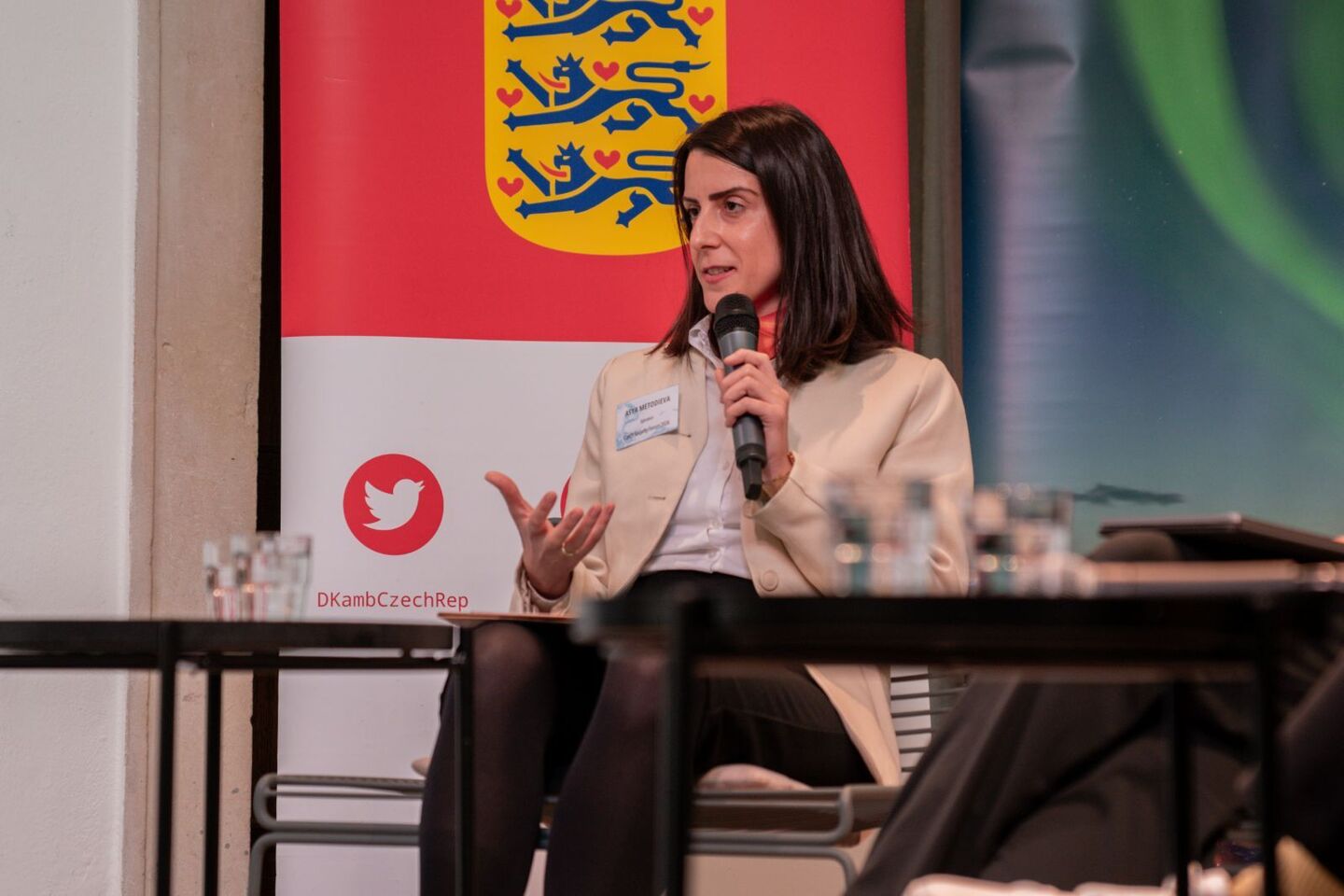
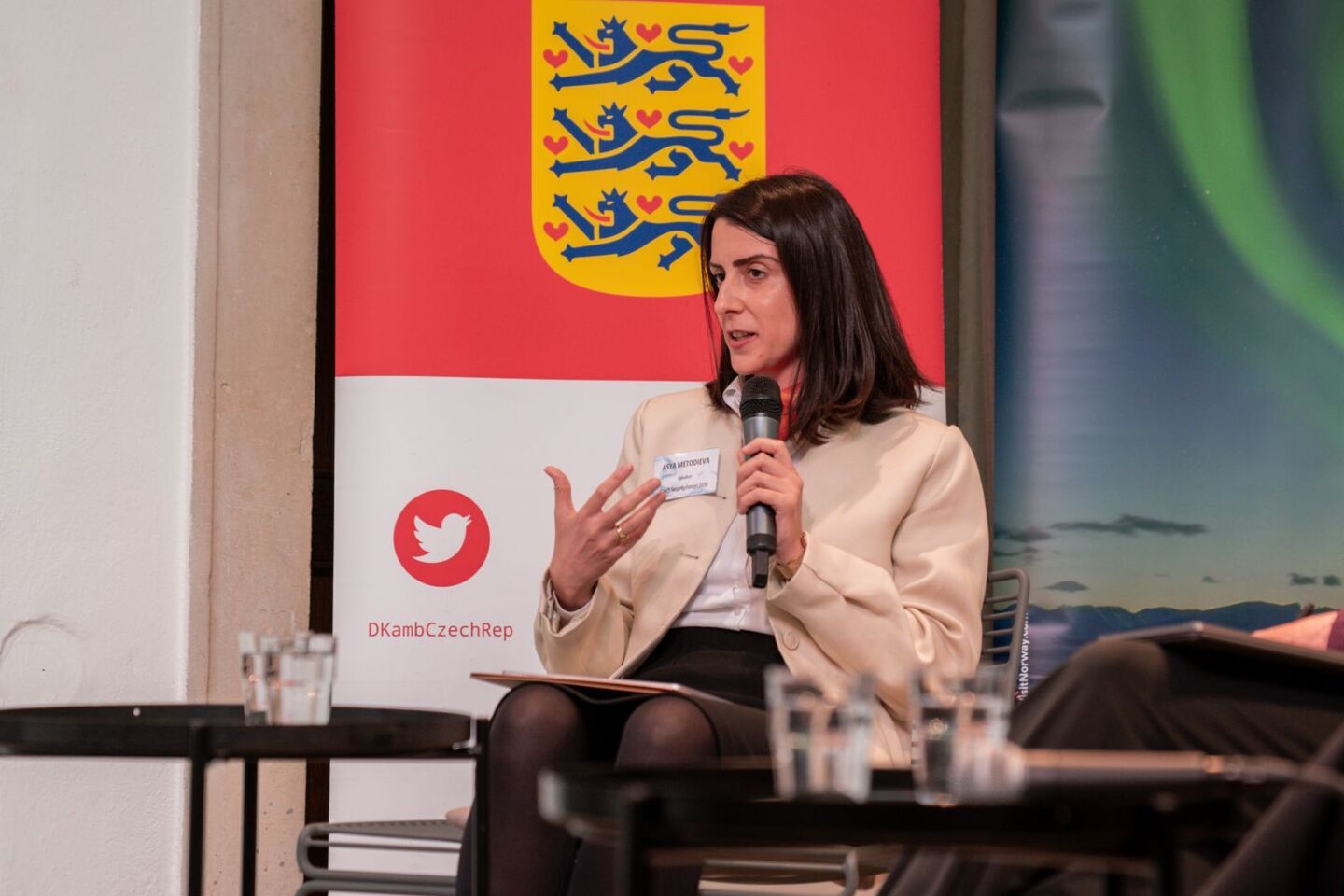
Asya Metodieva, Senior Researcher at the IIR, focused on the increasingly blurred boundary between foreign interference and domestic political competition, as well as the difficulty of developing a unified European response to rapidly evolving forms of information manipulation. Gunhild Hoogensen Gjørv, Professor at UiT The Arctic University of Norway, emphasised the vulnerability of civil society, growing dependence on digital technologies and the need to strengthen both Europe’s technological capacity and societal resilience.
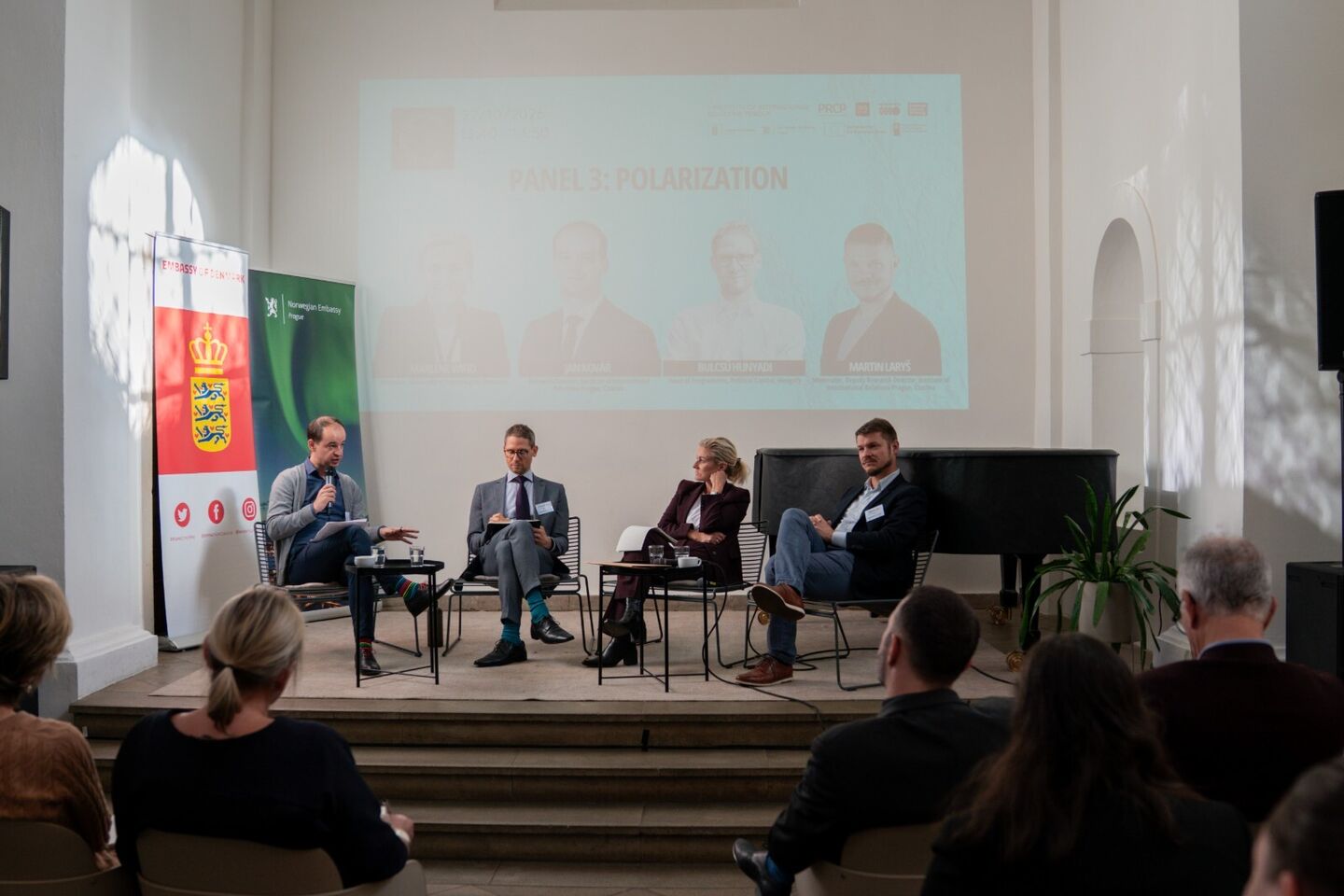
Polarization
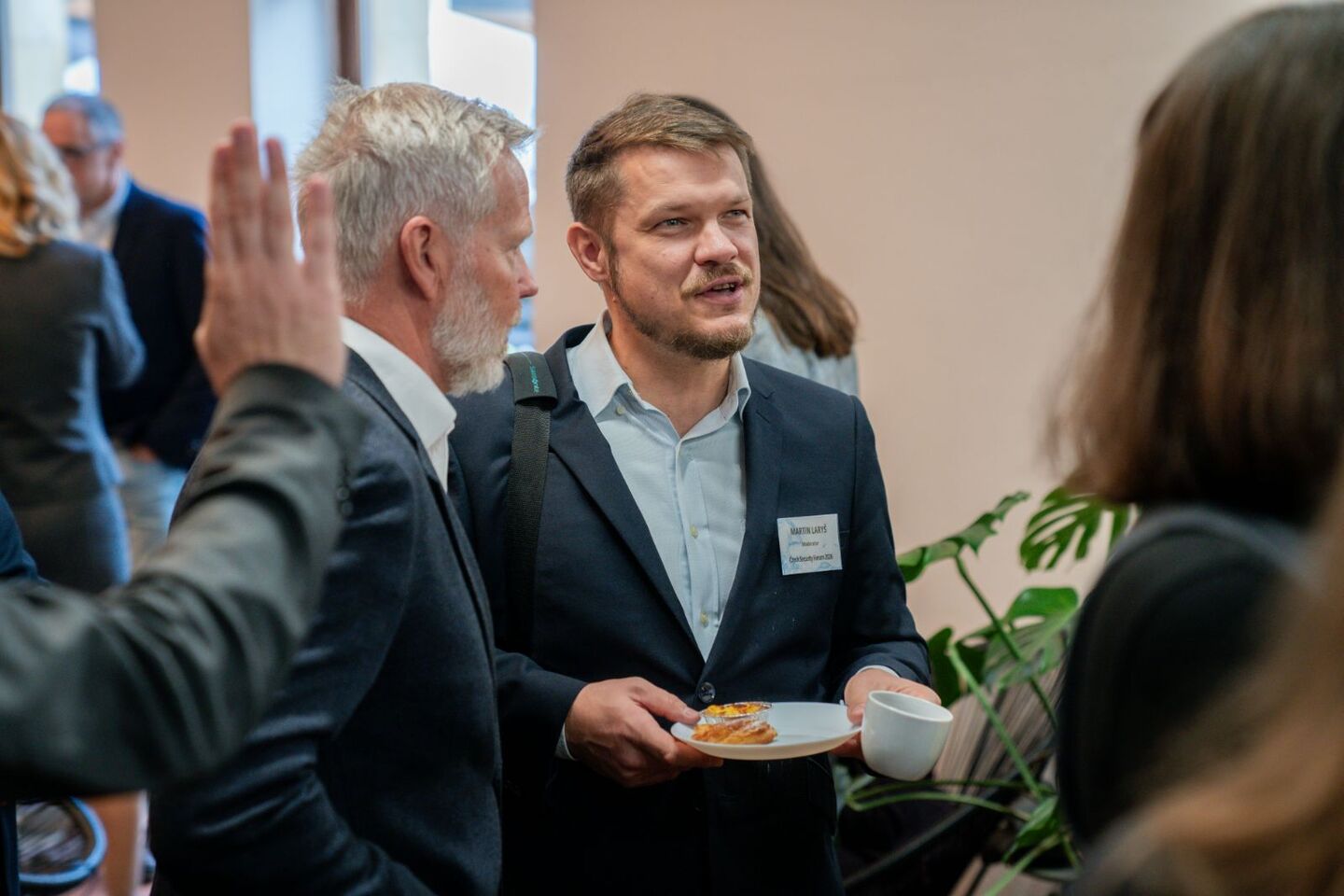
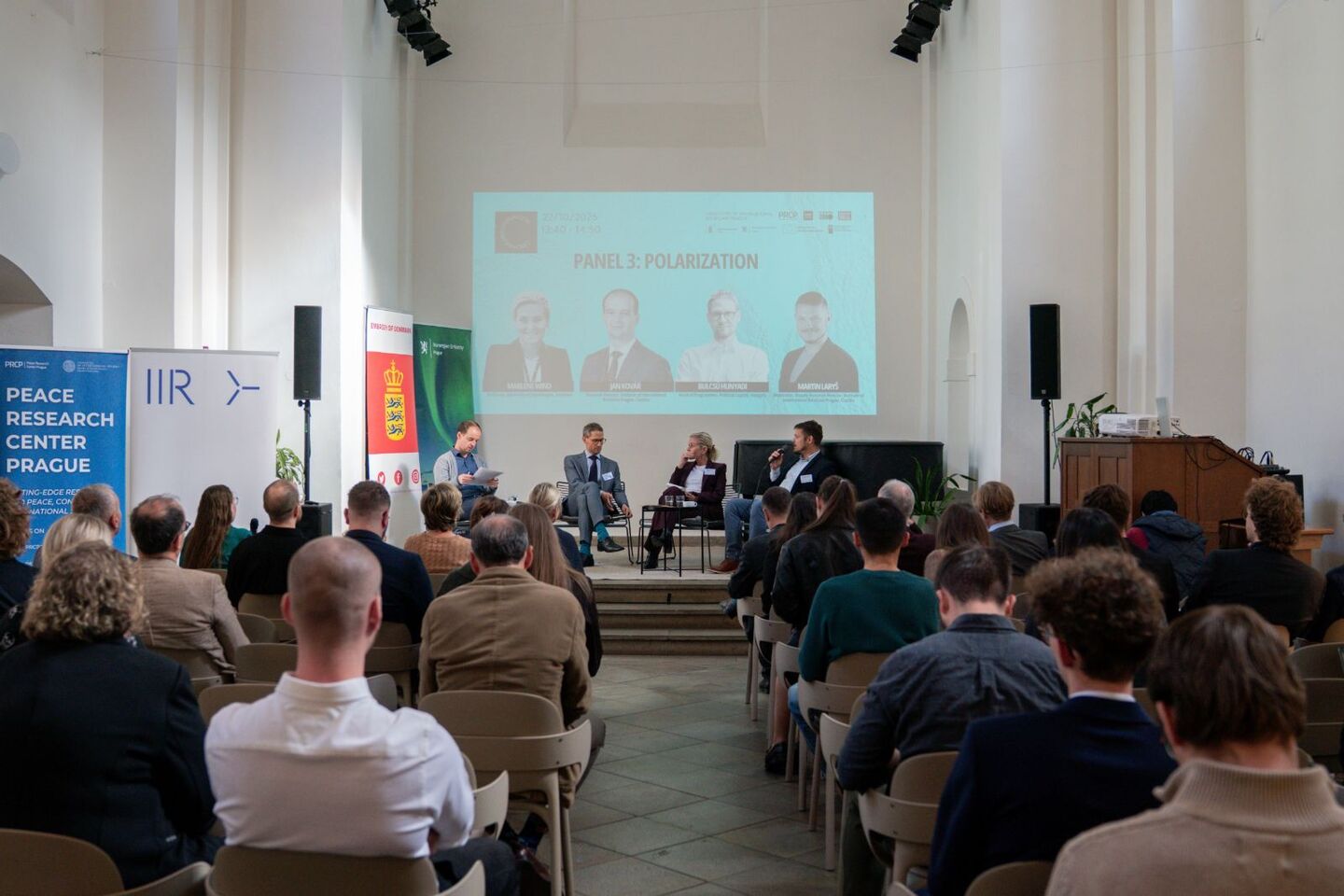
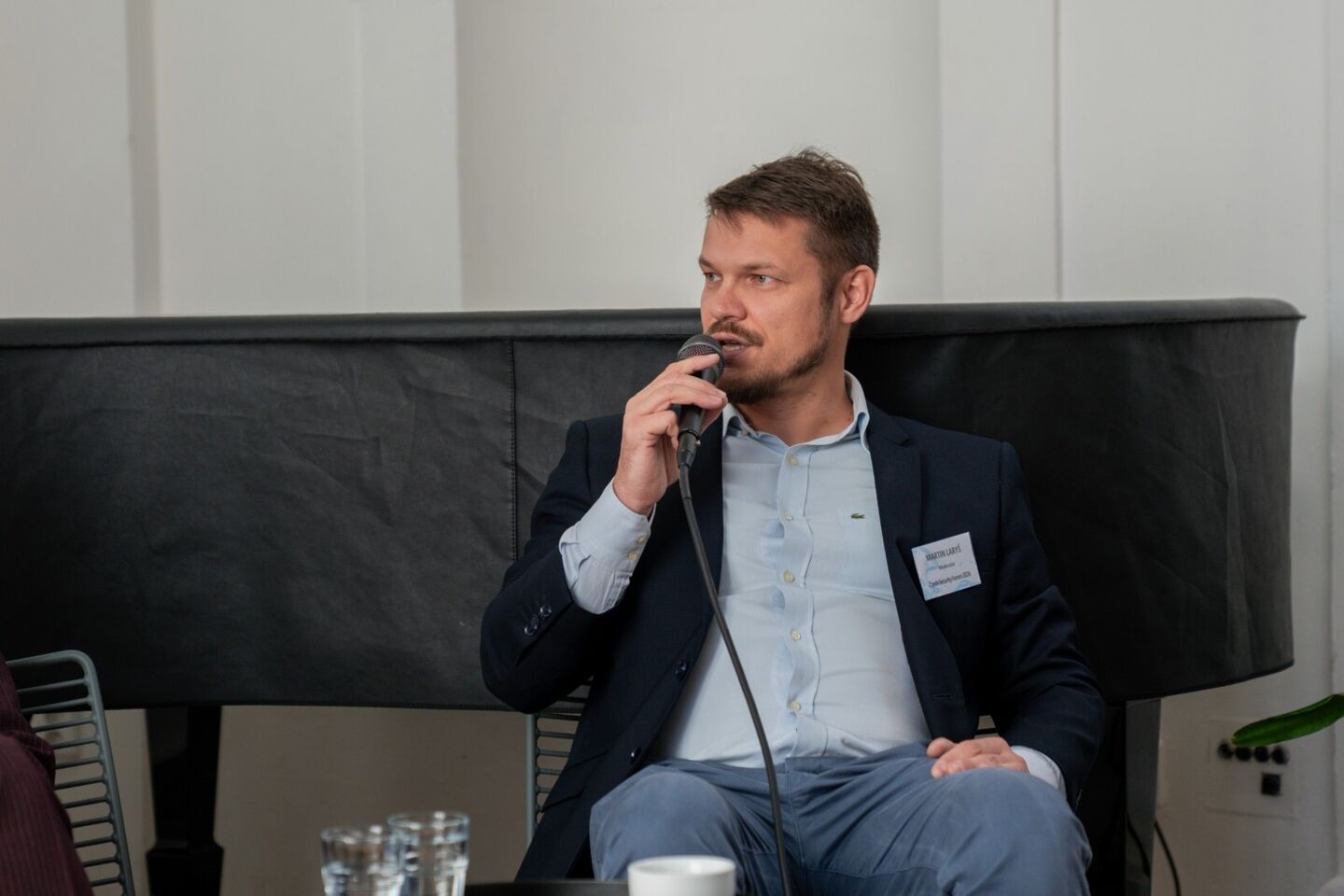
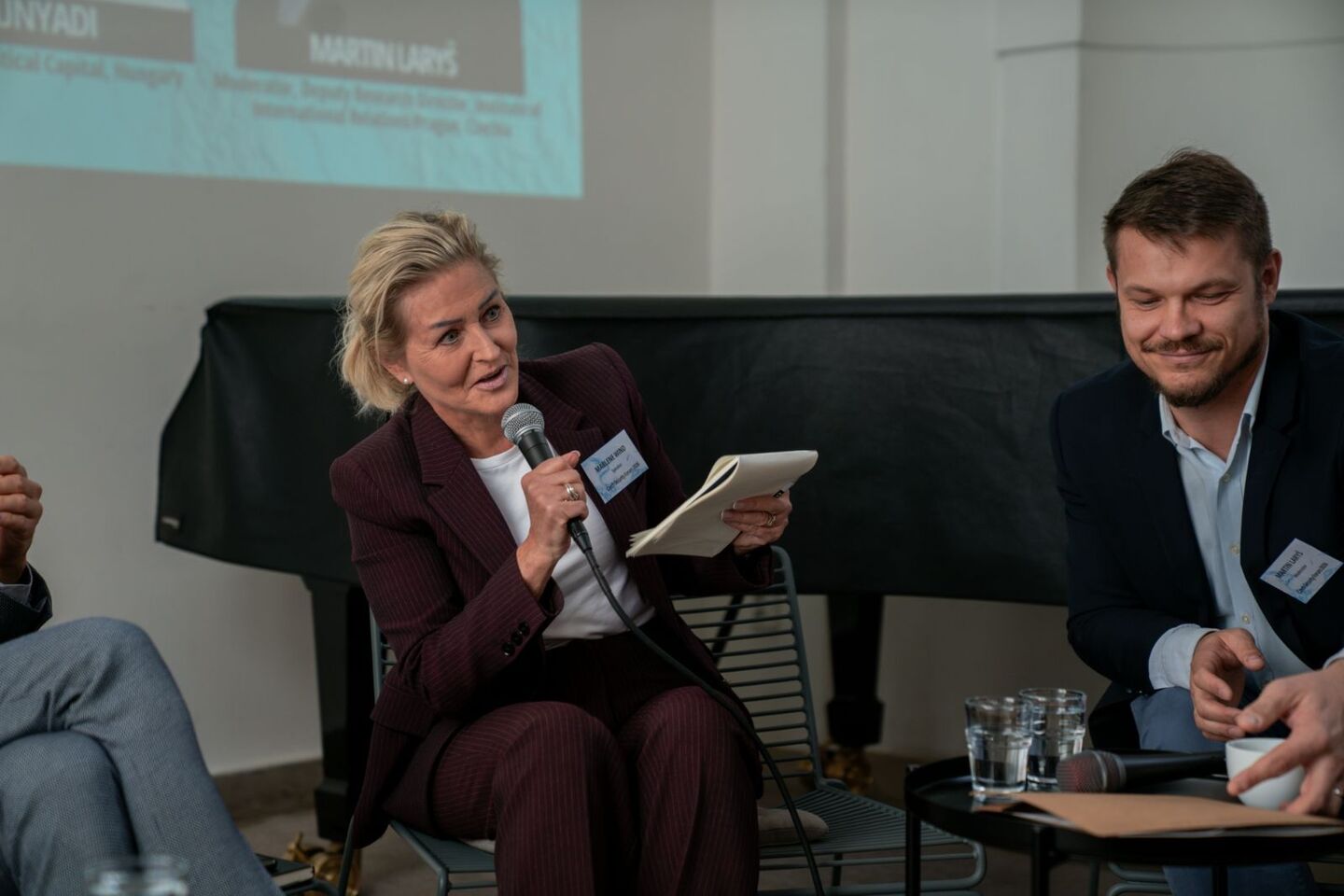
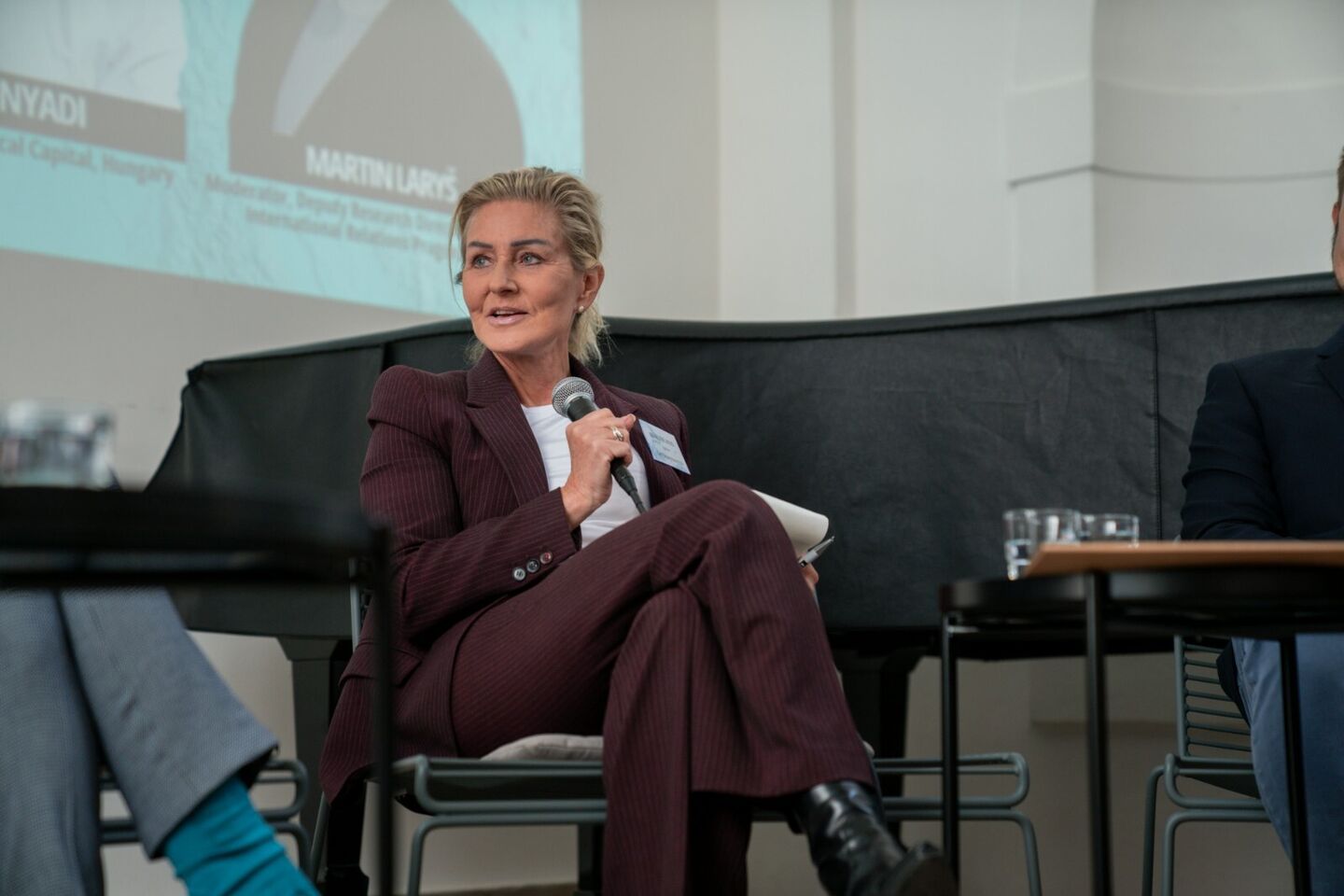
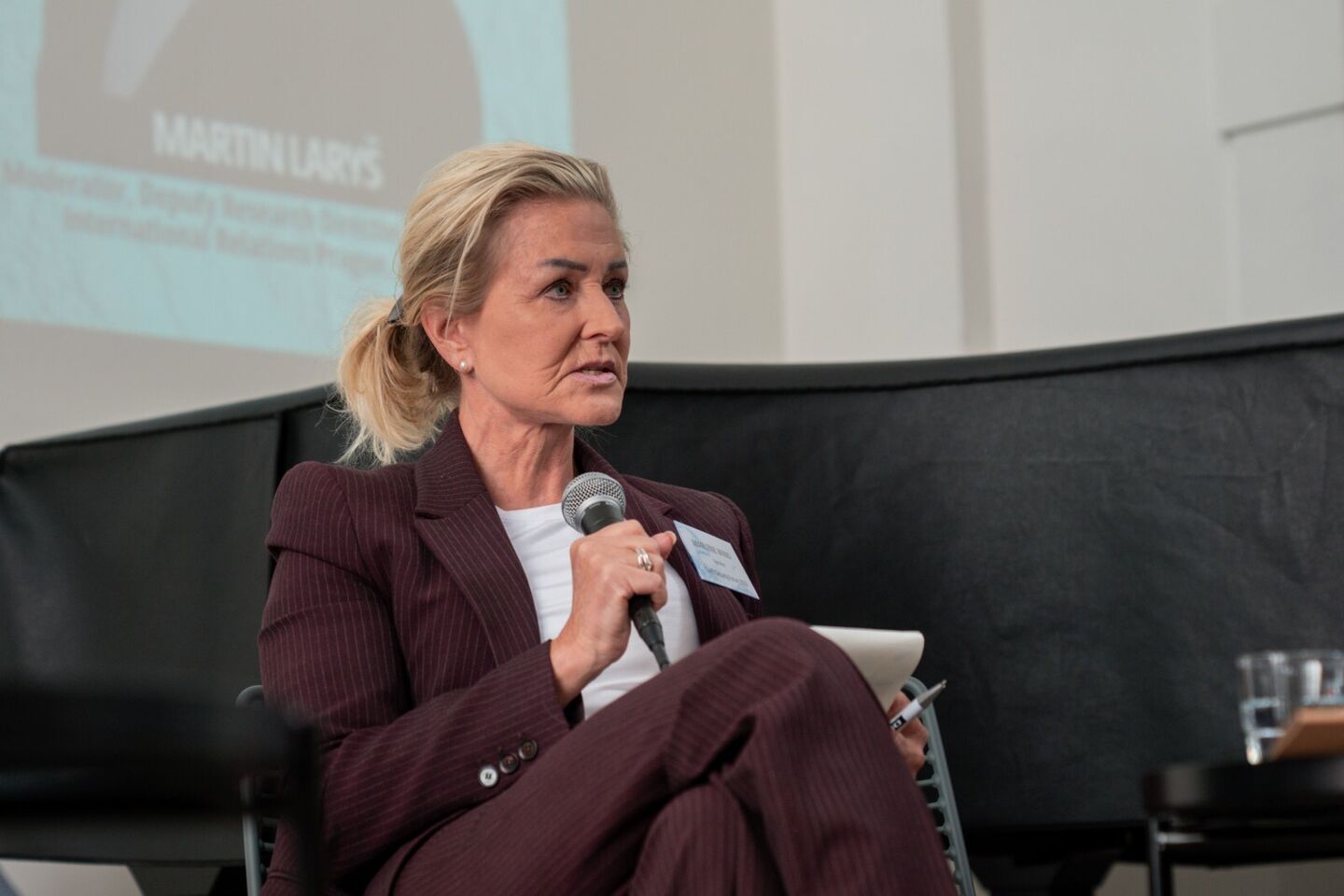
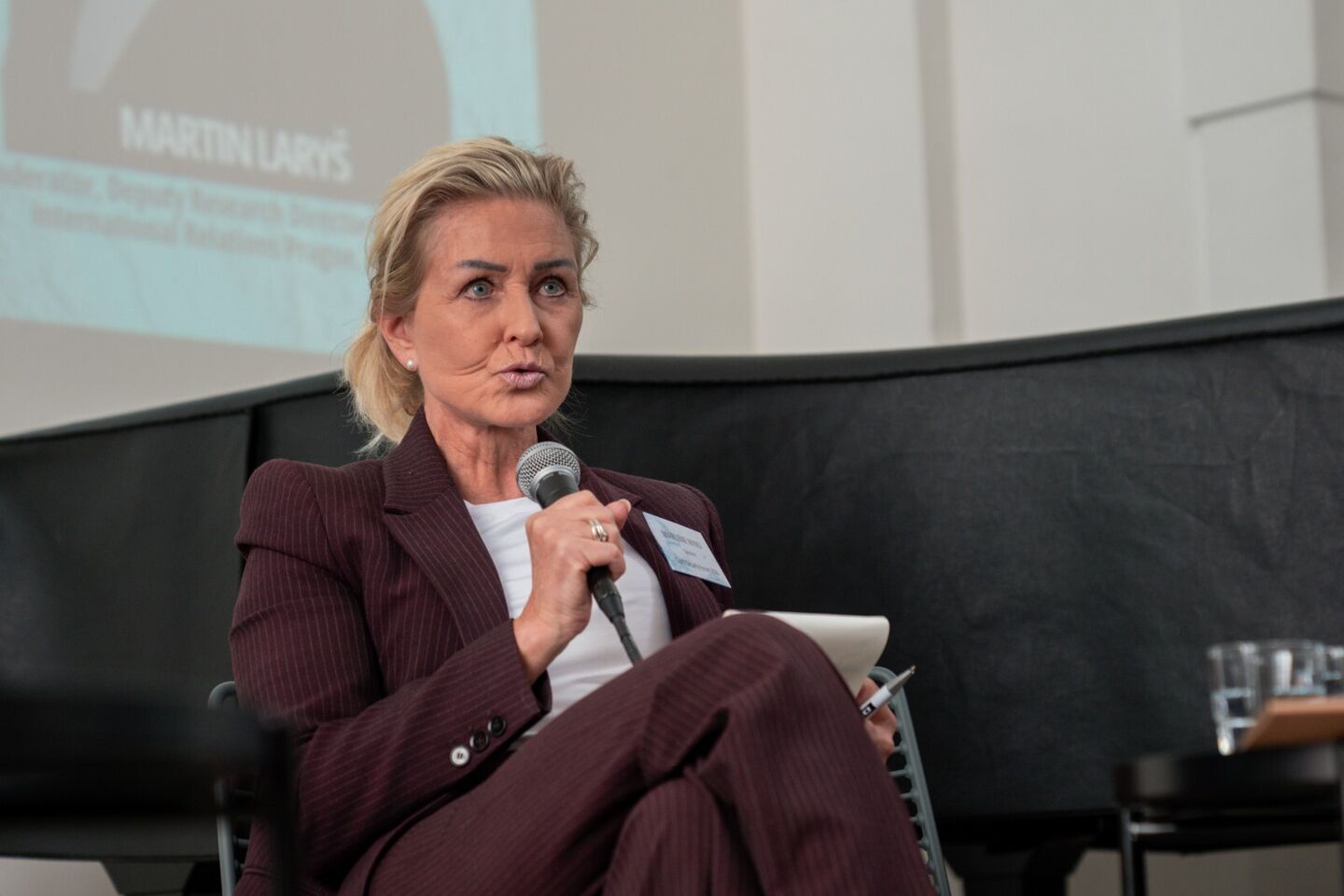
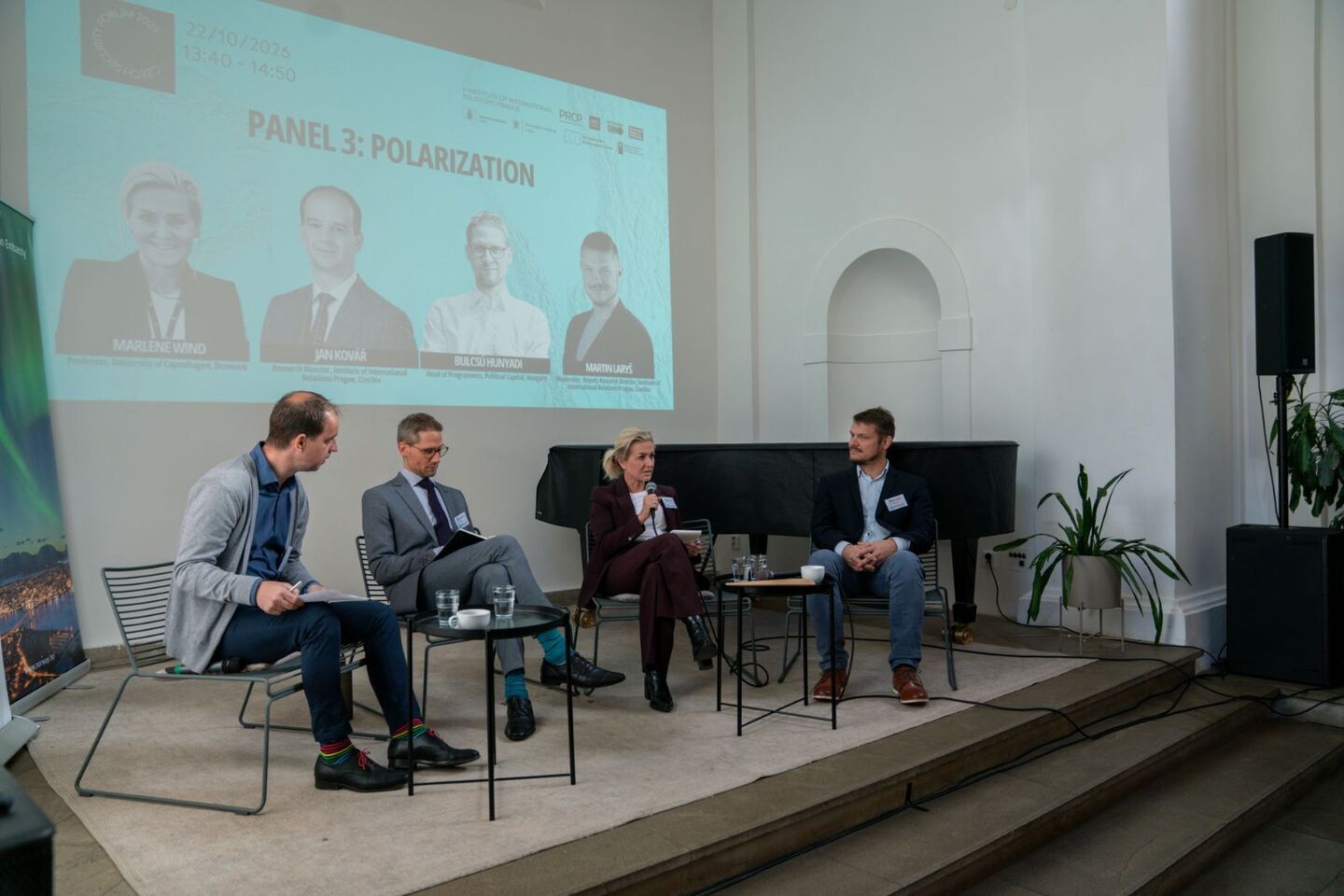
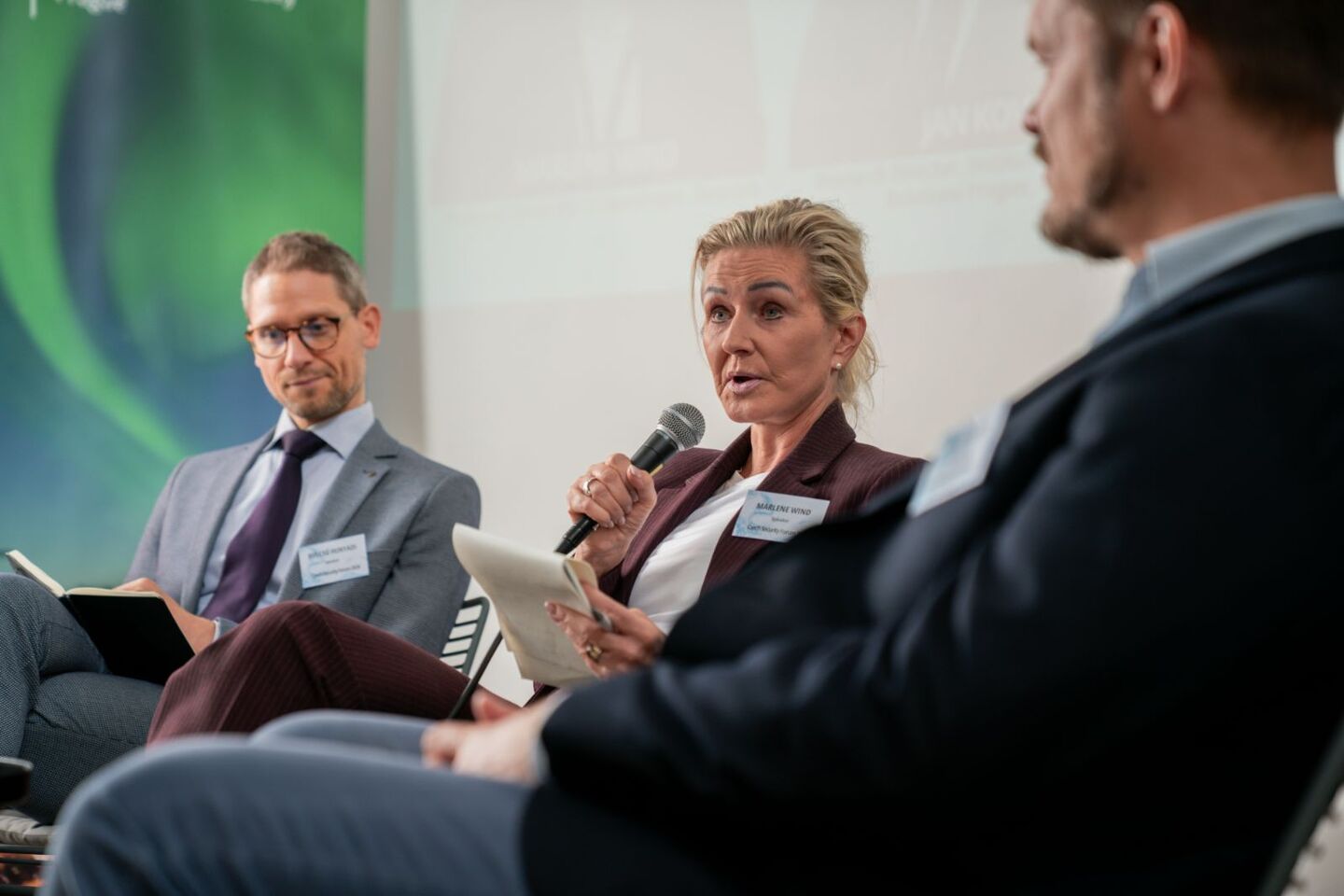
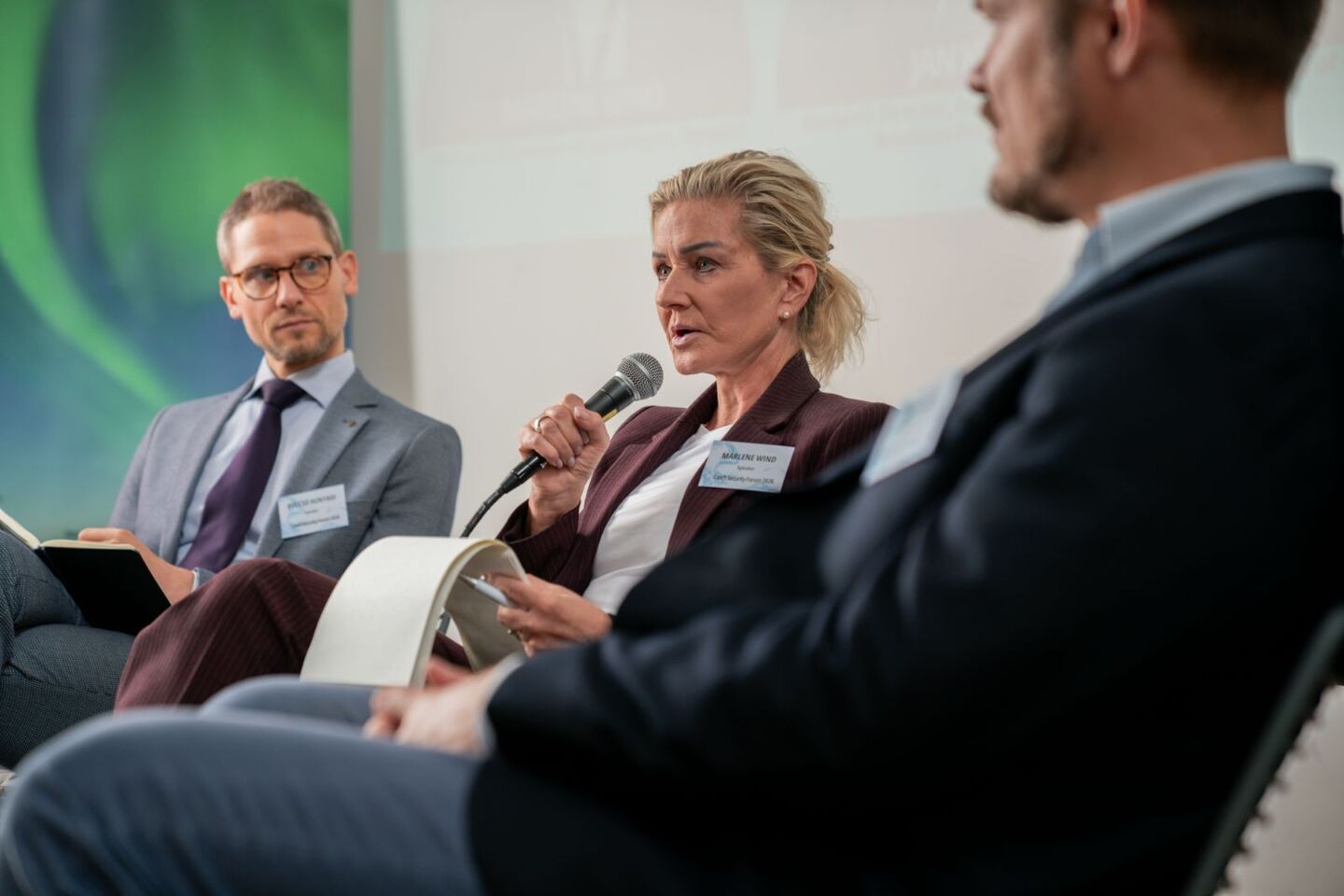
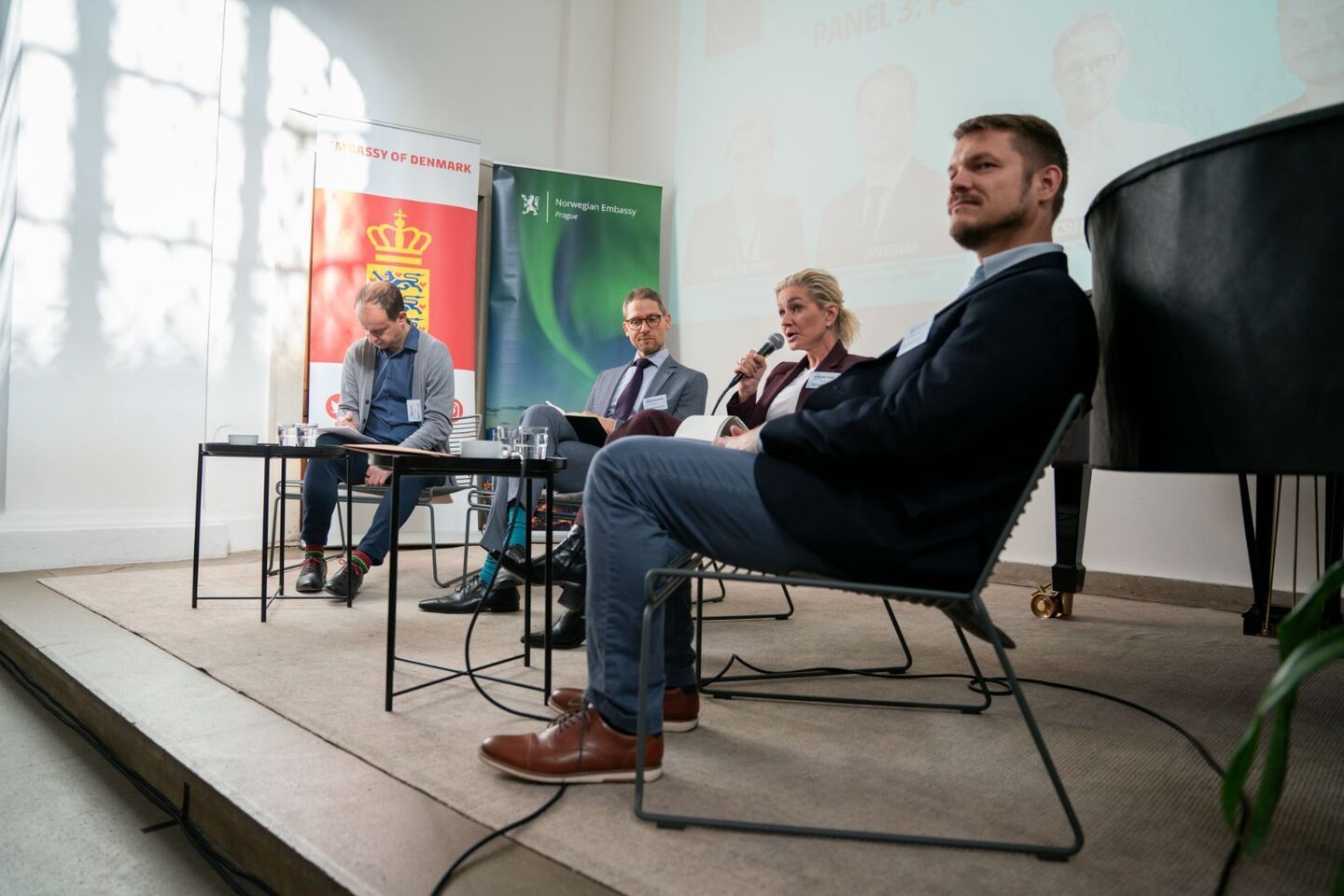
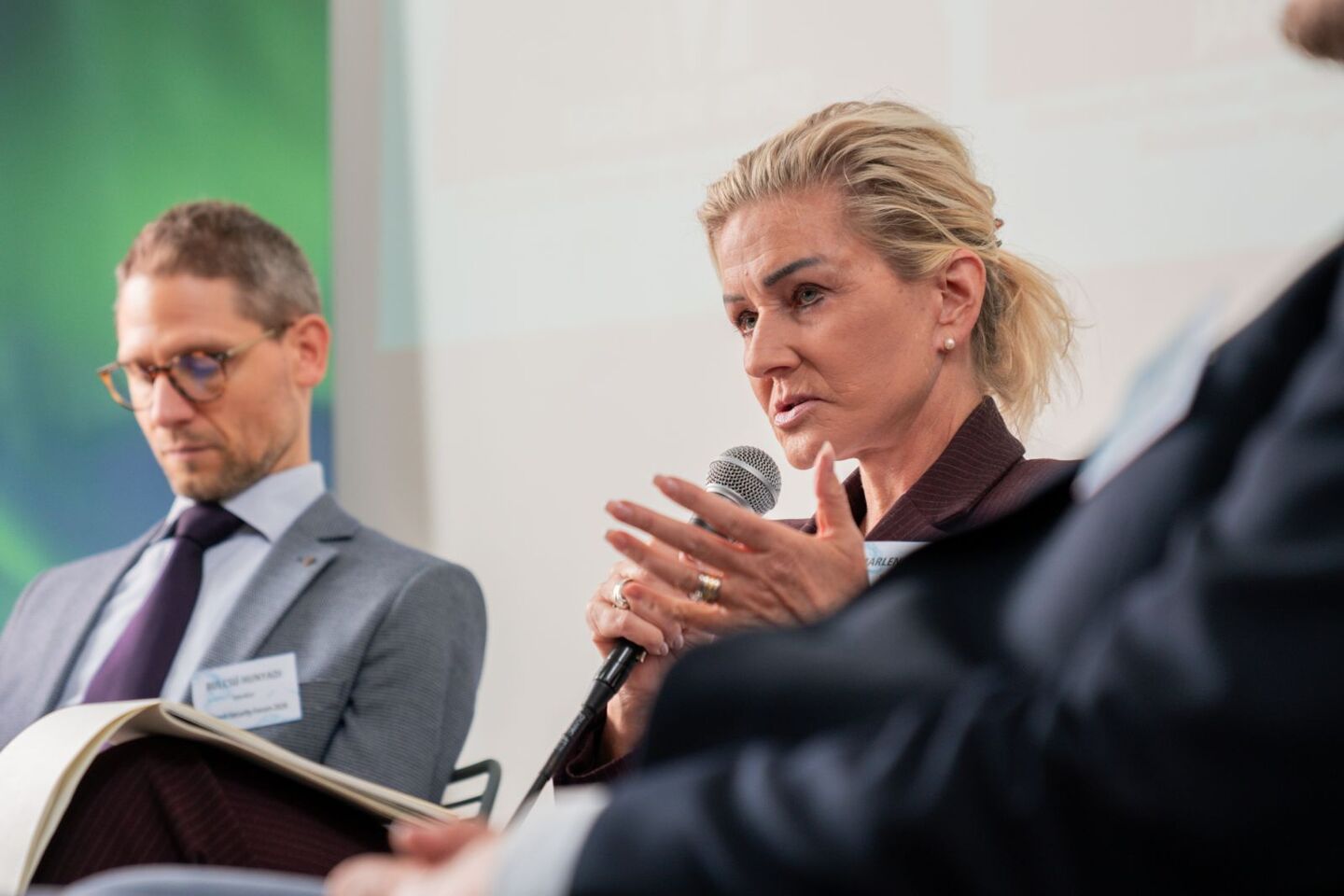
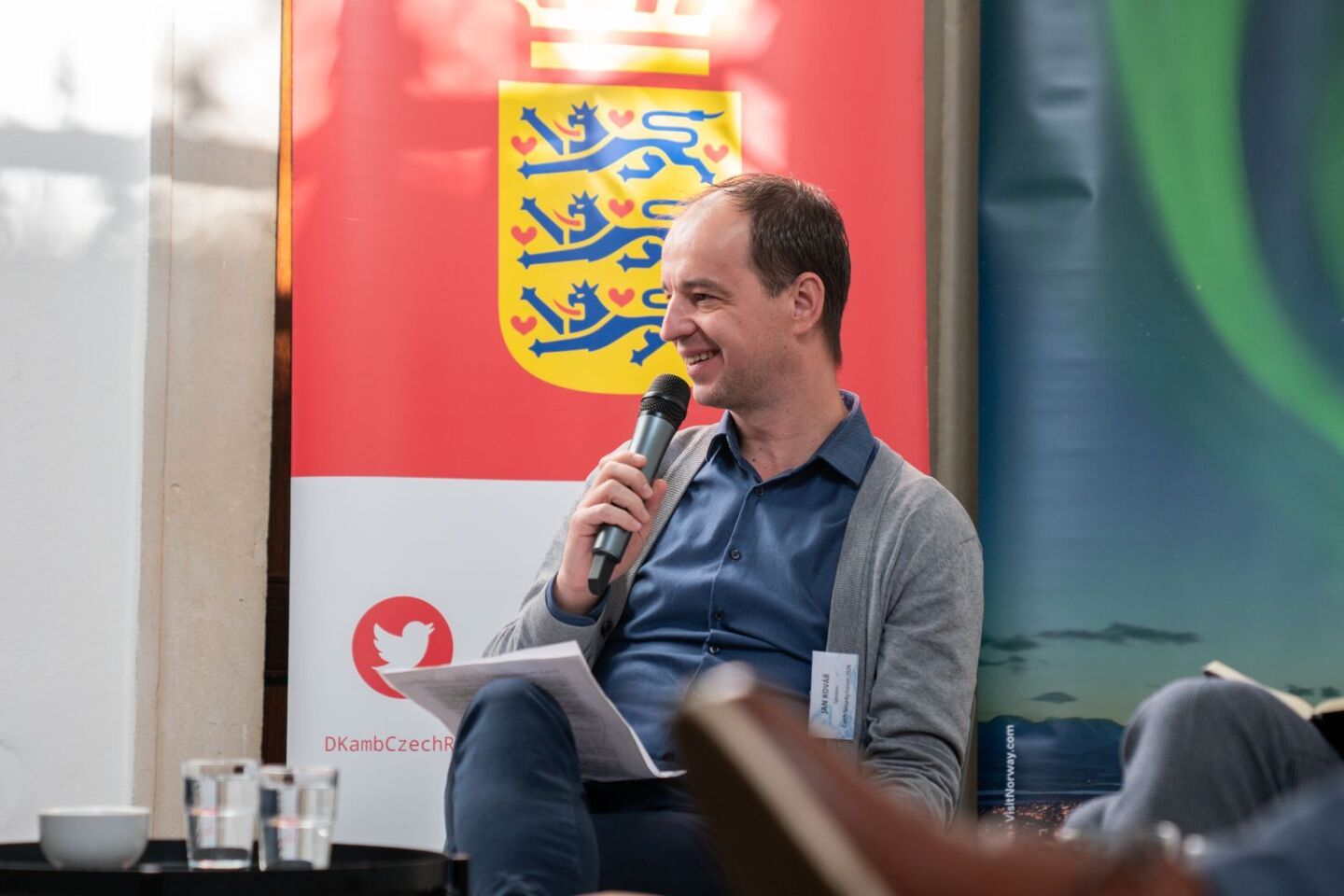
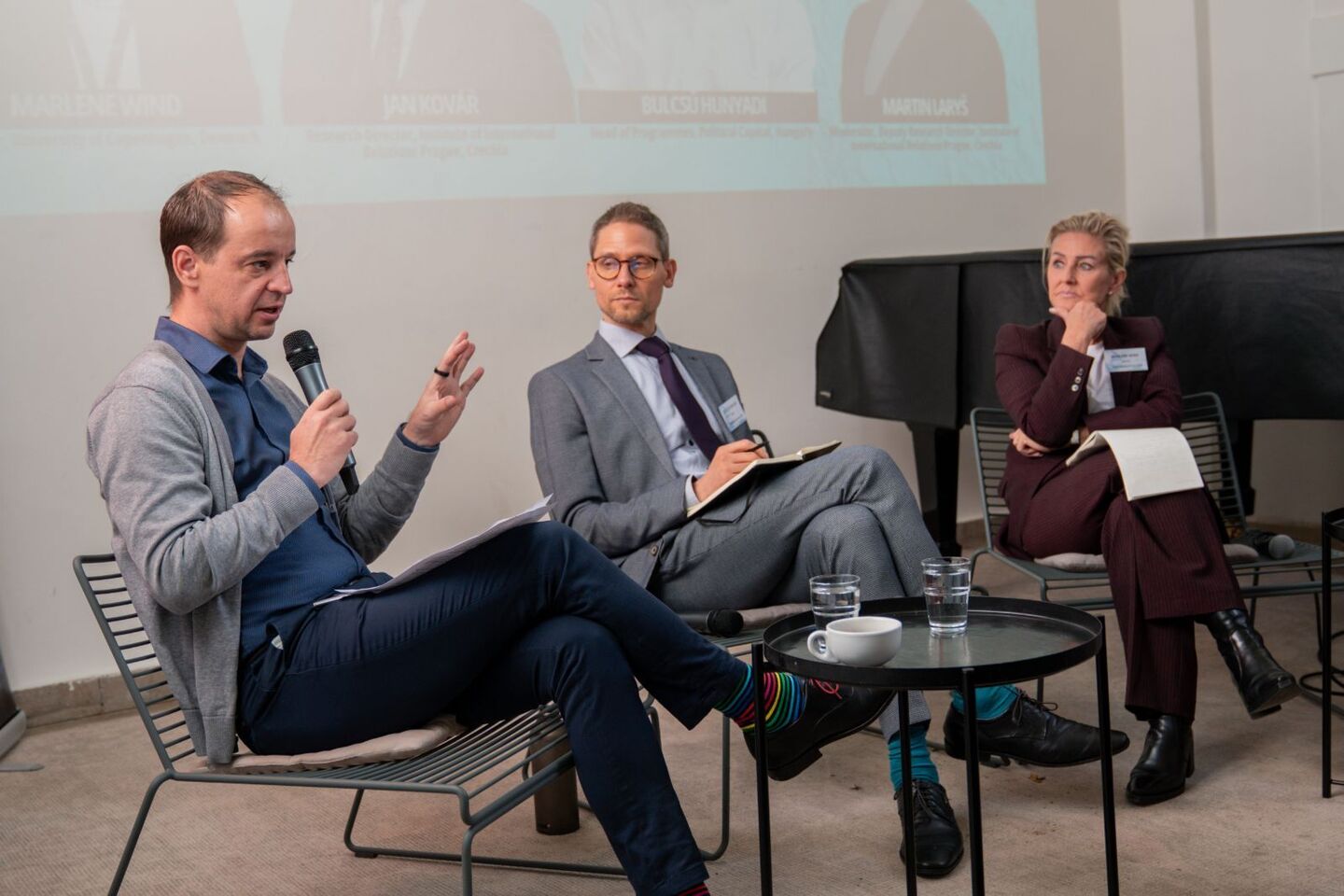
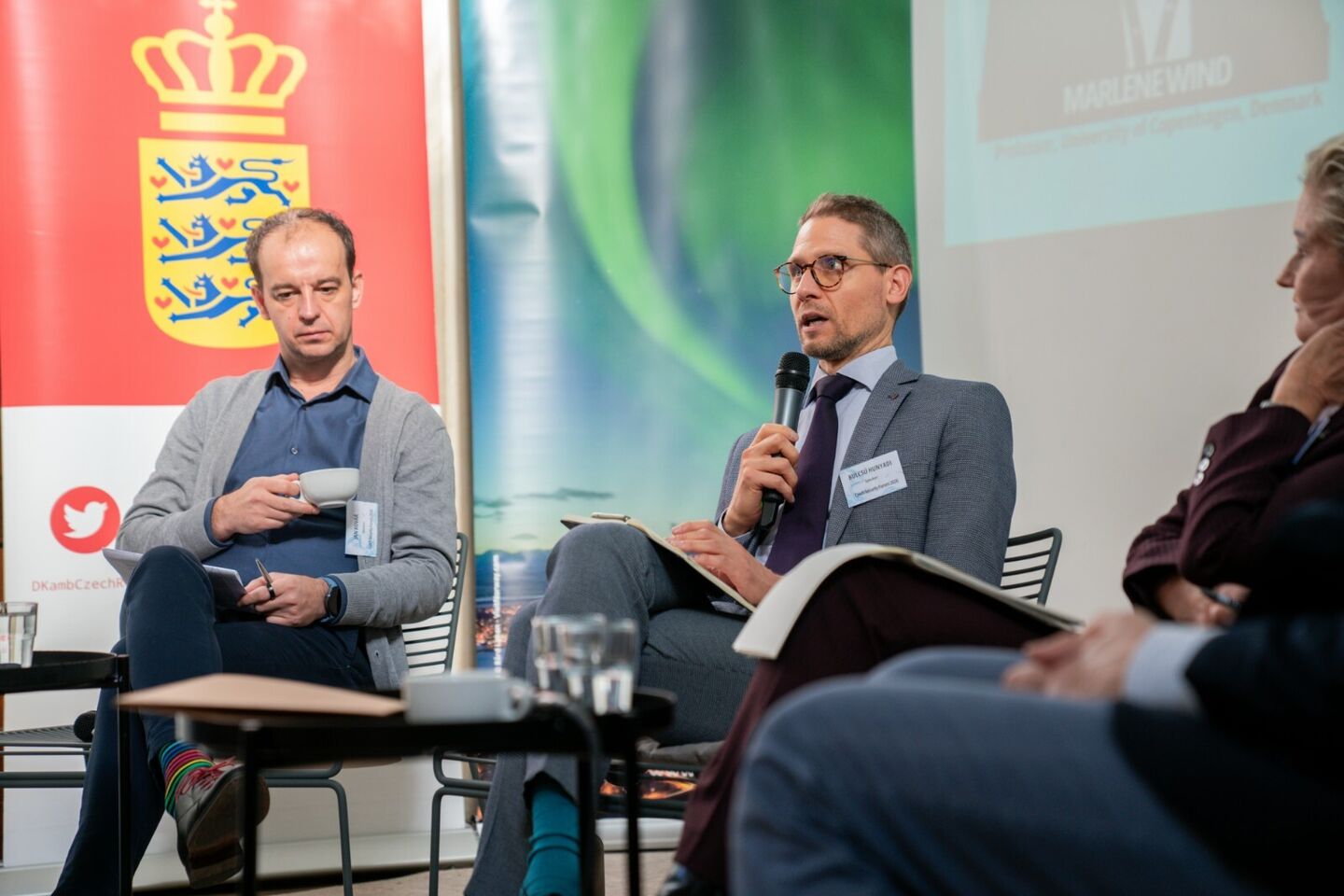
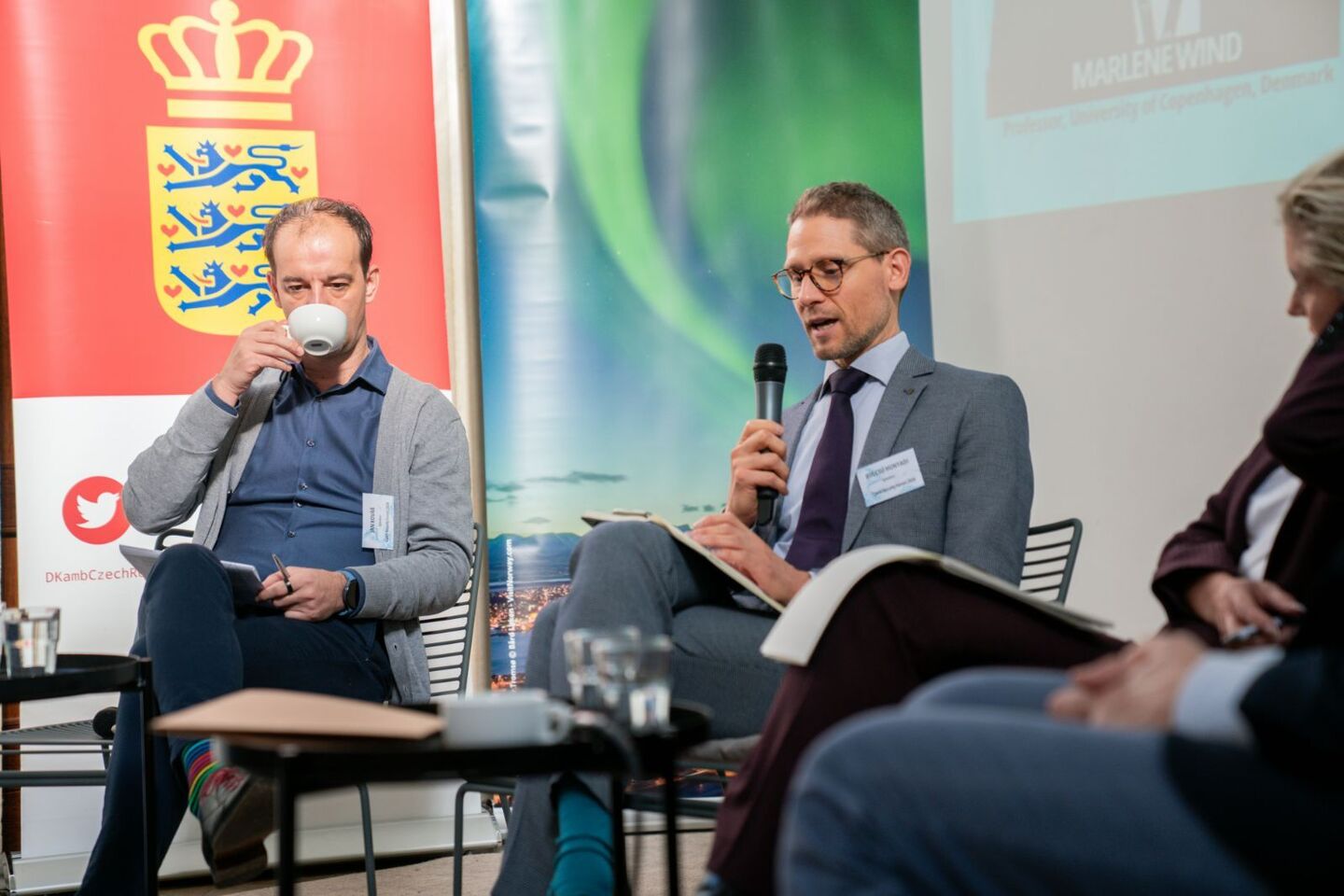
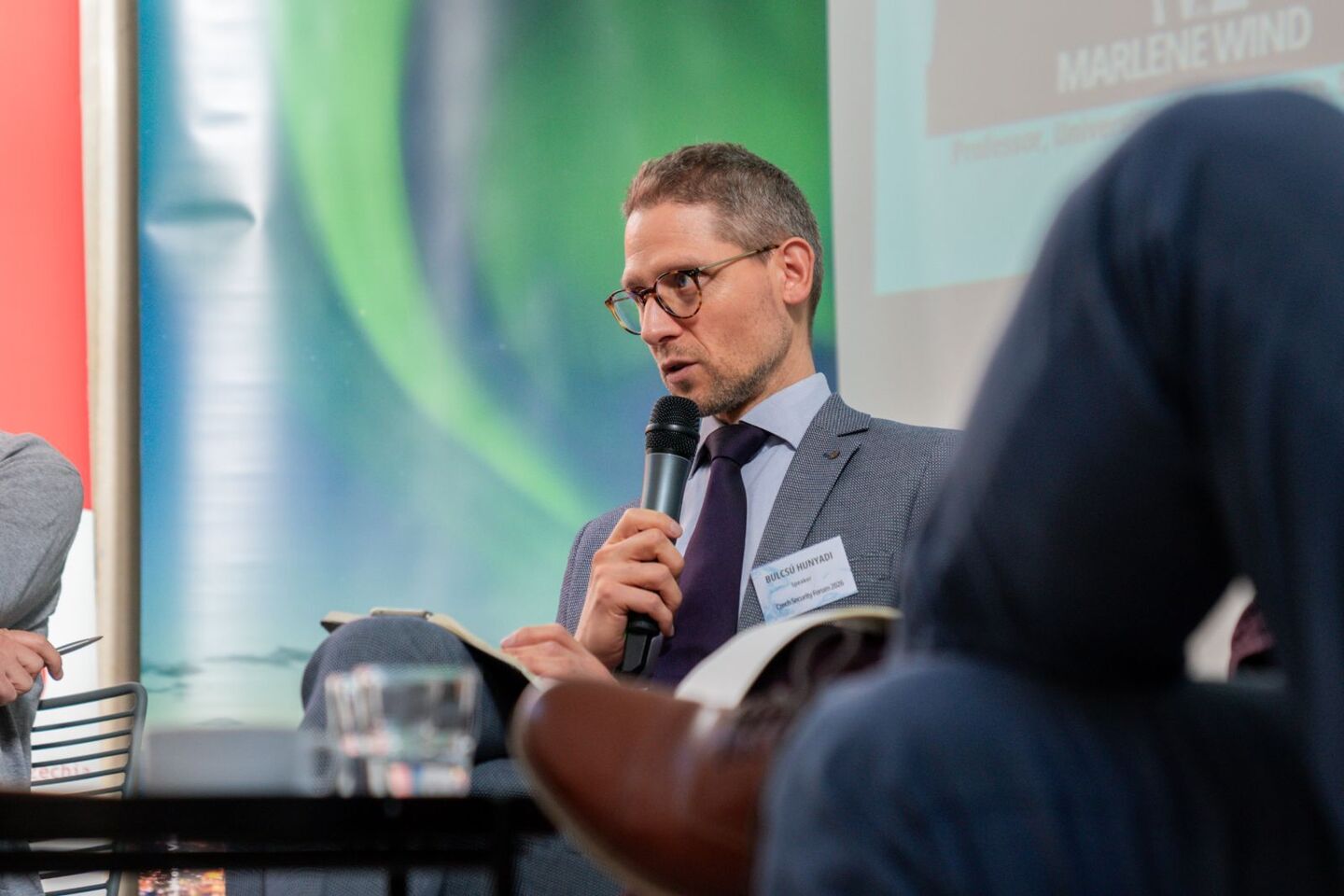
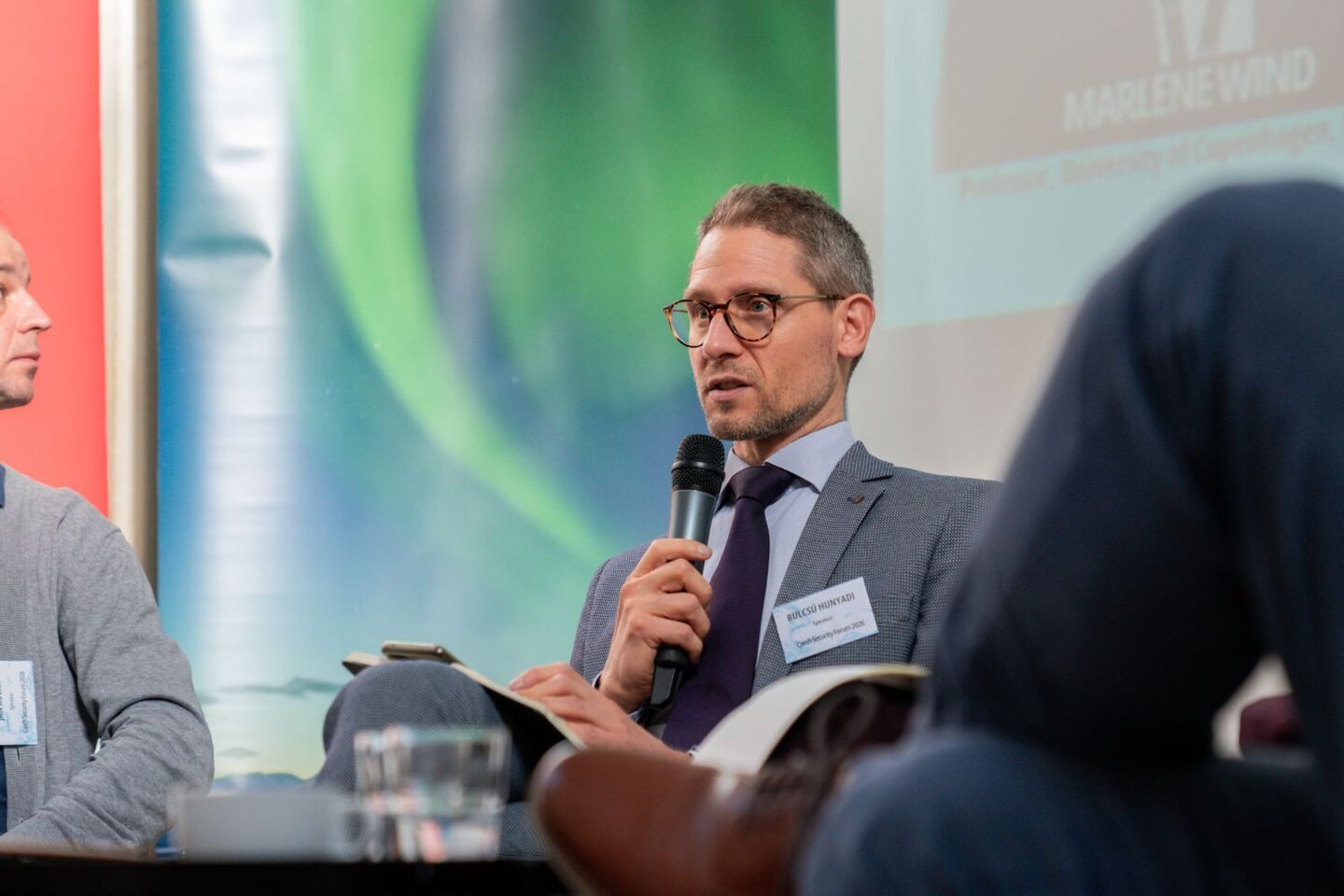
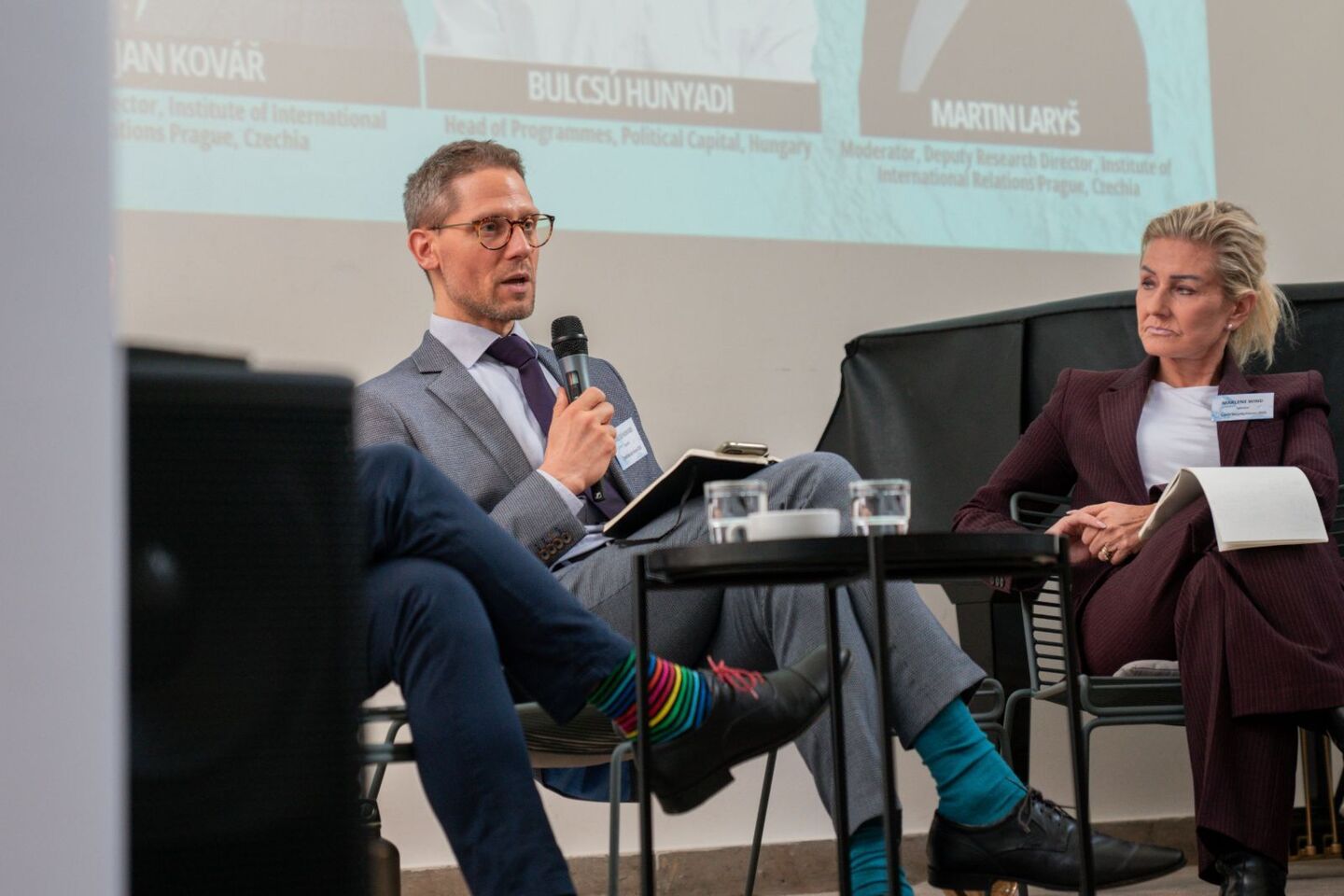
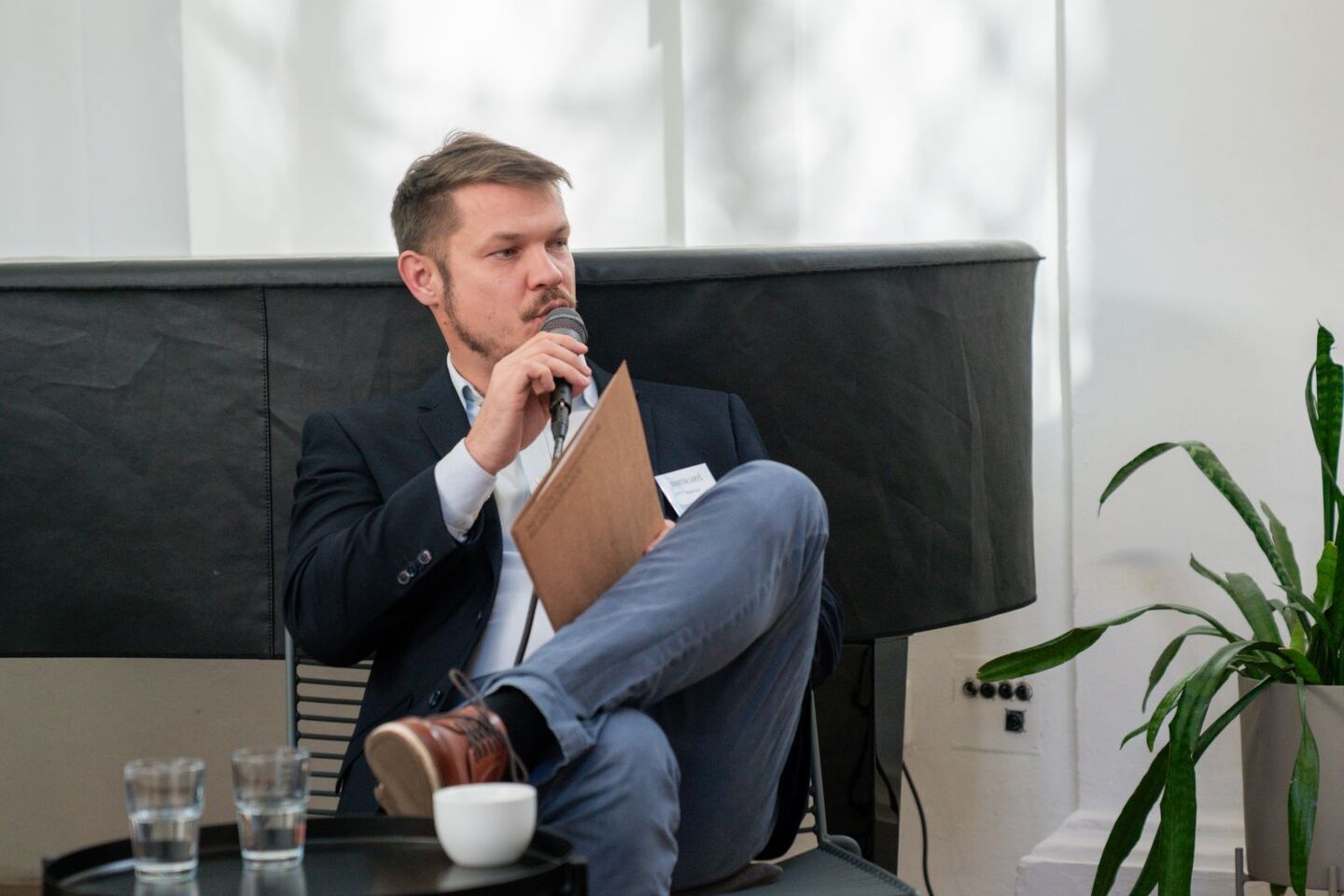
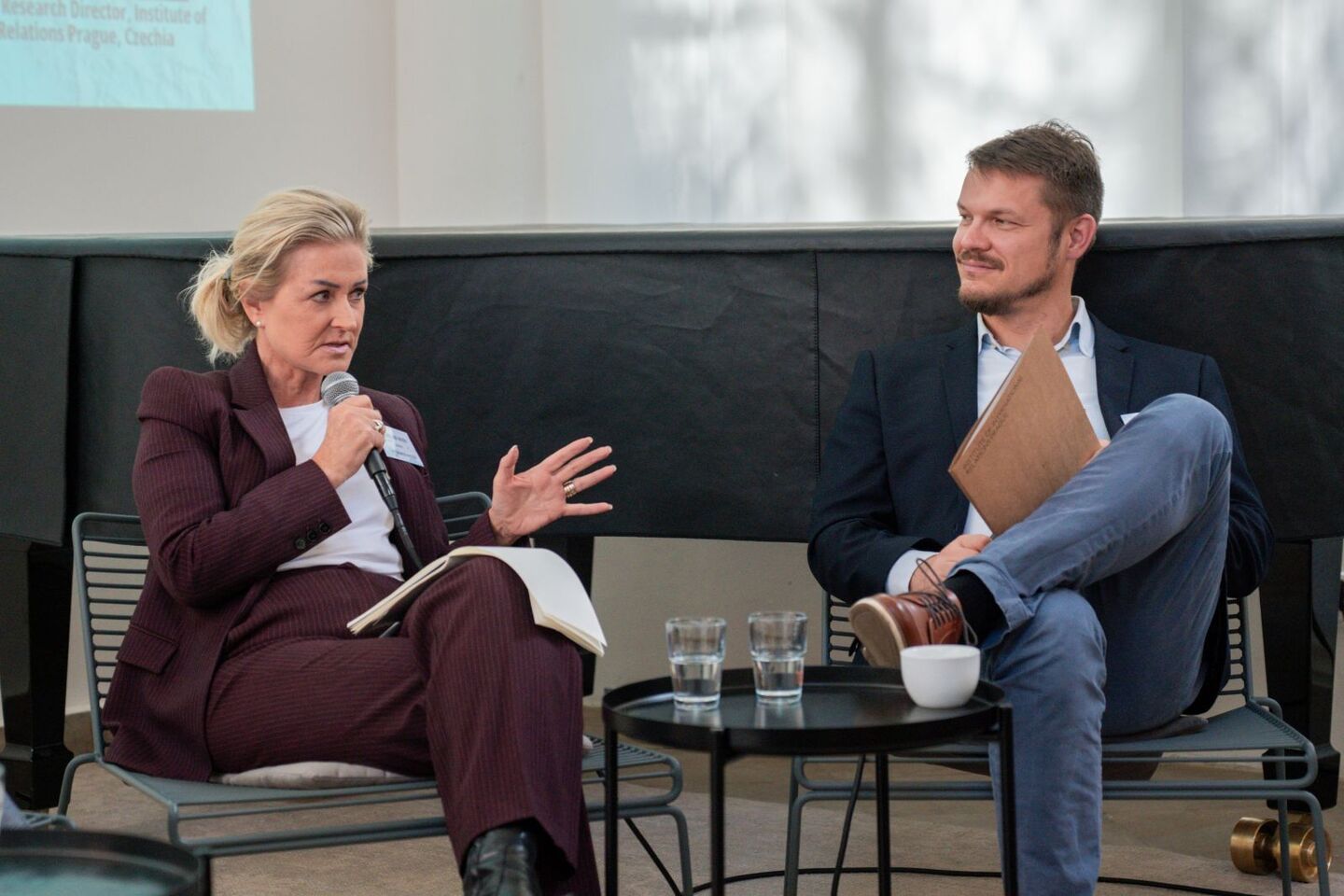
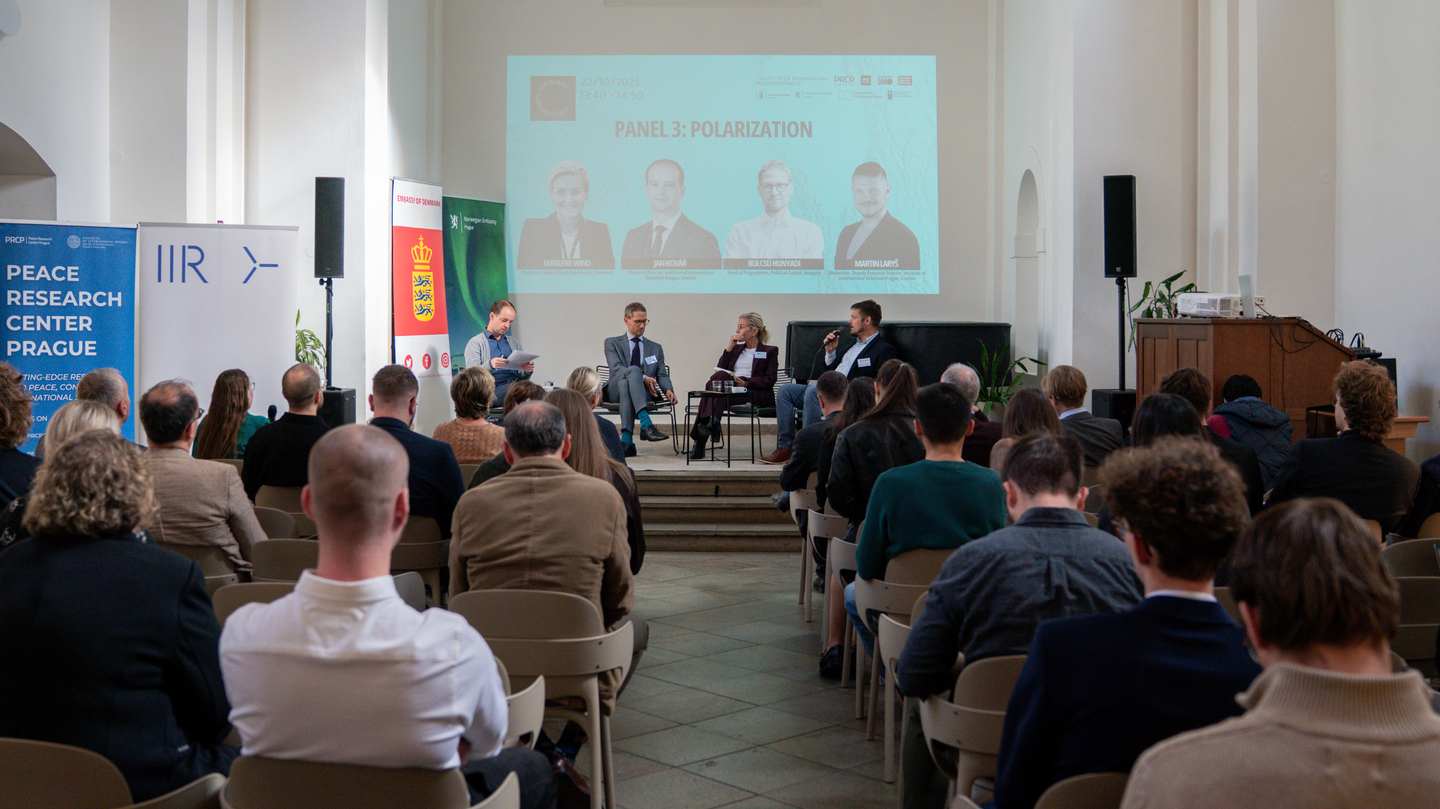
The final panel, moderated by Martin Laryš, Deputy Research Director at the IIR, focused on political polarization, its causes and the ways in which it can be used as an instrument of political power. Marlene Wind, Professor at the University of Copenhagen, highlighted the geopolitical dimension of polarization and stressed the distinction between social divisions that arise organically and polarization that is deliberately intensified by political leaders.
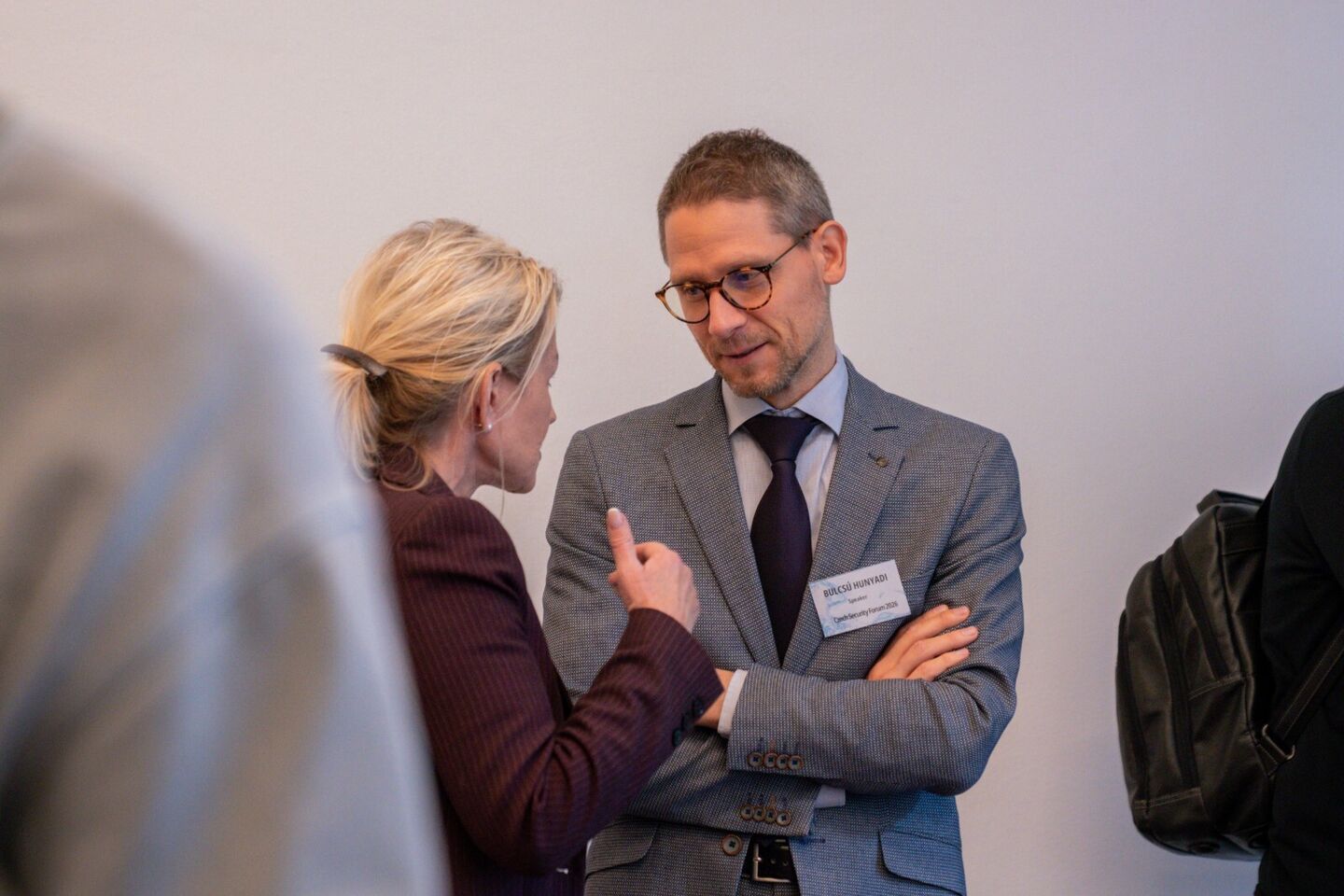
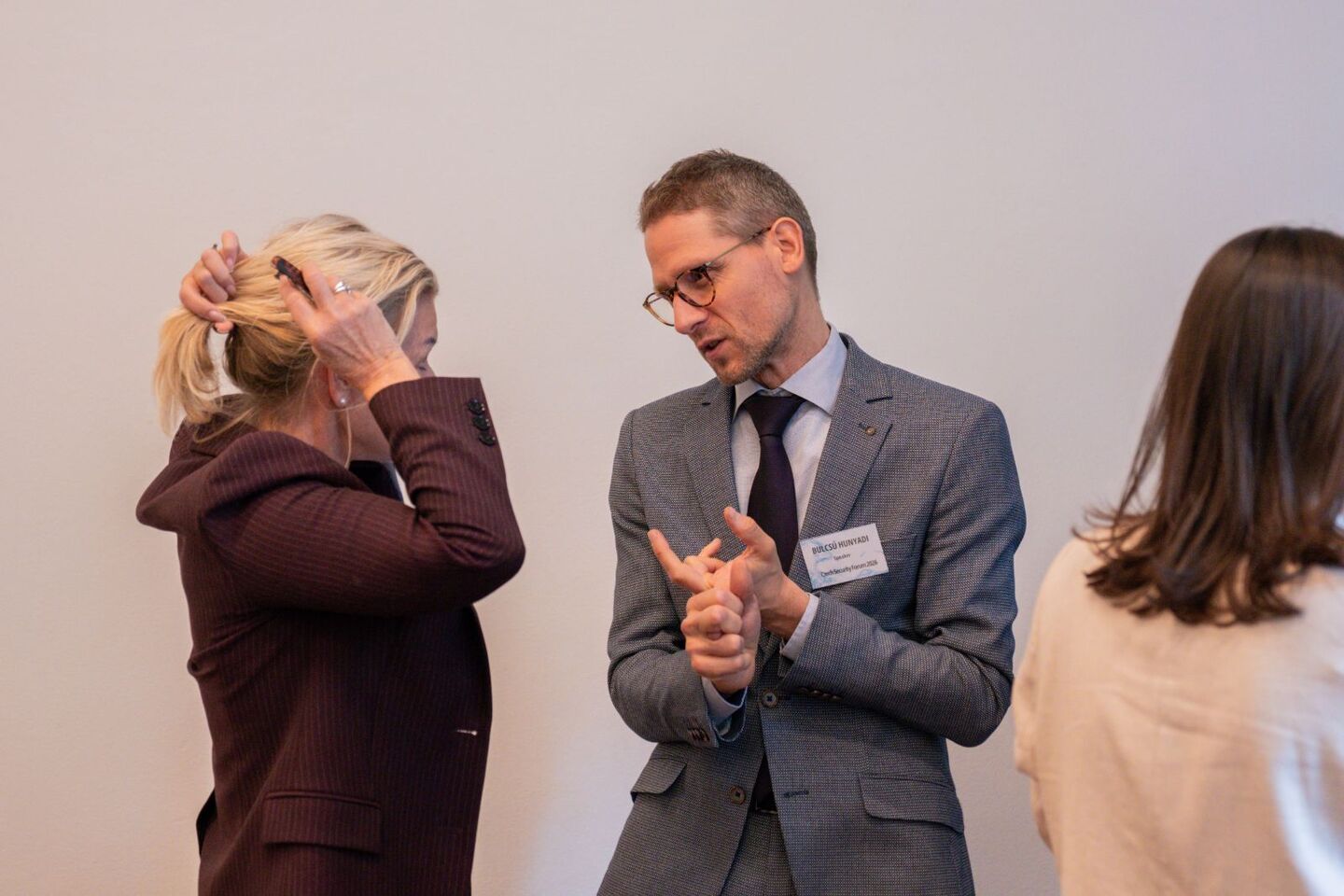
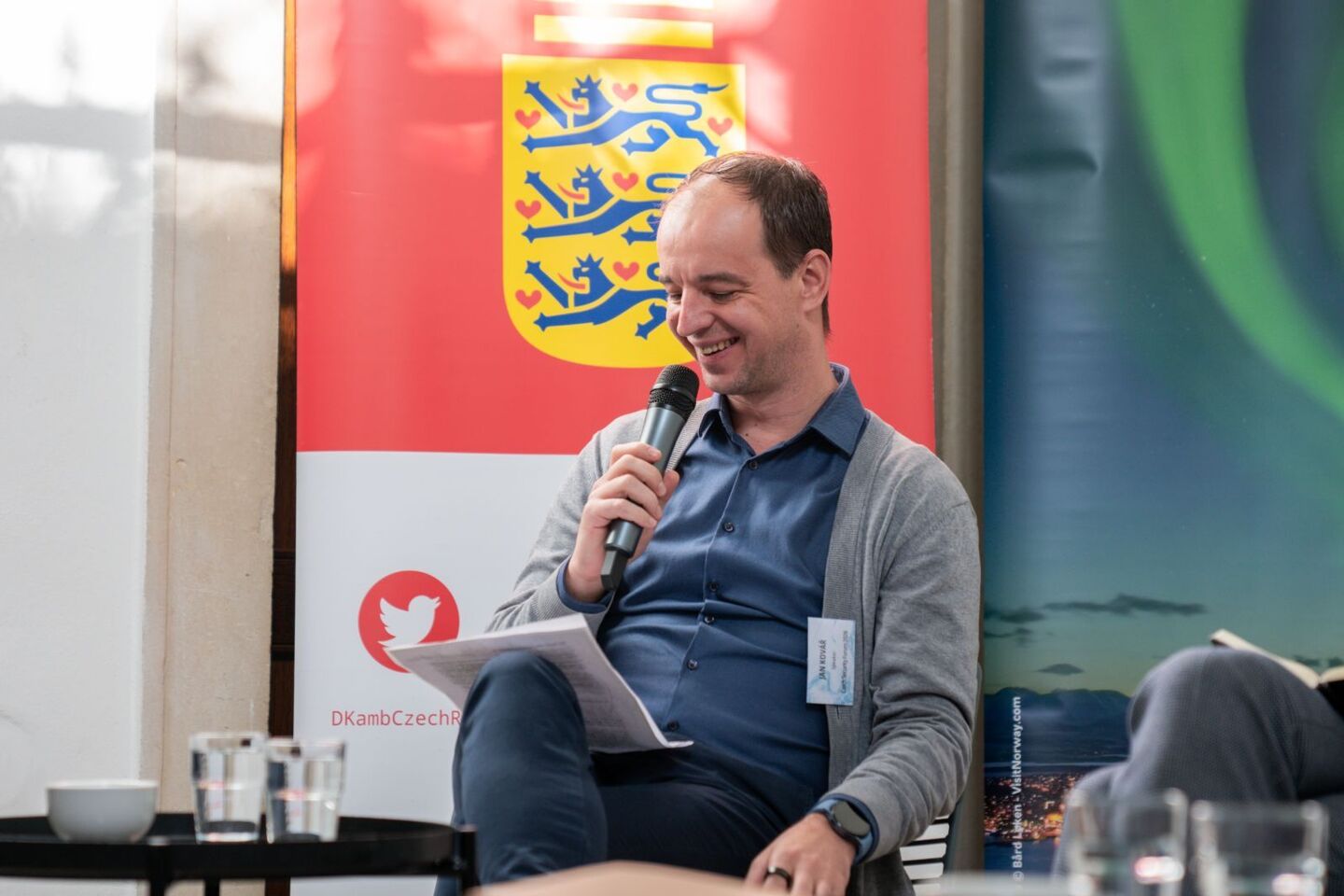
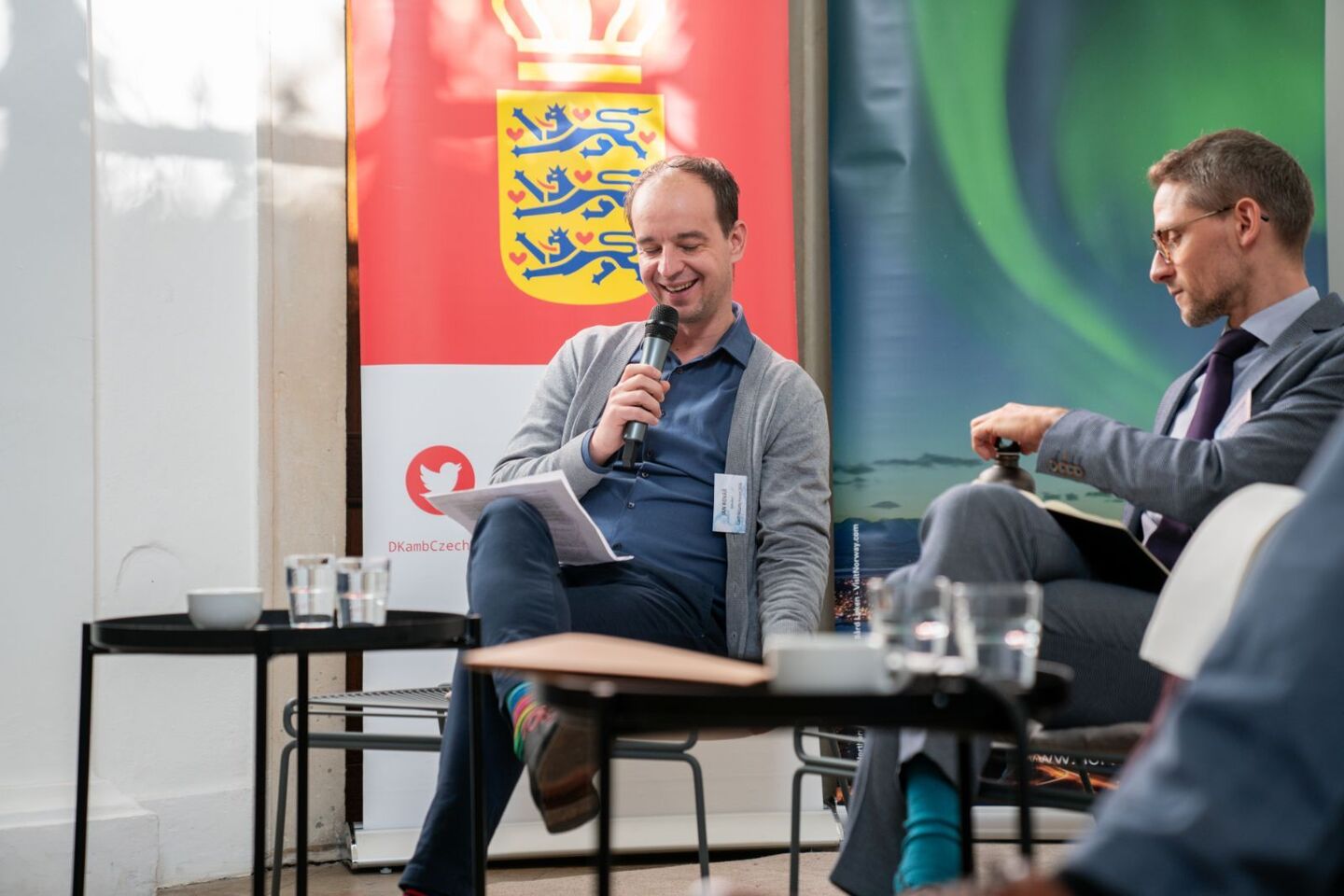
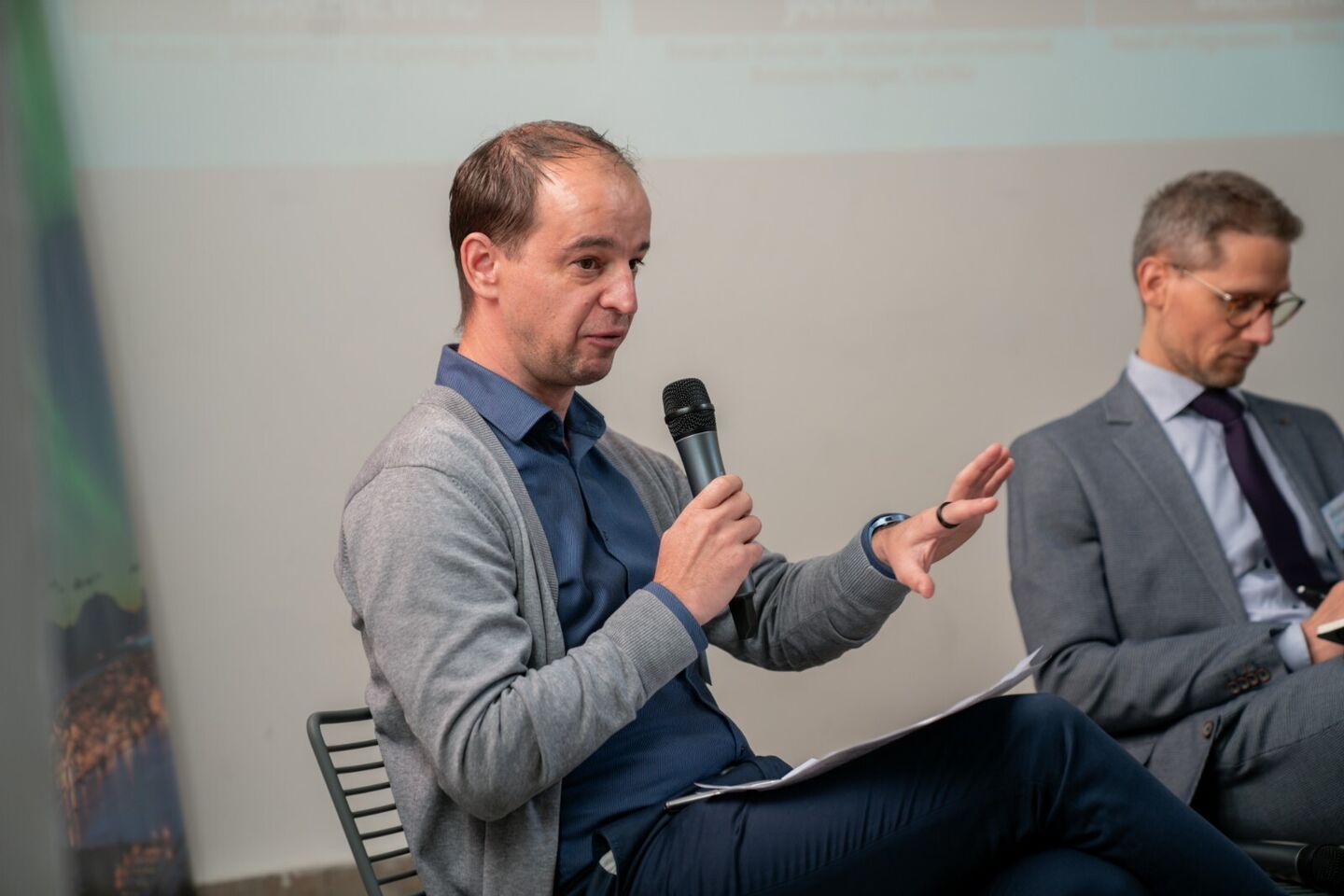
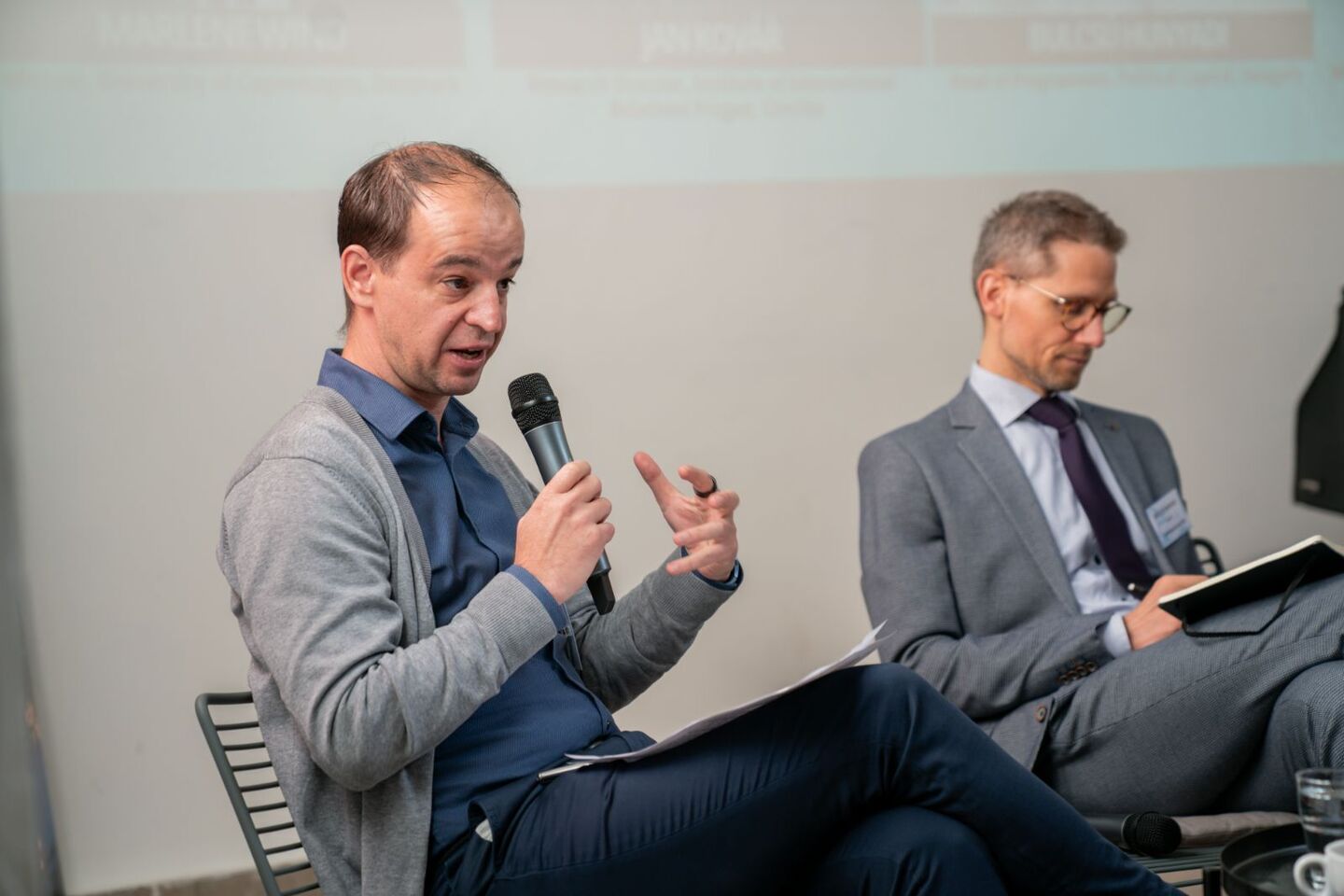
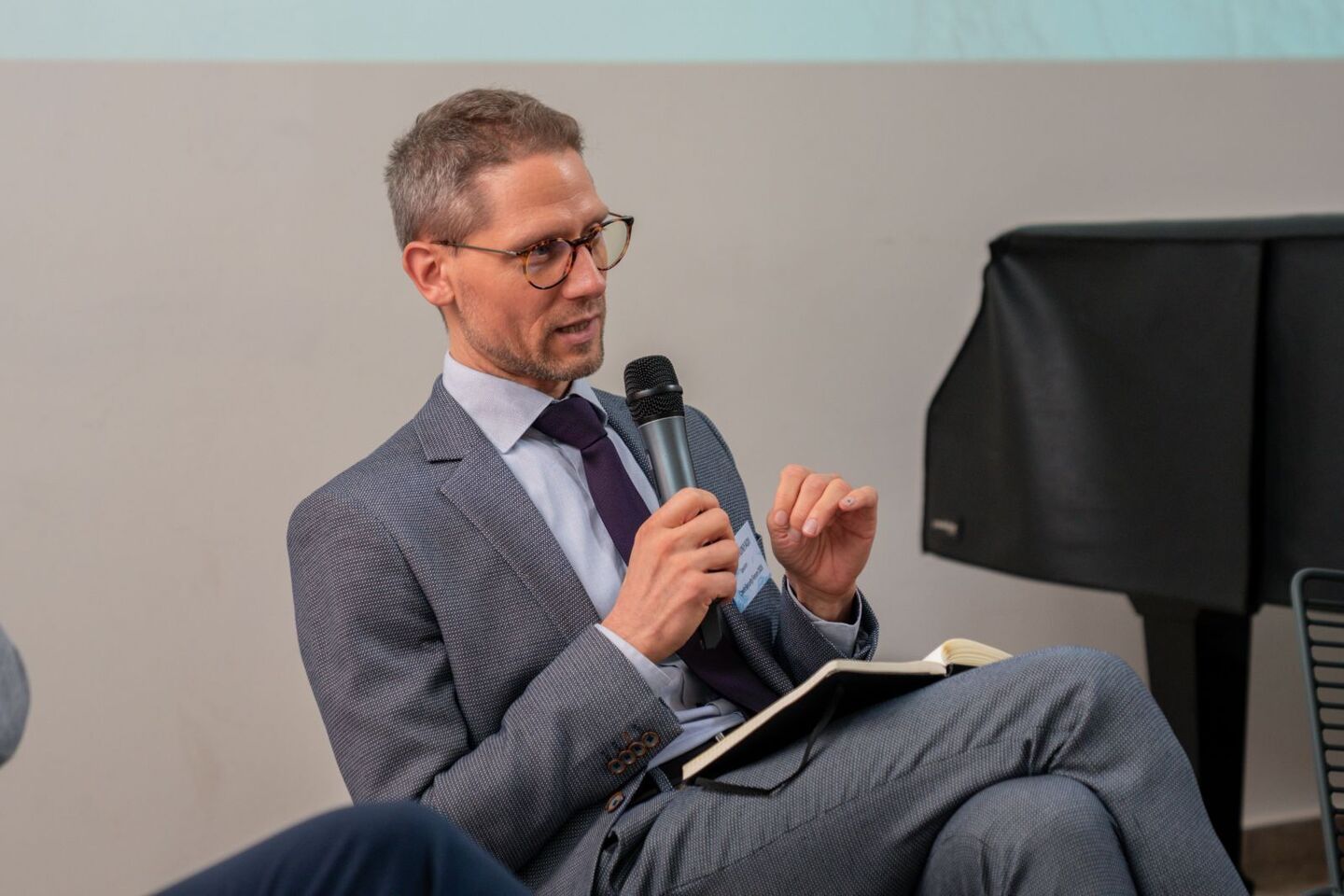
Jan Kovář, Research Director at the IIR, explored the interconnected nature of economic, cultural and value-based conflicts and how differing attitudes towards the European Union, the role of the state and social change can develop into broader lines of political polarization. Bulcsú Hunyadi, Head of Programmes at Political Capital, then used Hungary as an example to illustrate how top-down polarization can operate through control of the information environment, systematic manipulation and political mobilisation.
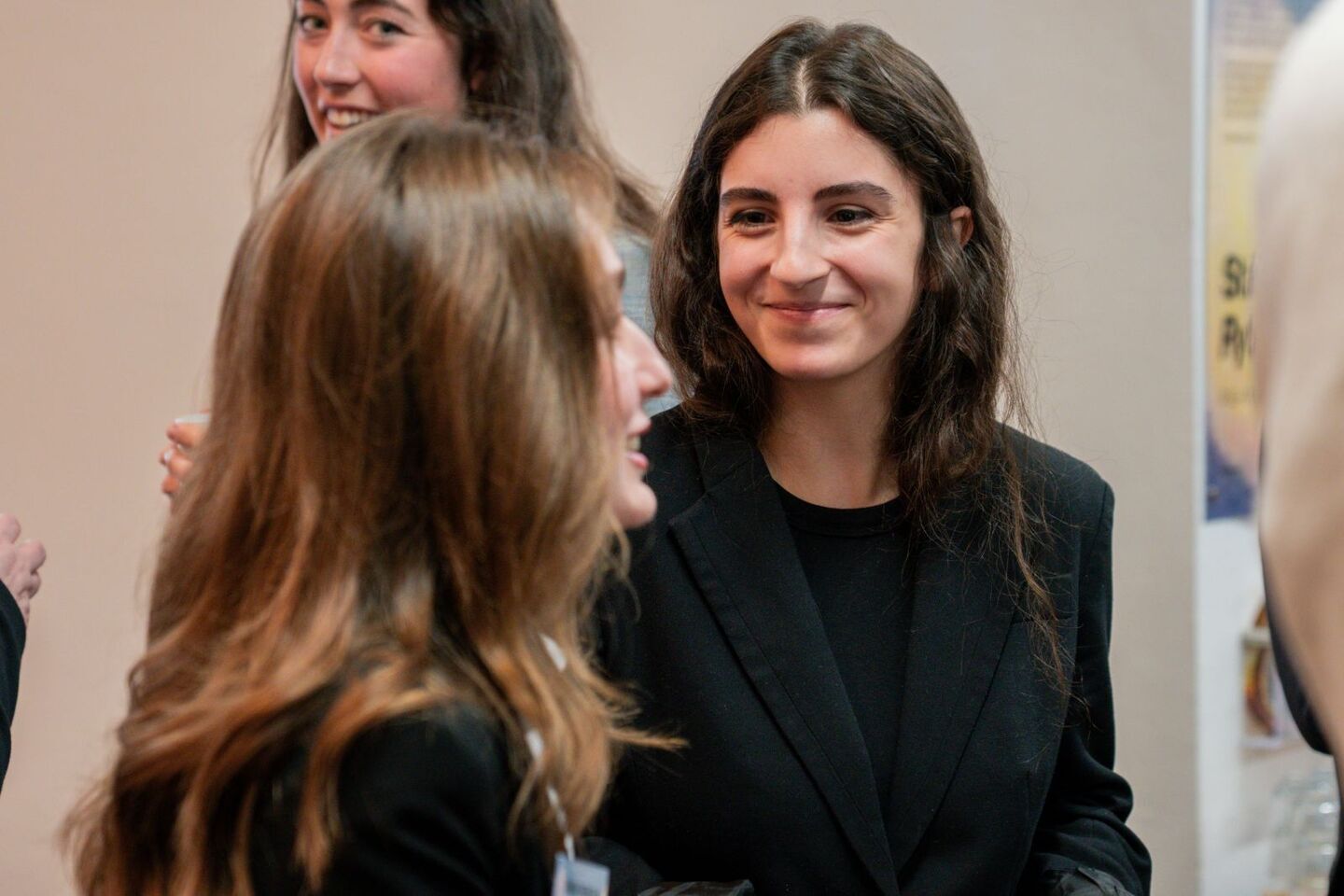
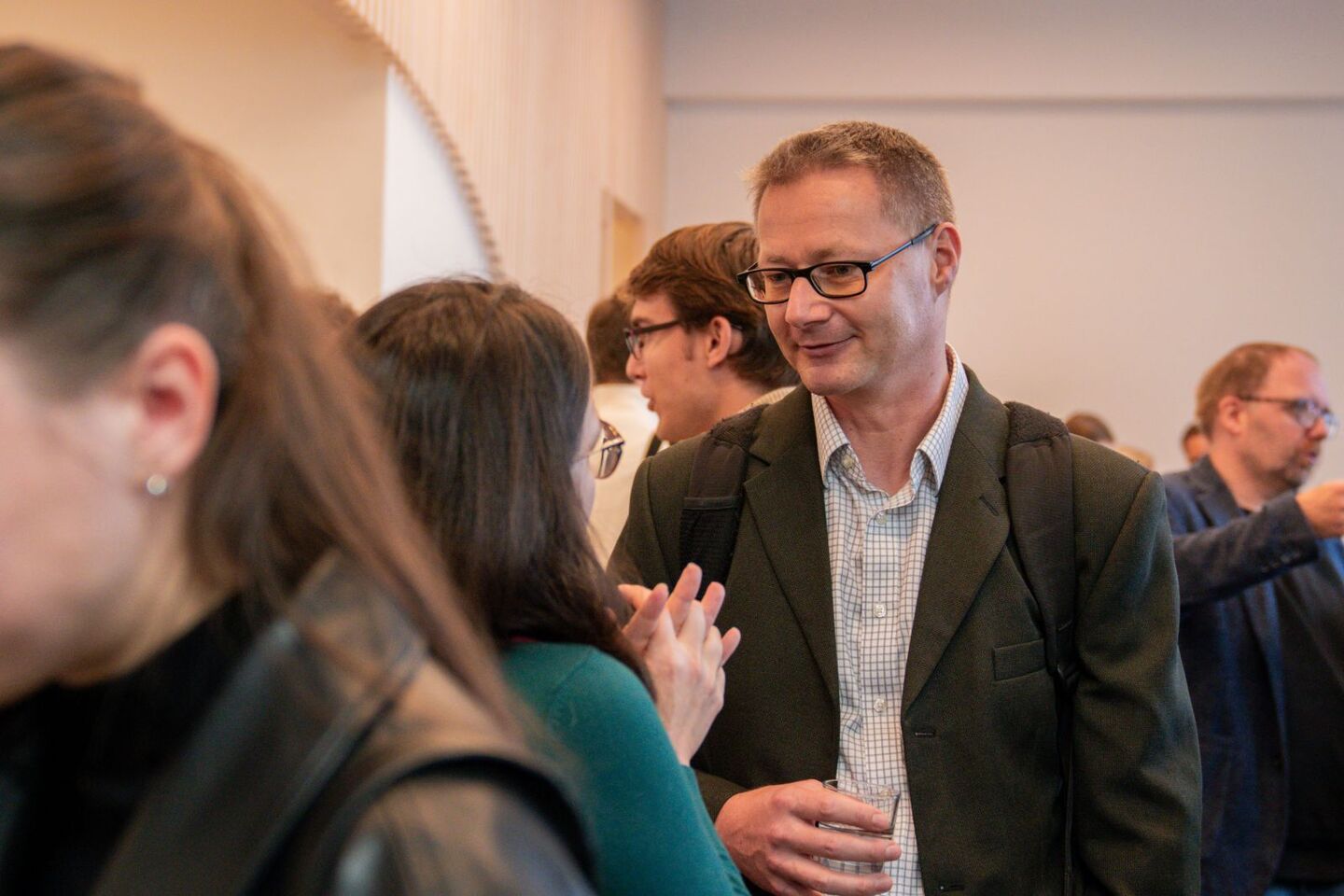
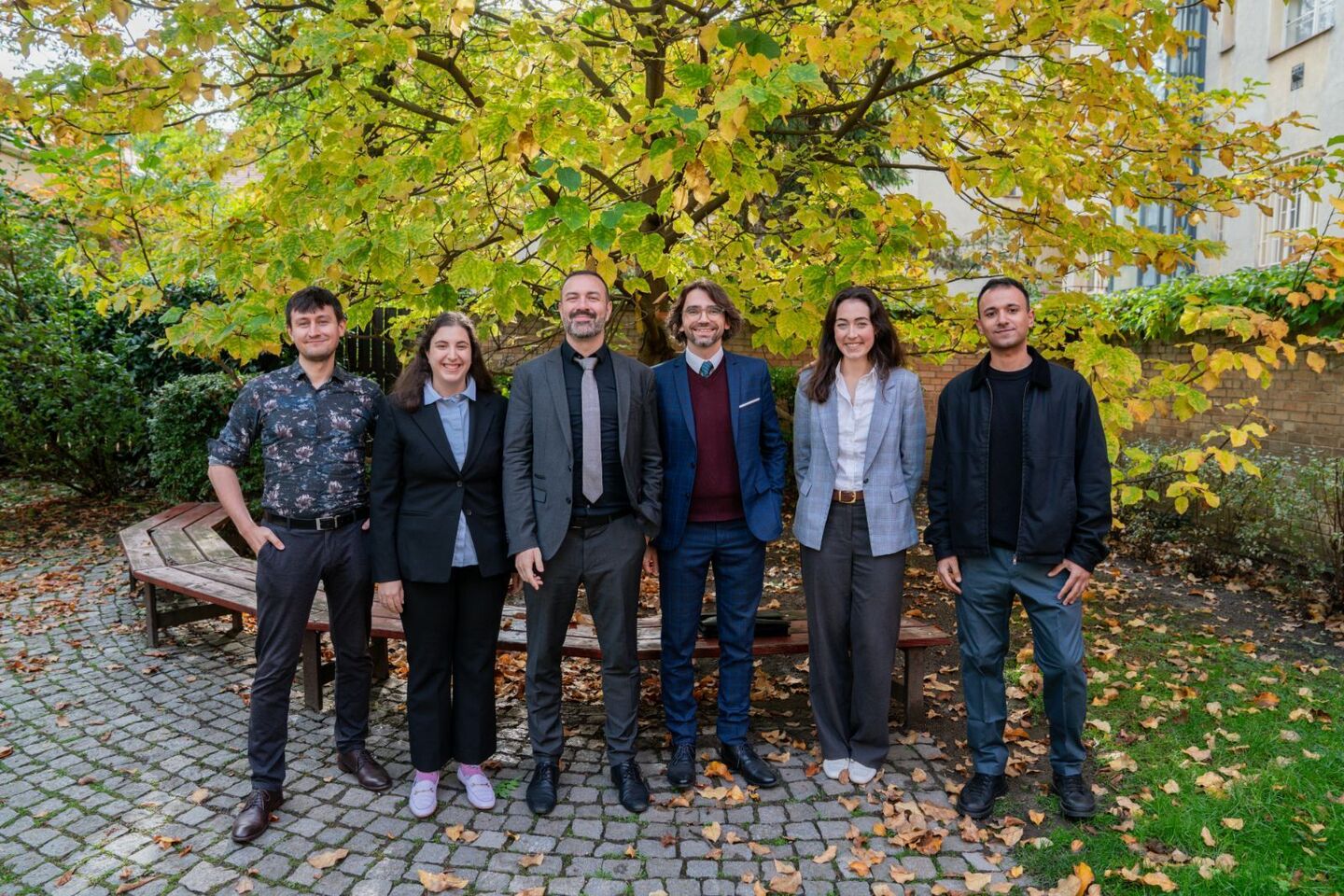
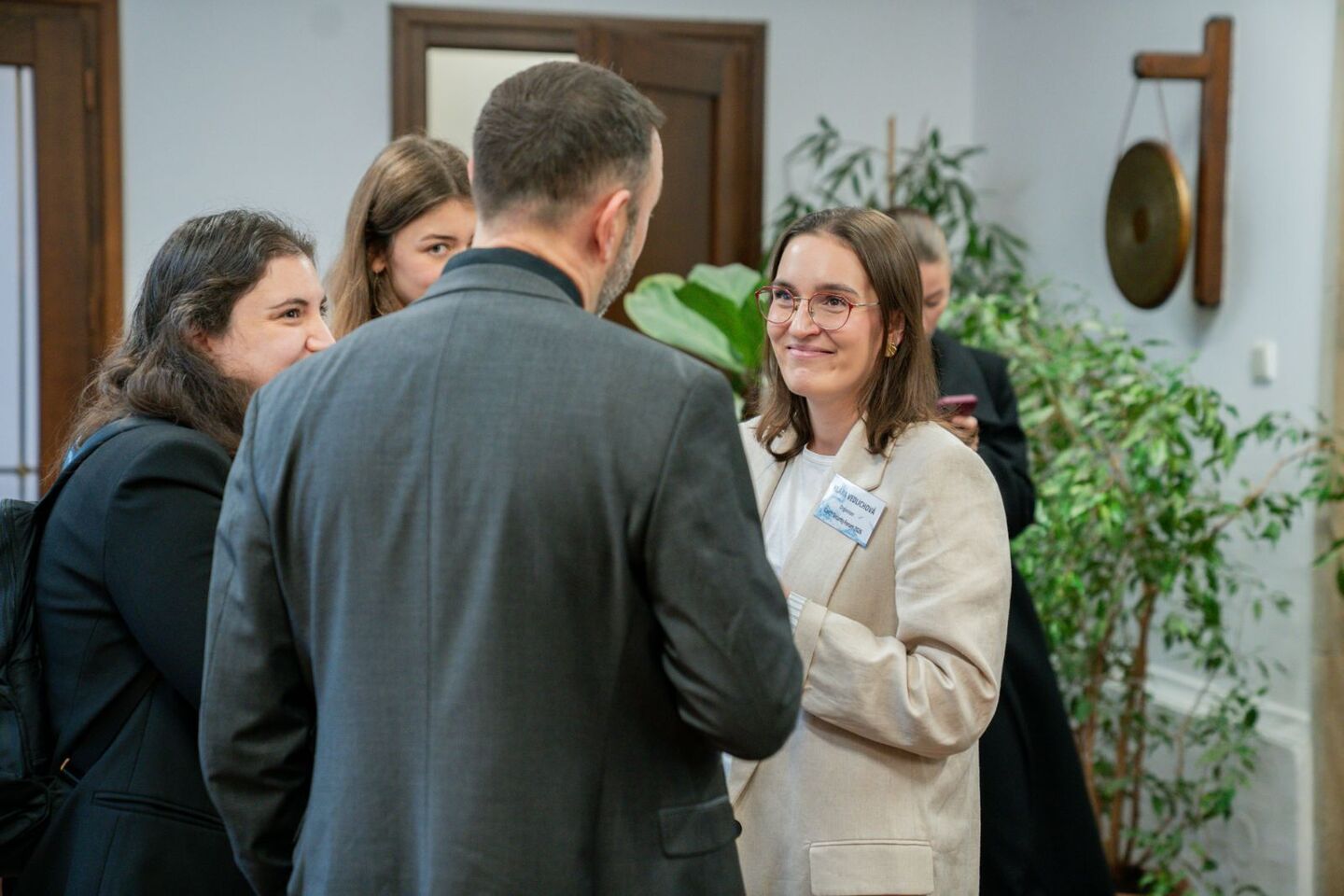
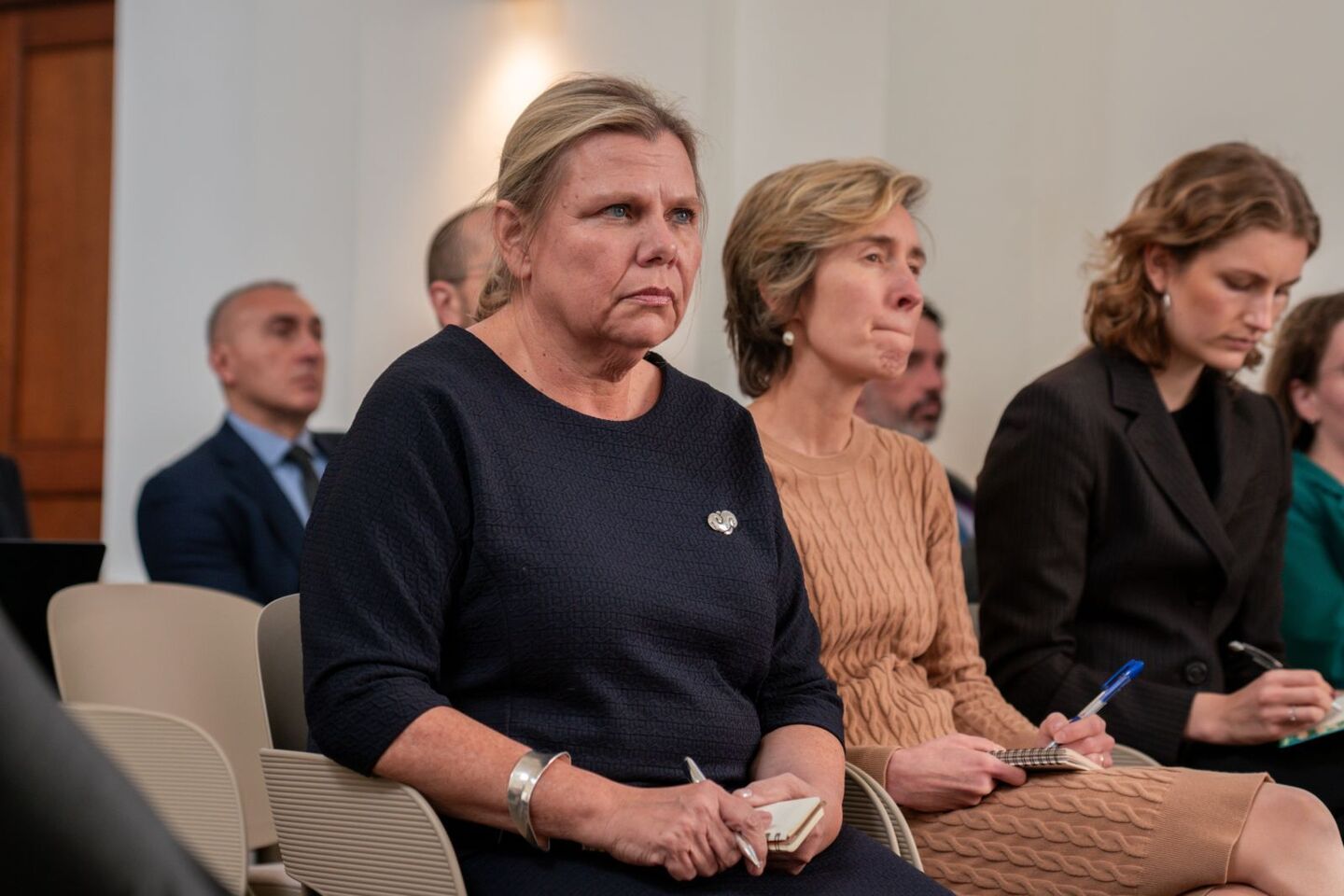
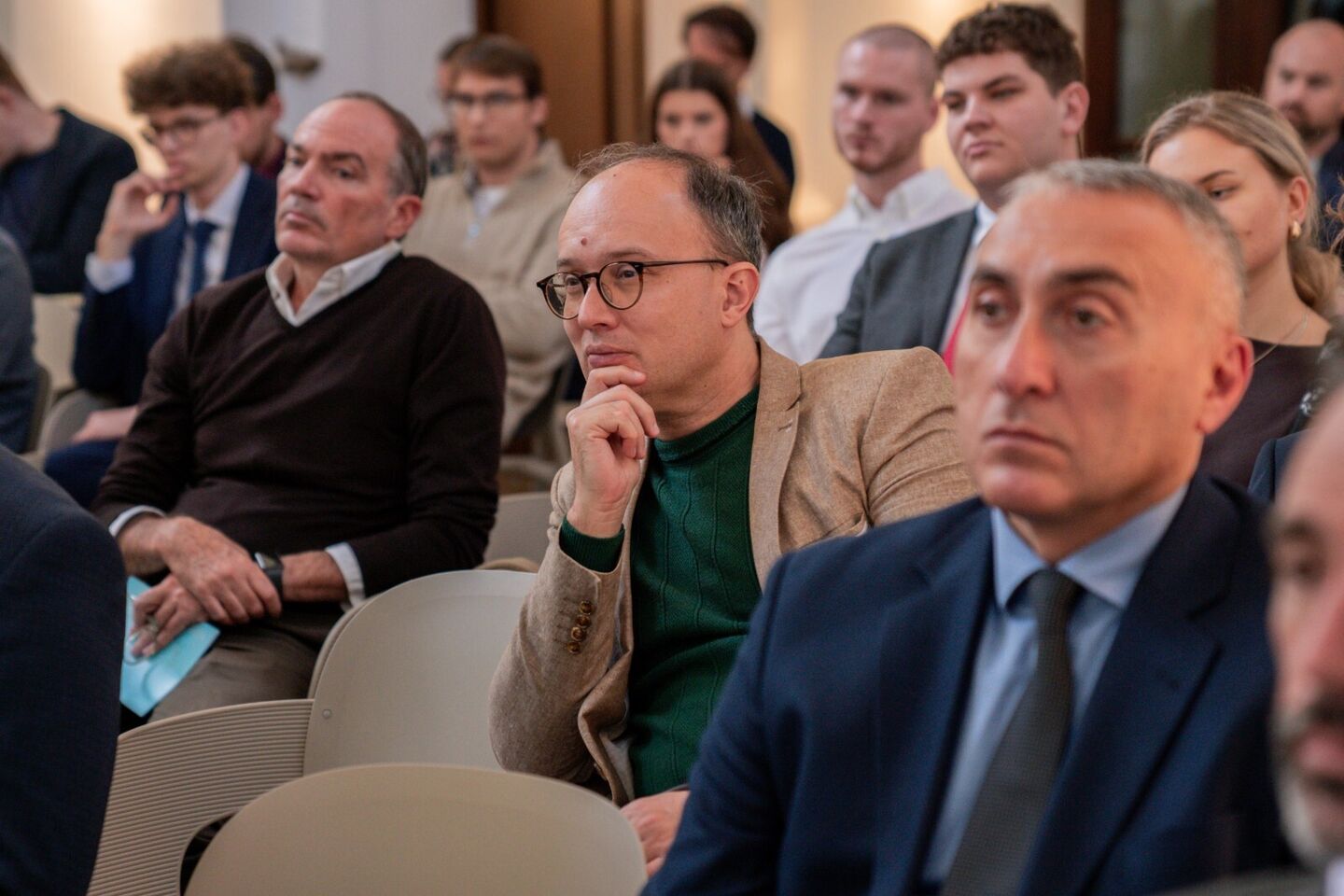
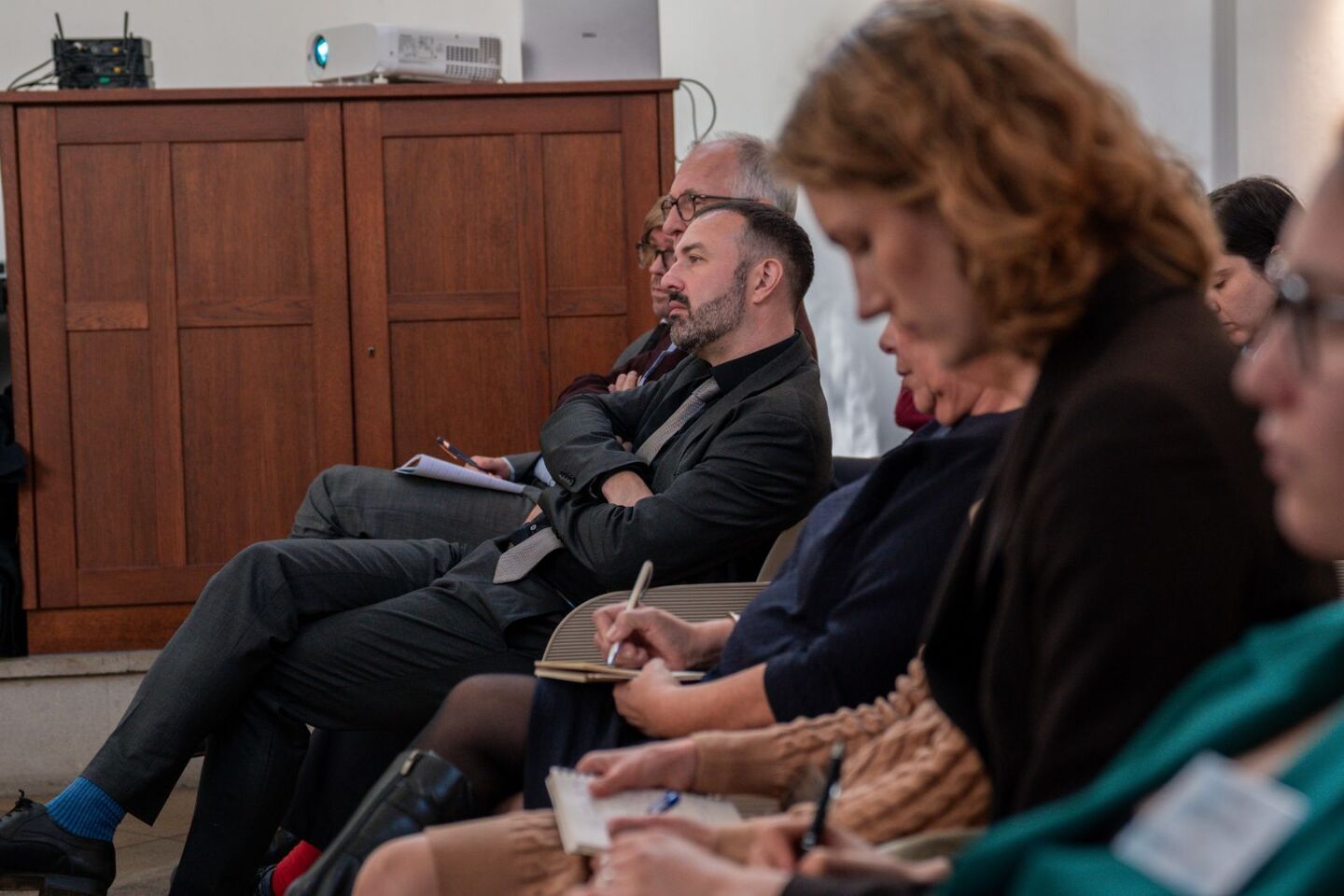
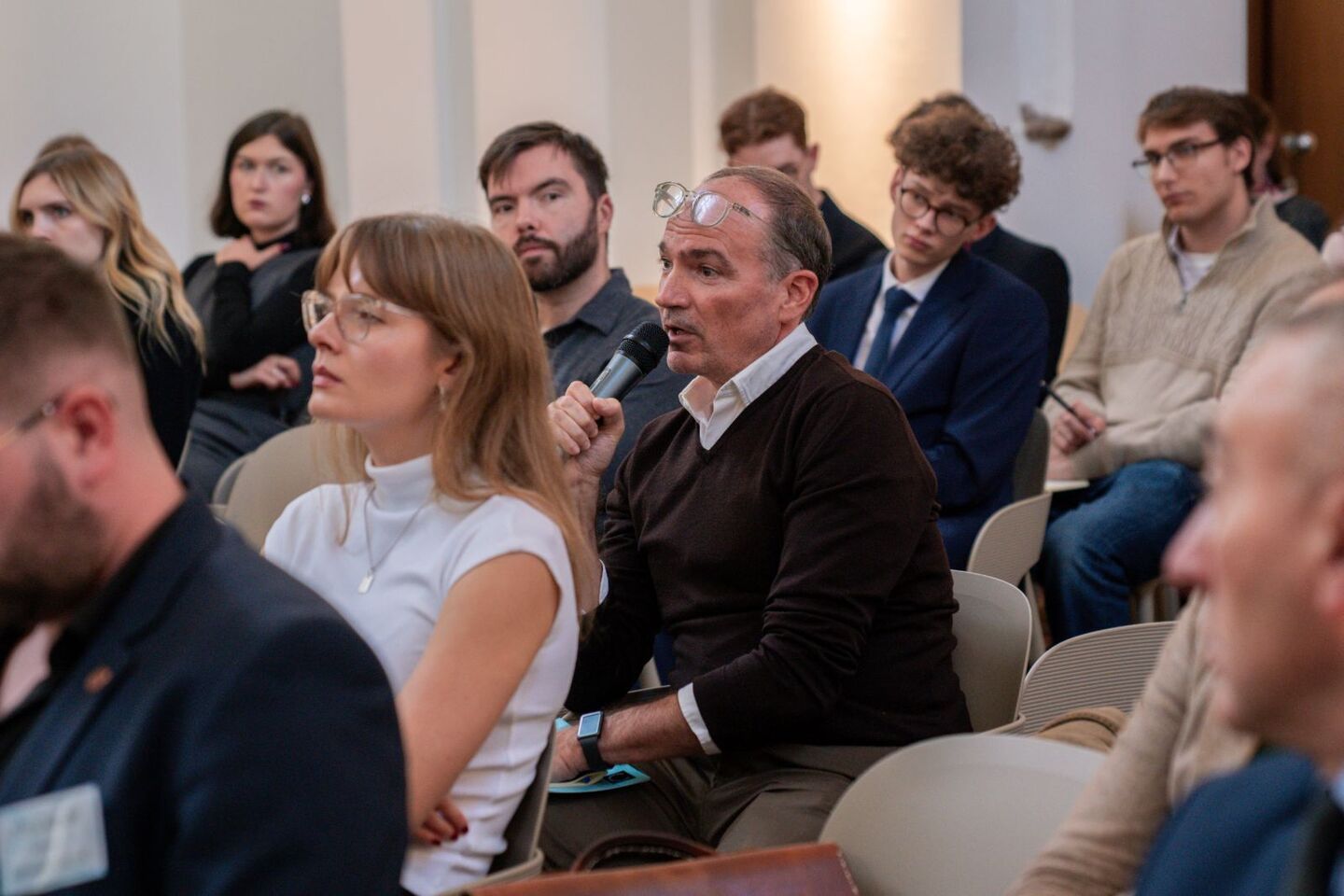
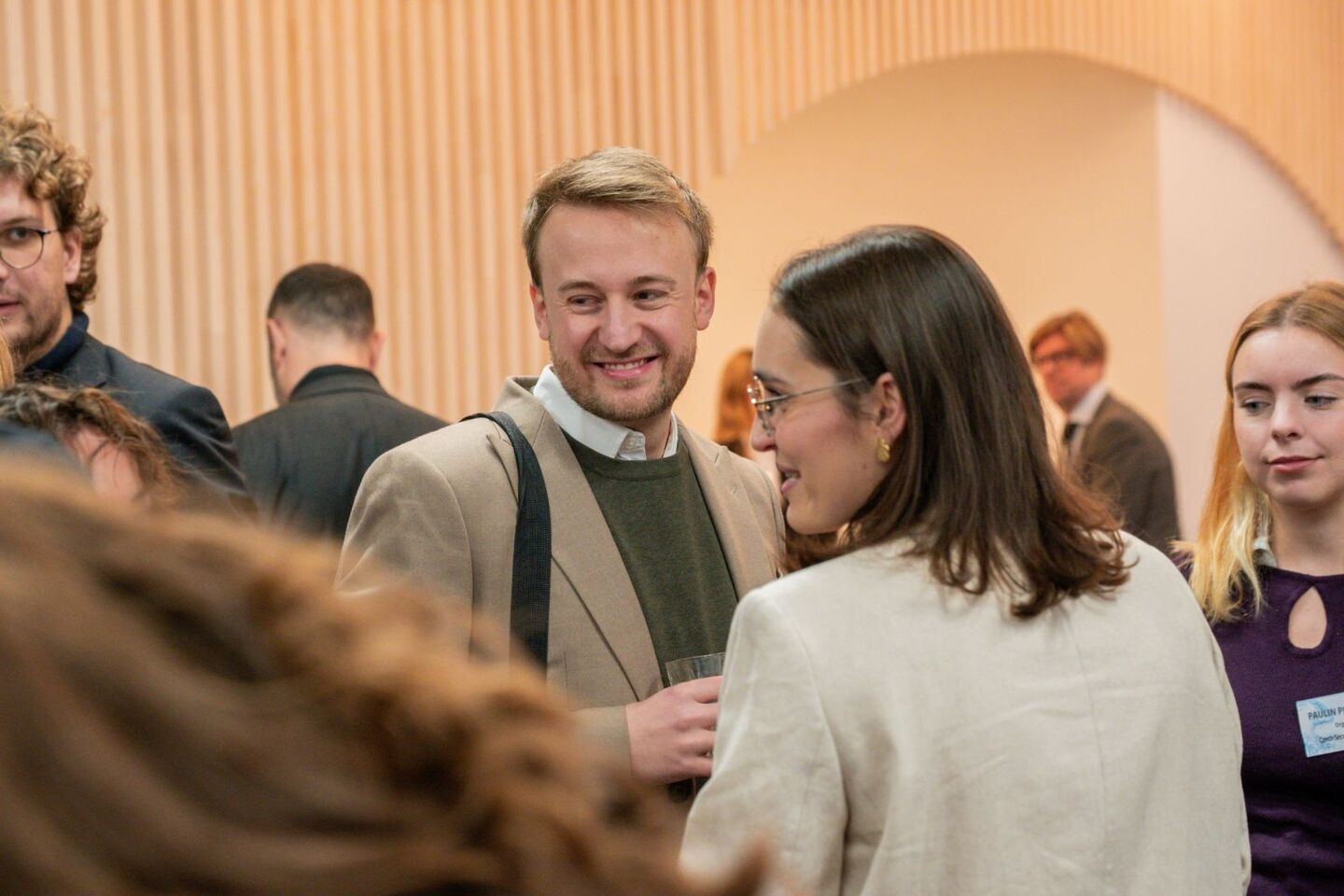
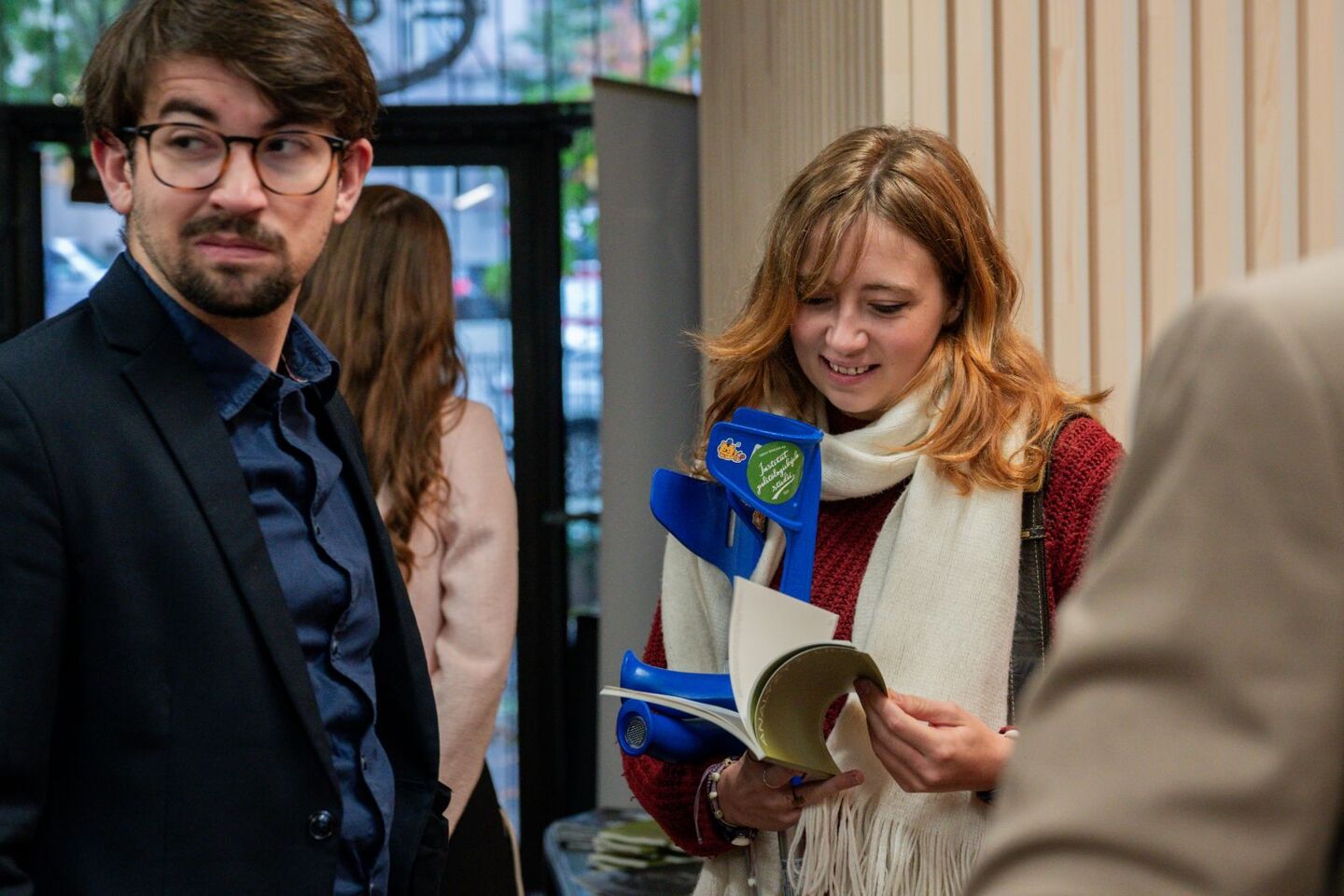
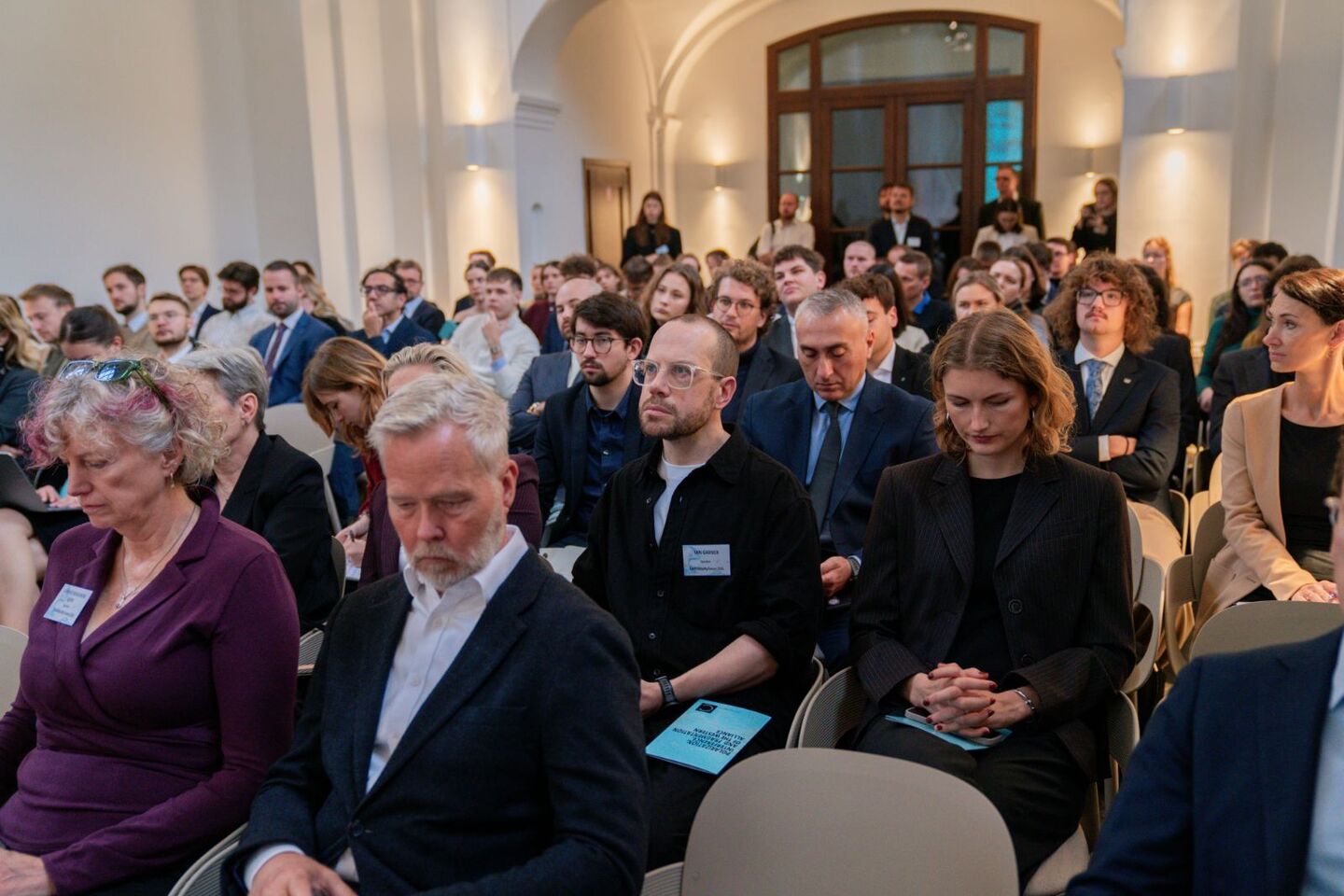
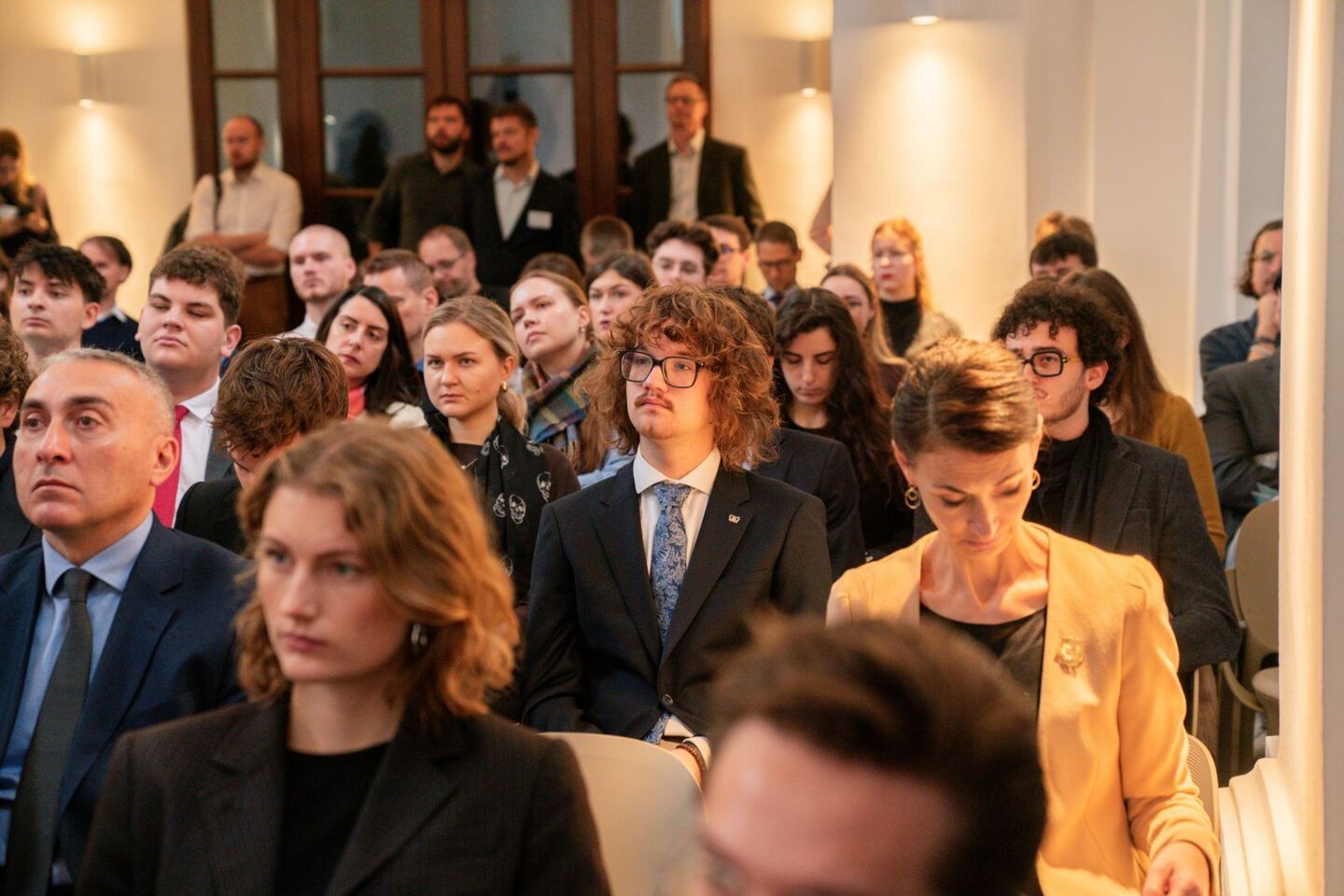
This year’s Czech Security Forum once again confirmed its position as one of the leading security conferences in the region, bringing together leading academics, practitioners, representatives of think tanks, the diplomatic community and public institutions, while providing a space for open debate on some of the most pressing questions facing European and transatlantic security.
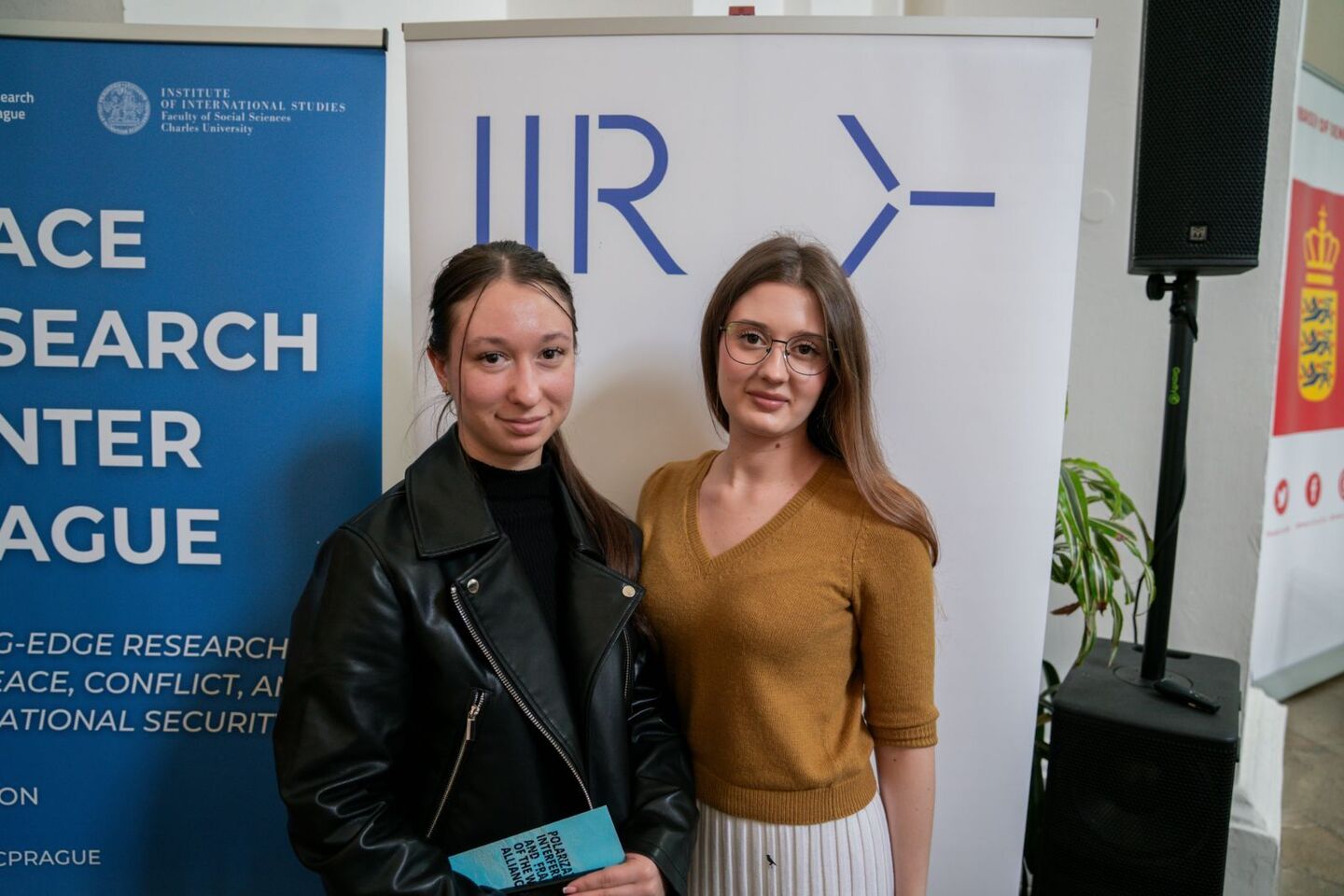
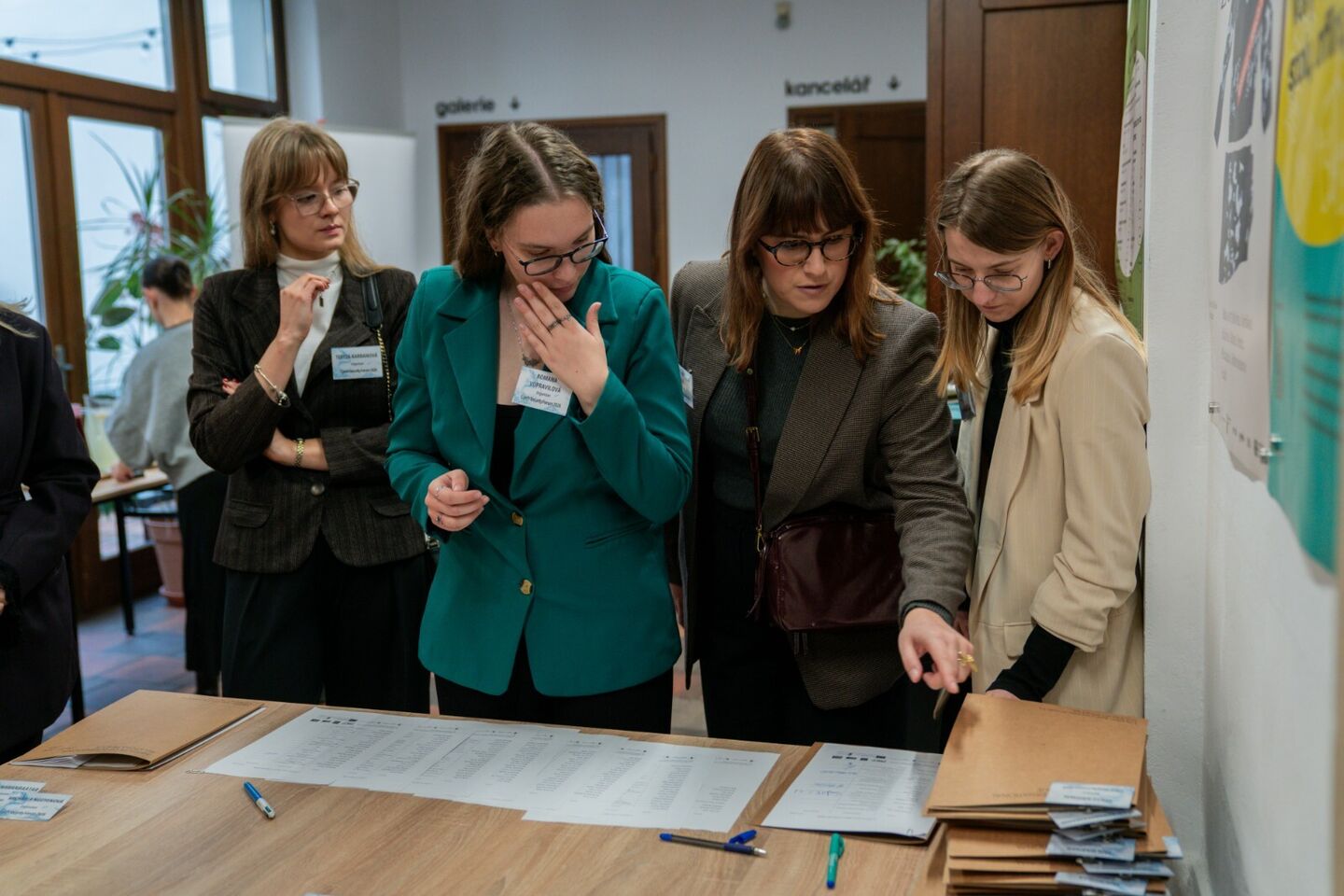
We would like to thank our partners for making this year’s conference possible: the Institute of International Studies at the Faculty of Social Sciences, Charles University; Friedrich-Ebert-Stiftung Prague; the Embassy of the Kingdom of Norway in Prague; and the Embassy of the Kingdom of Denmark in Prague. Our sincere thanks also go to all speakers, moderators and guests, as well as to the organising teams and their interns, whose work contributed to the preparation and successful delivery of the conference.