The Rise of Far-Right Leadership in Chile and Latin America: Regional and Global Effects
paper
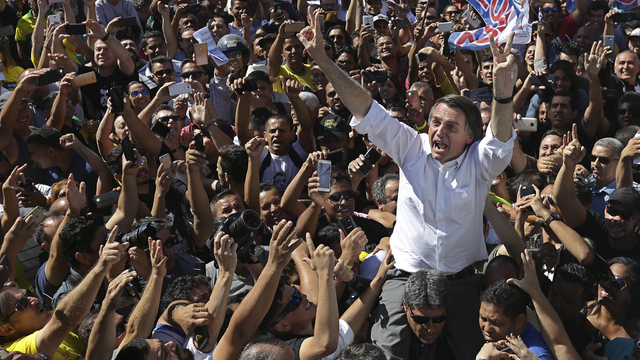
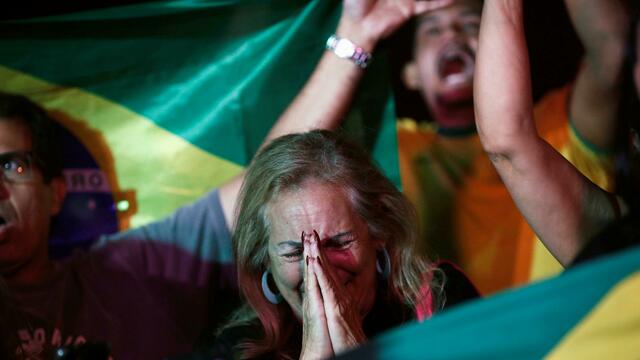
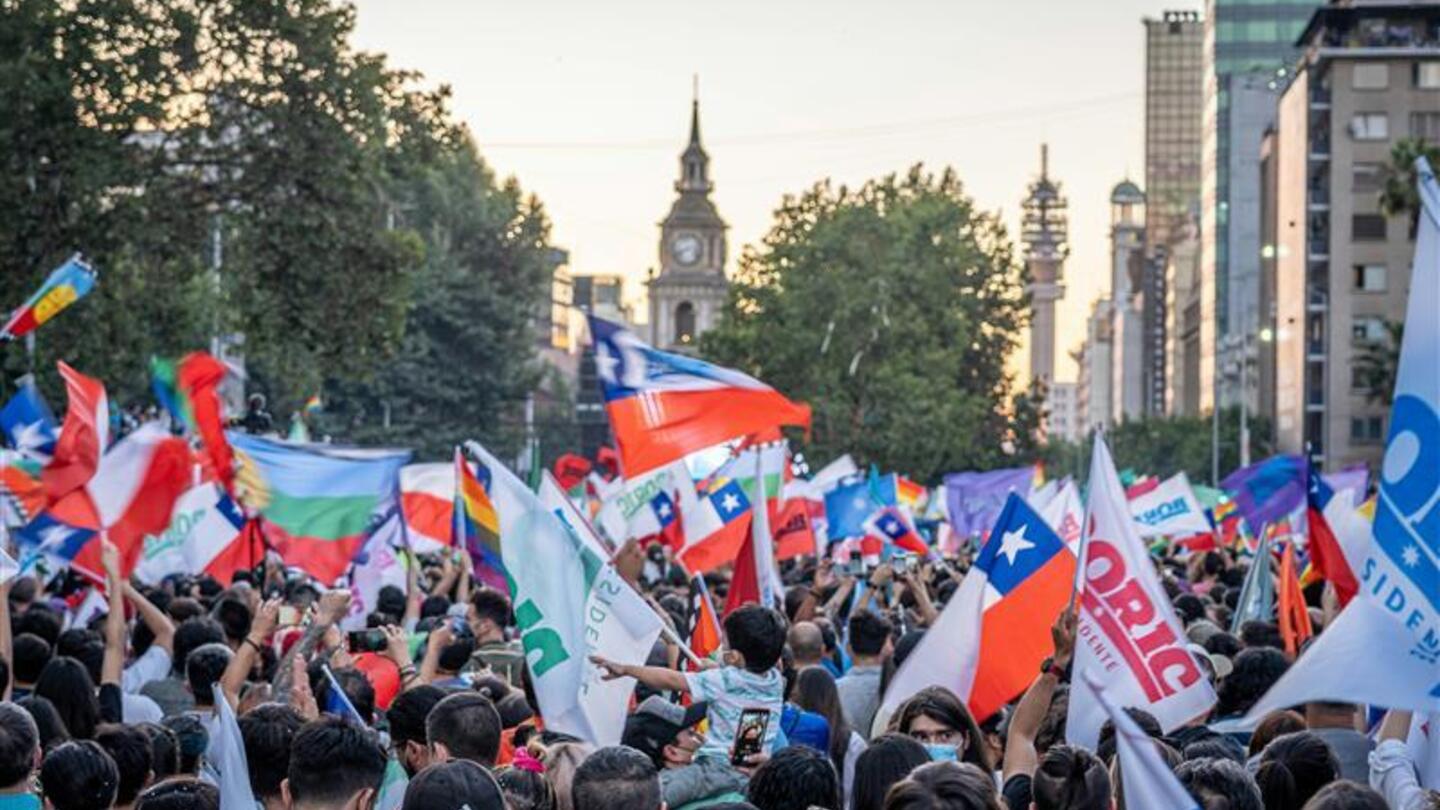
The rise of far-right leadership in Chile raises important questions about the future of its foreign policy and regional dynamics in Latin America. These developments are further explored by Simon Kaack and Leslie Wehner in their new policy paper, which examines the broader regional and global implications of this shift within the context of the IDEoPOP project.
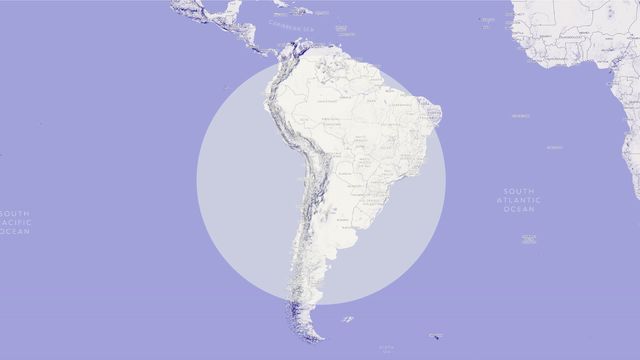
The policy paper places Chile’s political shift into a broader regional and global context and shows that it is not an isolated development, but part of a wider trend of far-right leadership gaining ground across Latin America. It highlights how Chile, traditionally seen as a stable and pragmatic actor committed to multilateralism, international law and open trade, may begin to move towards a more ideologically driven foreign policy. This shift could reshape regional cooperation and weaken the ability of Latin American countries to address shared challenges together.
The authors offer analysis of the geopolitical context, especially the intensifying competition between the United States and China. Chile has long balanced strong economic ties with China with its partnerships in the West, yet this position may become more difficult to maintain as new political priorities emerge. It also outlines what this could mean for Europe, where economic cooperation is likely to continue, but political tensions may gradually increase.
Interested in how these changes could reshape global politics and Europe’s role in the region? Read the full policy paper on our website.