The inequality of EU digital sovereignty: core, periphery, and digital divides in EU politics

How can the European Union strengthen its digital sovereignty without deepening inequalities among its own Member States? In a new article published in the one of the most prestigeous journals on EU affairs, Journal of European Public Policy, Jakub Eberle explores the paradoxes at the heart of the EU's digital sovereignty agenda.
The study investigates the relationship between the European Union's pursuit of digital sovereignty and existing inequalities across Europe. The research examines how EU funding, digital infrastructure, and representation within European business networks and policy debates are distributed across the continent.
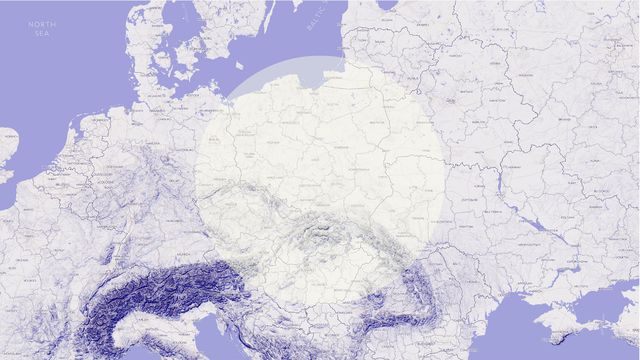
The findings reveal an important paradox. While the EU's digital sovereignty agenda seeks to make Europe more secure, competitive, and technologically independent from external powers, some of the very initiatives designed to achieve these goals may also reinforce digital divides within the Union. The analysis indicates that Central and Eastern Europe, in particular, derives comparatively limited benefits from the EU’s current digital sovereignty agenda. As a result, the article argues that current policies risk exacerbating inequalities between Europe's core and peripheral regions, raising important questions about the legitimacy and cohesion of the EU's digital agenda.
Interested in the future of EU digital sovereignty and its implications for European cohesion?
Related articles

paper




paper