Professionalizing research management and new regional cooperation: CEE Institutions met at a congress in Brussels

The first Central and Eastern European Congress for Research Managers and Administrators in Brussels was built on a decade of V4 cooperation. The gathering brought together nearly a hundred and set a new foundation for research management across the region. Petr Burda, who heads the Project Department at the Institute of International Relations, took part in the meeting.
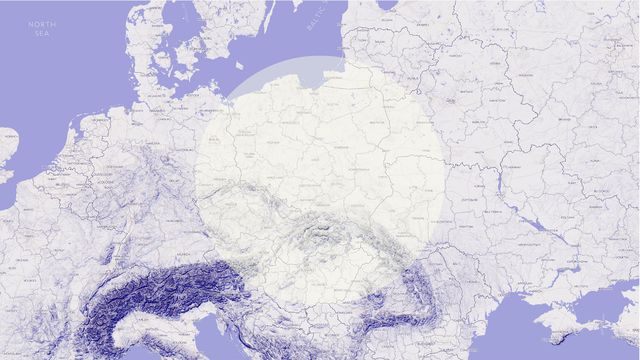
The congress took place on 4–5 November 2025 at Arts56 in Brussels and built on the long-standing tradition of joint training activities among institutions from the Visegrad countries. It transformed an existing network into a broader regional platform. The event was organised by the liaison offices of the European Association of Research Managers and Administrators (EARMA) from Czechia, Hungary, Poland and Slovakia. Its aim was to strengthen the community, open a dialogue with policy-makers and support professional development in the field of research management.
"The meeting clearly showed that project management is a fundamental pillar of the functioning of research institutions and universities. At the same time, it is increasingly integrated into their internal organizational and management structures across the V4 countries. Our joint discussions at the congress revealed that the way to streamline research management in the area of research grants is to fully establish it in the processes of strategic development and management of institutions. Among other things, this requires the comprehensive development of these positions, not only at the level of professional education in management, but also in the field of research itself. We need to better understand the topics being researched and the functioning of science as such," explained project manager Petr Burda, who represented the Institute of International Relations at the meeting.
In her opening keynote, grant adviser Virág Zsár highlighted that the quality of scientific outputs is closely linked to the professionalism of research management. Clearly defined roles, competence frameworks and robust institutional support enable effective project delivery as well as strategic planning. Anna Seip from the European Commission then presented tools within the European Research Area aimed at strengthening capacities in the Member States. The subsequent panel discussion showed that the professionalisation of research management is no longer an abstract concept, but is becoming an integral part of concrete decision-making processes at both national and institutional levels.
The programme of the congress followed the main stages of the research project lifecycle – from developing soft skills and supporting emerging talent in the early phases, through designing high-quality and realistic proposals, to strategic budgeting. In the post-award section, experts focused on managing funded projects, risk mitigation and planning for the usability and societal value of research results.
The strength of regional cooperation
A recurring theme was cross-border knowledge exchange. Discussions demonstrated that regional mobility programmes, microgrants and shared services can significantly accelerate cooperation between institutions when they are administratively simple and support long-term relationship building. The essential role of institutional leadership was repeatedly underlined, as it directly shapes the environment in which research managers operate.
One of the most engaging topics was artificial intelligence. Participants discussed the need for clear problem definition when introducing AI tools, the establishment of ethical standards and the importance of continuous training. Similar principles emerged in debates on digital collaboration tools, where the focus was on finding ways to use technology effectively without complicating everyday workflows.
One of the strongest messages of the congress was a resonant metaphor: research managers are the “unicorns” of the research and innovation ecosystem, capable of transforming ideas into fundable proposals and project results into long-term benefits. In its closing session, EARMA presented a roadmap for the development of the profession at system, organisational and individual levels. The two intensive days concluded with knowledge sharing and, above all, represented an important step towards the formation of a stronger and more confident research management community across Central and Eastern Europe.
Related articles


paper

Chinese narratives and foreign policy at wartime: IIR's successful projects in the GA ČR competition