New Study Examines Syria’s Post-Assad Transition and the EU’s Role
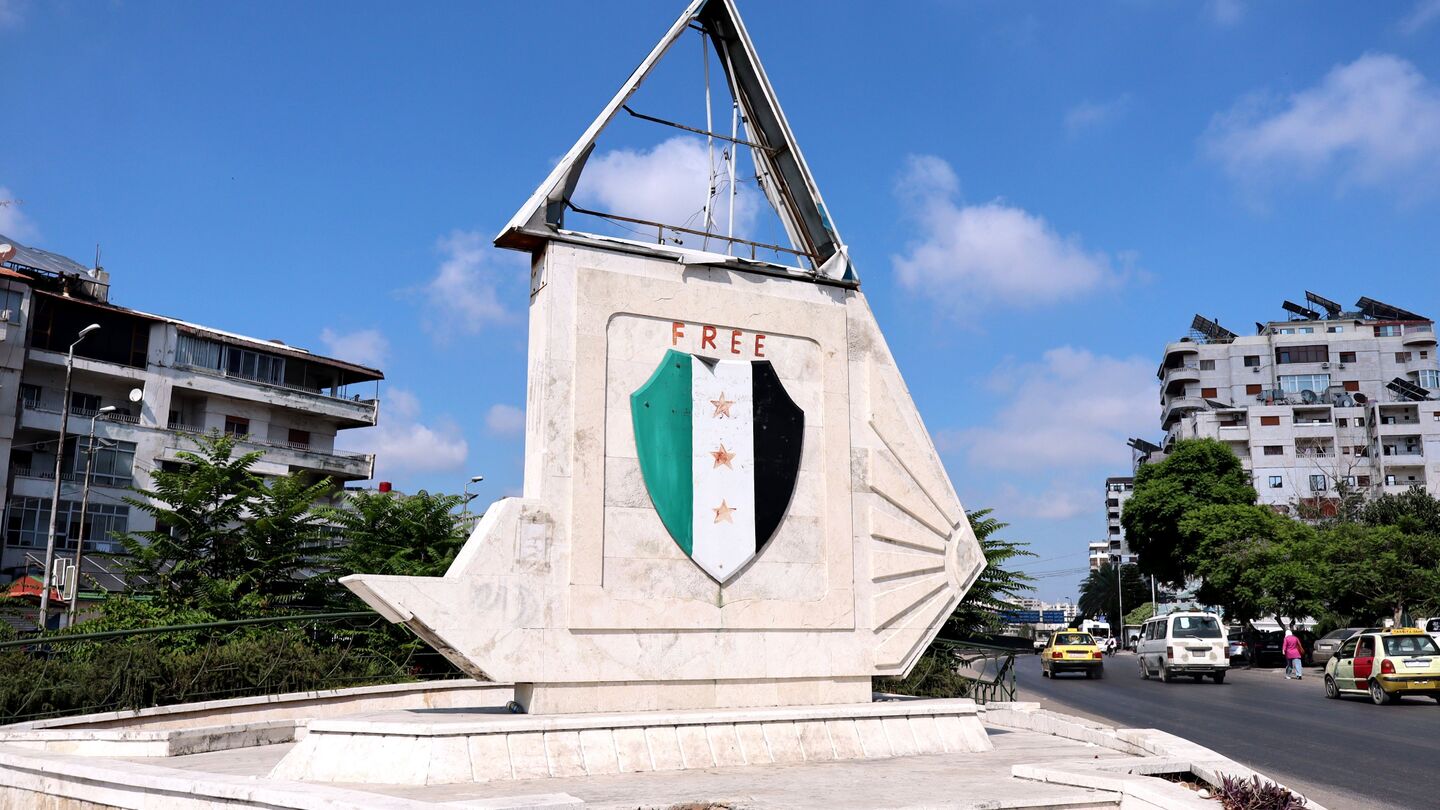
The fall of Bashar al-Assad’s regime in December 2024 opened a new chapter for Syria, raising fundamental questions about the country’s political future, regional stability and the role of international actors, including the European Union. A new study commissioned by the European Parliament and prepared within a project coordinated by the Trans European Policy Studies Association (TEPSA) examines Syria’s emerging political order, possible paths for its further development and the policy options available to the EU.
The study was led by our researcher Jan Daniel and co-authored by Anna Filippi, Clément Steuer and Filip Sommer, drawing on interviews, fieldwork and policy analysis to examine the political, economic and security dynamics shaping Syria after the fall of the Assad regime. Jan Daniel presented its findings to the European Parliament’s Committee on Foreign Affairs, where he discussed the challenges facing Syria’s transitional authorities as well as the role external actors are playing in the country’s transformation. The study looks beyond formal political arrangements to consider how questions of governance, economic recovery, minority protection, social cohesion and relations between different communities may shape Syria’s longer-term stability.
Rather than offering a single prediction of what comes next, the authors develop three possible scenarios for Syria over the next 12 to 24 months:
- state consolidation,
- authoritarian stabilisation and
- renewed territorial fragmentation.
They examine what could move the country towards each of these paths and what this would mean for European policy. Particular attention is paid to the leverage the EU still has at a time when Türkiye, the Gulf states and other regional actors are expanding their influence.
What role can European assistance, support for civil society and stronger institutions play? And how can the EU respond to a political order that is still taking shape? The study explores these questions and sets out concrete recommendations for the European Parliament on how the EU can engage with Syria during this uncertain phase of its transition. Download the full study in the attachment above or read it on the European Parliament’s website here.
Související články