Geopolitical Futures of Eastern Europe and the Western Balkans towards 2035

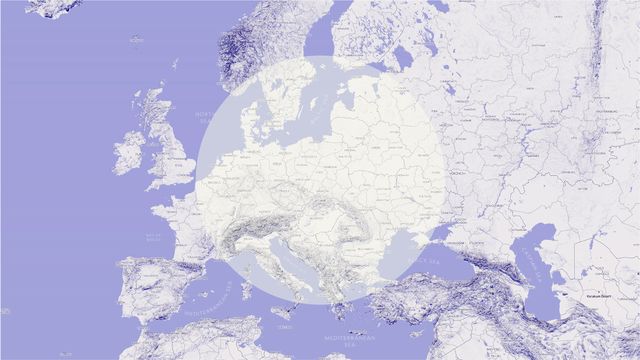
In the framework of the RE-ENGAGE project, researchers Jan Daniel, Asya Metodieva and Matúš Halás examine how Eastern Europe and the Western Balkans may evolve by 2035. Both regions face a future marked by ongoing war, growing geopolitical rivalry and looming uncertainty about the future of European integration and both regions are directly affected by Russia’s war against Ukraine, shifting US engagement, and intensified competition between democratic and authoritarian powers.
The two working papers emphasise the interaction between domestic political developments and external geopolitical pressures, particularly the role of major powers such as the EU, the United States, Russia, China, and Turkey. In both regions, the authors identify persistent democratic backsliding, hybrid regimes, and societal polarisation as key internal challenges.
Pathways to the East, Pathways to the West: Four Scenarios of Eastern Europe in 2035
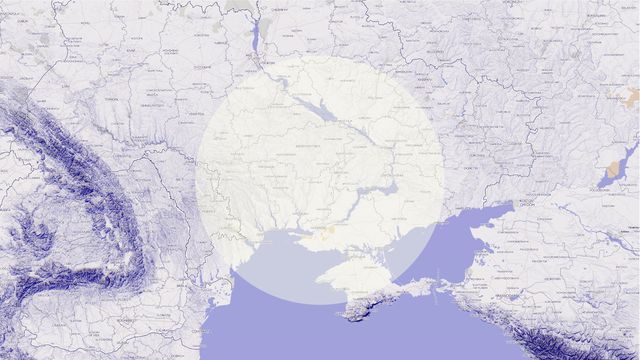
Working paper, focusing on Ukraine, Moldova, and Georgia, explores the future of Eastern Europe, through four scenarios – Going West, Going East, Wavering, and Resisting. The authors, Matúš Halás and Jan Daniel, analyse how internal regime contestation intersects with geopolitical competition between Russia and China on the one hand, and the EU and NATO on the other.
The paper argues that the future of Eastern Europe will hinge not only on great power politics, but on the EU’s willingness to remain engaged and on the capacity of local societies to defend democratic norms under pressure.
Fractured, Integrated, at War? Five Scenarios for the Geopolitical Futures of the Western Balkans in 2035
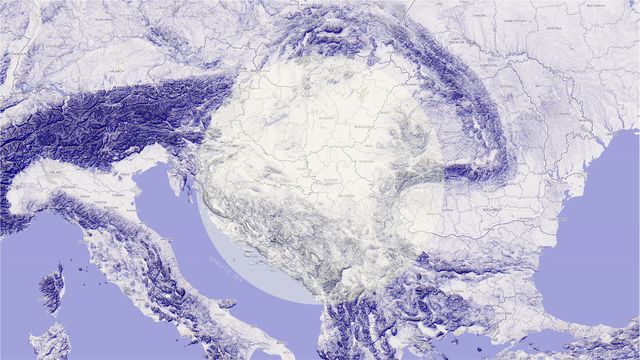
The second paper examines five possible geopolitical futures for the Western Balkans: a post-American regional order marked by weakened security guarantees, a phase of intensified Russian hostility and destabilisation, a gradual disengagement of both Russia and China creating space for EU influence, a global authoritarian turn reinforcing hybrid regimes, and a renewed push for democratisation supported by stronger European engagement.
The paper, authored by Asya Metodieva and Jan Daniel, shows how reduced US engagement, growing Russian pressure, and pragmatic Chinese and Turkish involvement could reshape the Western Balkans. It warns that the EU’s focus on short-term stability risks entrenching stabilitocracy and enabling authoritarian influence. At the same time, it points to opportunities for democratic renewal driven by civil society, provided the EU adopts a more consistent and value-based approach.
The two working papers were published within the RE-ENGAGE project (Re-Engaging with Neighbours in a State of War and Geopolitical Tensions), funded by the EU’s Horizon Europe programme.
Související články